
















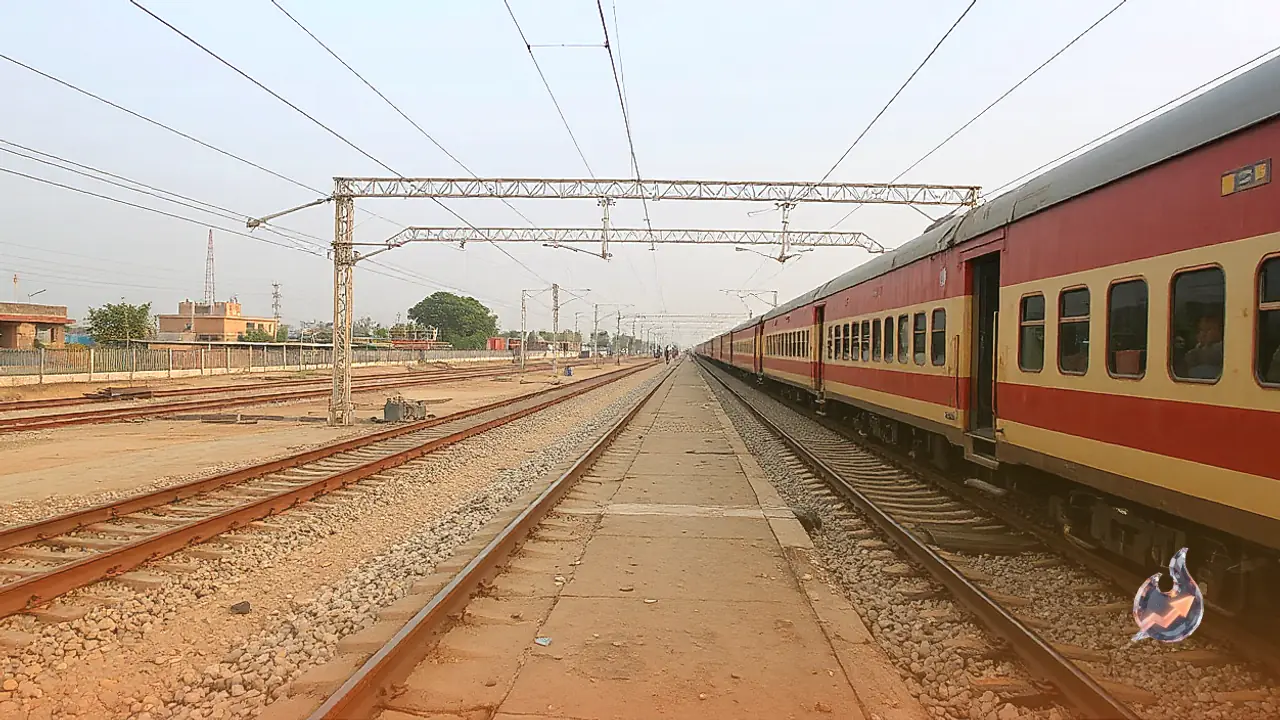

The rapid rail corridor from Kanpur to Ayodhya is planned to be constructed in two distinct phases. The initial phase will connect Kanpur to Lucknow, while the subsequent phase will extend the rail network from Lucknow to Ayodhya. Survey work for the segment between Lucknow and Kanpur has already commenced to map out the exact route.
Phased Development of the Corridor
Once the preliminary survey concludes, a detailed project report will be prepared and submitted to the government for formal approval. This upcoming infrastructure initiative is designed not just to link three major urban centers, but also to strengthen regional connectivity across surrounding districts and towns.
The Kanpur to Lucknow Stretch
The first section stretching between Lucknow and Kanpur will span approximately 72 kilometers in length. The rail track will originate at Nayaganj in Kanpur and pass through Ganga Baraj, Magarwara, Unnao, Ajgain, Jaitipur, Banthara, and Nawabganj before terminating at Amausi Airport. Planners intend to integrate the rapid rail stations with local metro networks in both Lucknow and Kanpur, ensuring seamless transit for commuters traveling to different parts of these cities.
Expanding Regional Reach
The launch of the rapid rail link will directly benefit districts such as Unnao and Barabanki. Multiple areas in Unnao will gain direct connectivity, while localities around Barabanki along the Lucknow-Ayodhya route will also be linked to the rapid transit grid. The Uttar Pradesh government aims to develop a State Capital Region modeled after the National Capital Region, utilizing fast transportation links to spur regional integration.
The Lucknow to Ayodhya Section
The second phase covering the route from Lucknow to Ayodhya is estimated to be around 127 kilometers long. This leg will begin at Amausi Airport in Lucknow and traverse through Sushant Golf City, Juggaur, Badel, Safdarjung, and Bhiteriya to reach Ayodhya Dham. Completion of this extensive track will greatly improve travel efficiency for passengers heading from eastern districts like Gorakhpur and Basti toward Lucknow and Kanpur.
Building the rail link between Ayodhya and Kanpur will also require the construction of a dedicated bridge across the Ganga River. The entire network will feature roughly 12 stations, equipped with robust local transport connections to neighboring areas. At present, traveling between Ayodhya and Kanpur takes between 6 to 7 hours by existing modes, but the rapid rail system is expected to slash this journey time to a mere 90 minutes.
The construction of the rapid transit network entails a substantial financial investment. Estimates suggest that building the link between Kanpur and Lucknow could require an expenditure of approximately 32,000 crore rupees, though the final cost will only be confirmed once the detailed project report is finalized. Daily commuters traveling between Kanpur, Unnao, and Lucknow will gain a fast and reliable daily transit alternative once the project opens.
Modern Amenities and Advanced Technology
Beyond improving travel times, the corridor is expected to stimulate real estate development and commercial activity, thereby generating new employment opportunities across the region. Modeled after the Namo Bharat rapid rail operating between Meerut and Delhi, the Kanpur-Ayodhya trains will incorporate state-of-the-art passenger amenities.
The coaches will feature comfortable seating arrangements, complimentary Wi-Fi, mobile charging ports, and advanced communication systems. Furthermore, modern signaling infrastructure and technical safeguards will be installed to ensure safe train operations during adverse weather conditions such as heavy rain and dense fog.