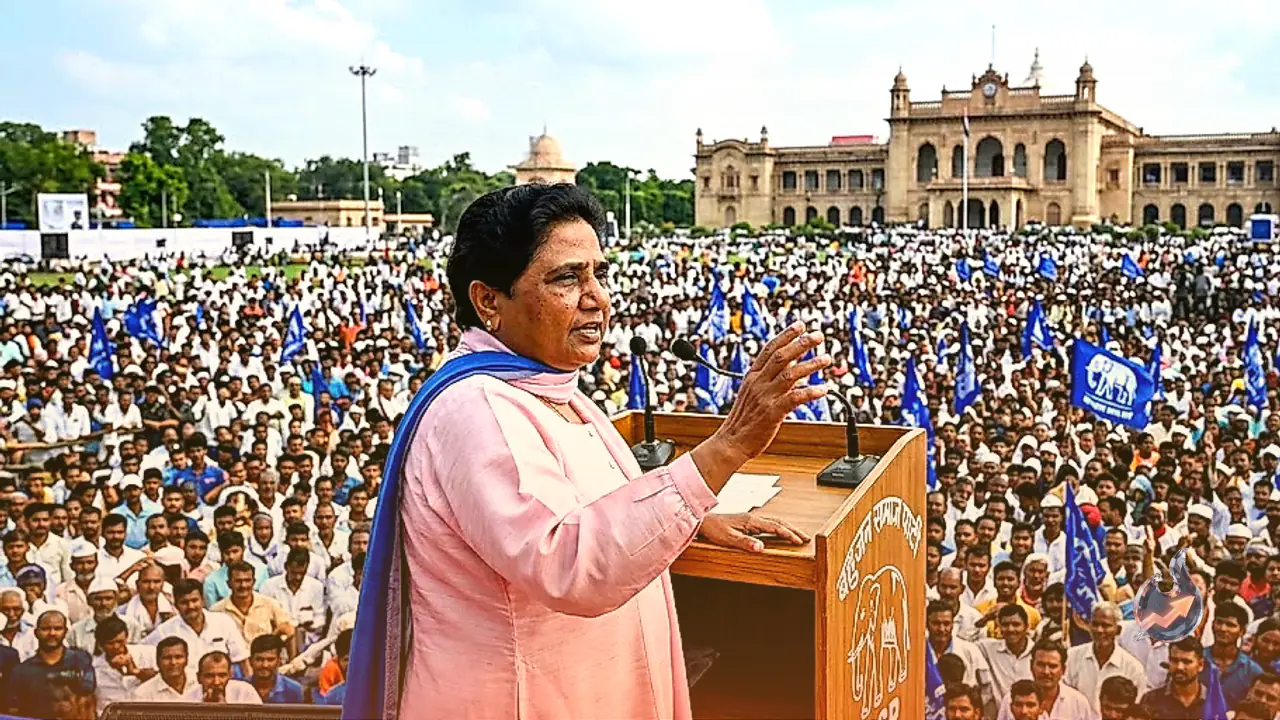






















India has undergone a fundamental transformation in its national security posture, leaving no room for strategic ambiguity. Speaking at a defence conference in New Delhi, Defence Minister Rajnath Singh outlined that modern security threats are no longer restricted to traditional geographical boundaries and are instead expanding continuously. In this evolving security landscape, safeguarding the nation requires completely moving away from outdated mindsets. Rajnath Singh emphasized that while India remains deeply committed to peace, peace negotiated from a position of weakness will never be acceptable. The country has demonstrated over recent years that alongside a readiness for dialogue, it holds both the capacity and the political resolve to take uncompromising decisions whenever required.
Aligning Moral Principles With Hard Military Power
Addressing historical missteps in national defence planning, the Defence Minister pointed out critical vulnerabilities in the security framework adopted after independence. He noted that for an extended period, policymakers operated under the assumption that morality and military power were fundamentally opposed to one another. Strategic policies were consequently drafted on the premise that other nations shared the same commitment to peaceful coexistence as India. However, operational realities on the ground proved starkly different. While soft power undoubtedly expands an international profile and cultural standing, it cannot serve as a substitute for armed forces, conventional weaponry, and military readiness.
A country carries real weight at the diplomatic negotiating table only when supported by undeniable military might. The Defence Minister reiterated that diplomacy conducted without credible strength is inevitably interpreted by the world as an act of compulsion or outright weakness. True peace requires a foundation of power.
Decisive Cross-Border Deterrence and Shifting Doctrine
Clarifying the stance of the current administration, Rajnath Singh stated that India possesses the clarity of argument for dialogue as well as the power necessary to deliver an effective response in whatever language an adversary understands. India is no longer a nation that remains a passive bystander while merely appealing for peace.
Past actions such as the surgical strikes, the Balakot air strikes, and Operation Sindoor serve as concrete illustrations of this proactive strategic approach. These missions established to the world that India will not hesitate to cross borders to deliver decisive blows if core national security interests are jeopardized. This approach does not stem from an expansionist urge to attack others, but rather reflects an unyielding commitment to protect citizens and sovereign borders. Furthermore, India will no longer succumb to nuclear blackmail under any circumstances.
Expanding Multilateral Footprint and Strategic Alliances
Over the past decade, India has engineered new global alignments to support its core strategic interests. This diplomatic momentum has progressed hand in hand with internal initiatives aimed at modernizing the armed forces and expanding indigenous arms manufacturing. Underpinning this strategic rise is India's 7.8% economic growth rate, which provides the economic foundation needed to sustain military modernisation.
Through the Quad, India actively champions a rules-based international order across the Indo-Pacific region. Strategic synergies have also been forged through the I2U2 group alongside Israel, the UAE, and the United States. Concurrently, Indian participation has expanded significantly across major multilateral platforms such as BIMSTEC, BRICS, and the SCO. Through these interconnected efforts, India has emerged as a cornerstone for forging international consensus and resolving global security challenges.