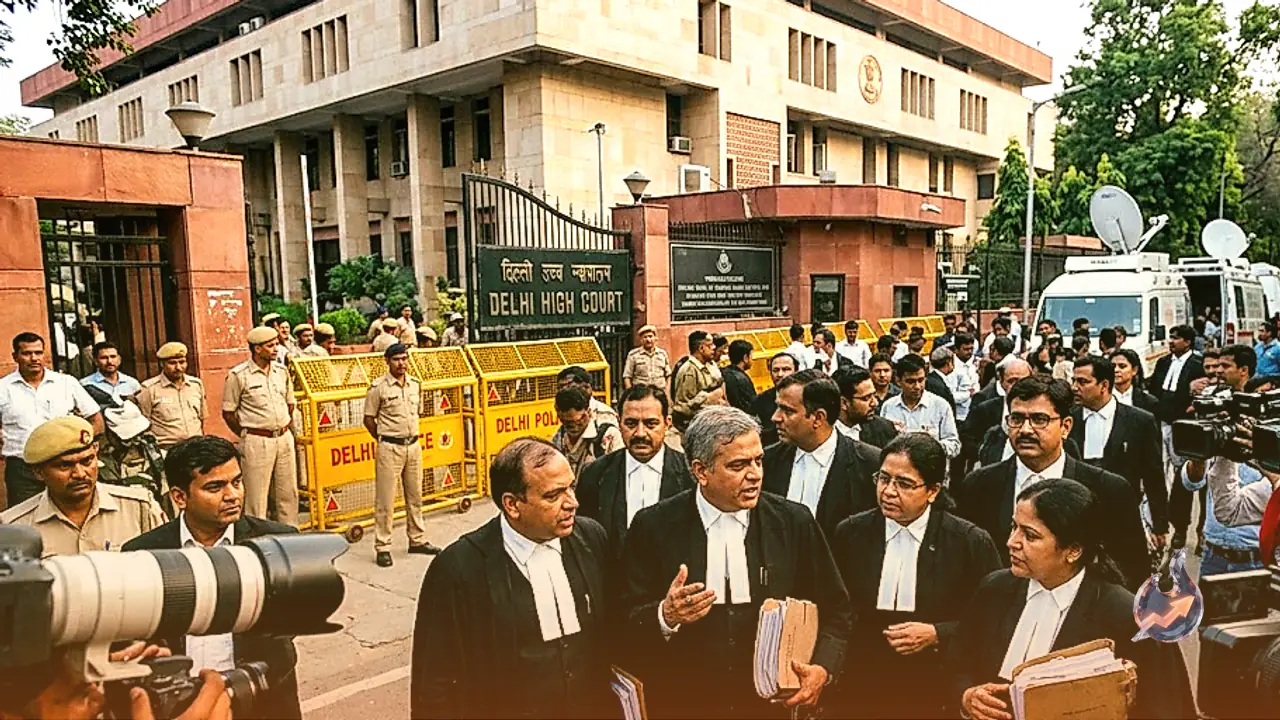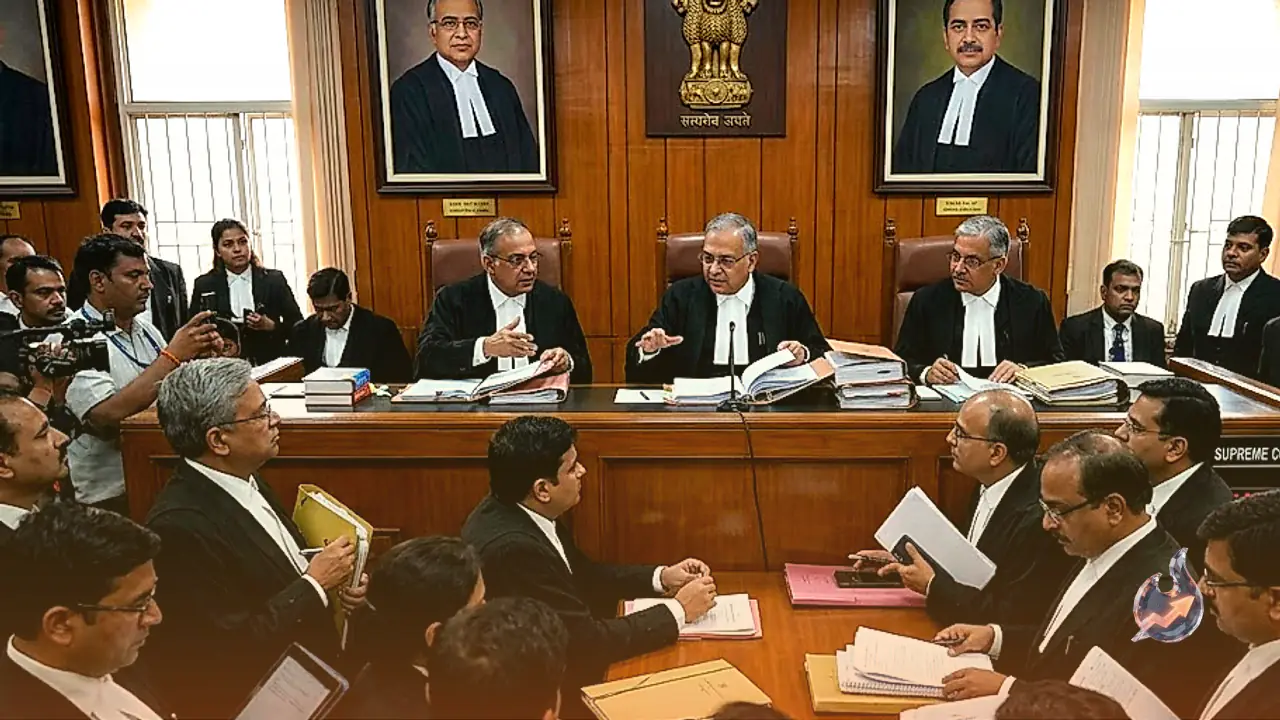
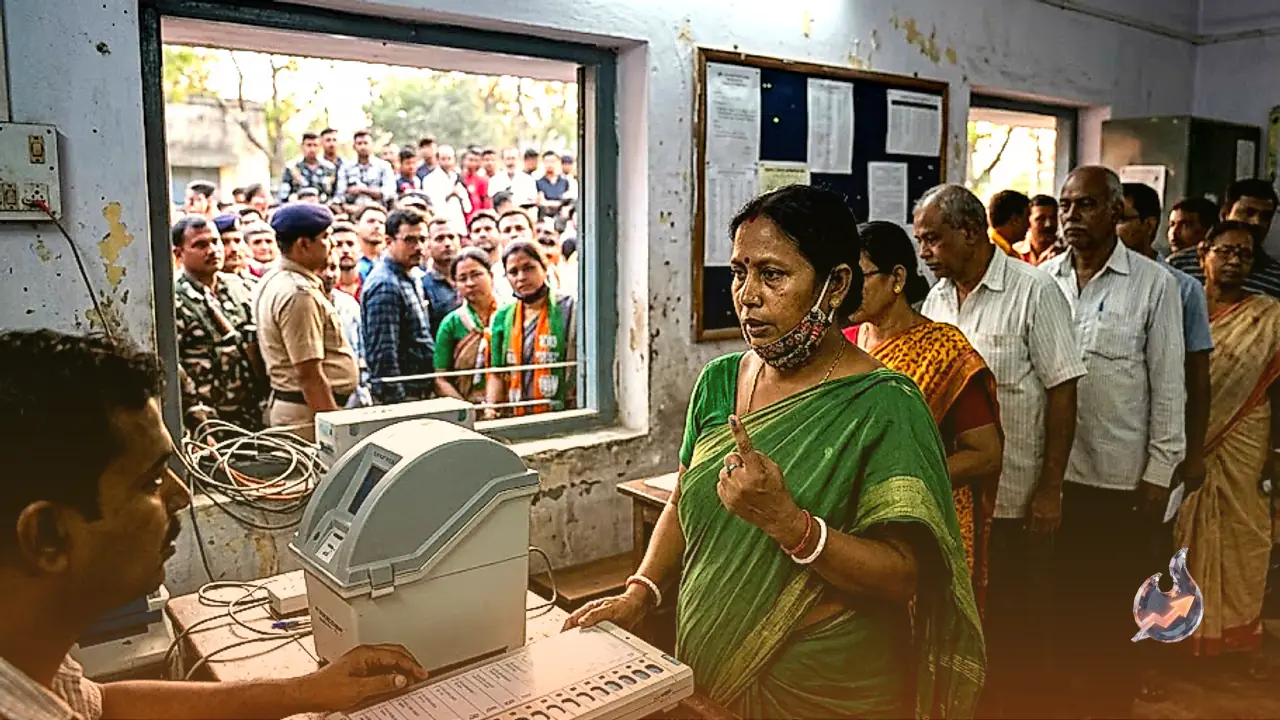





















A sharp political confrontation has emerged around Chief Election Commissioner Gyanesh Kumar as several opposition parties stage unified demonstrations urging him to step down. The political bloc is also preparing to introduce an impeachment motion in Parliament against the election chief. However, India's constitutional and legal architecture shields the head of the election watchdog with strict safeguards. Neither the highest judicial bench nor the opposition benches acting without executive support can unseat a Chief Election Commissioner.
Under established law, removal requires parliamentary impeachment backed by a two-thirds majority of voting lawmakers. With the current balance of parliamentary seats, the opposition cannot push through such a resolution solely on its own strength. Outside of voluntary resignation by the incumbent official, removal remains practically unachievable. This makes his official timeline and the heavy calendar of forthcoming democratic contests the central point of interest.
Tenure Set Through January 2029
The operational tenure of Gyanesh Kumar as Chief Election Commissioner runs up to January 2029. Under normal scheduling, he is slated to demit office barely months before the announcement of the 2029 parliamentary general elections. Should the administration grant an extension of his term, he would then helm the national parliamentary elections as well. He officially assumed the leadership of the commission on 19 February 2025.
His entry into the poll body followed a distinguished bureaucratic career spanning over 36 years across state administrations and central ministries. He retired from civil service duties in January 2024 and secured appointment as an Election Commissioner less than two months later, merely twenty-four hours before the official schedule for general elections was unveiled. He was subsequently elevated to the position of Chief Election Commissioner in February 2025. Assembly polls across Delhi, Bihar, and West Bengal have already concluded under his administrative direction.
Supervising 22 State Contests and the 2027 Presidential Race
Throughout his remaining tenure, Gyanesh Kumar is scheduled to steer elections across at least 22 legislative assemblies, in addition to managing the 2027 presidential election. These state assembly contests will unfold in phases across multiple administrative years.
State-Wise Timeline Across Coming Years
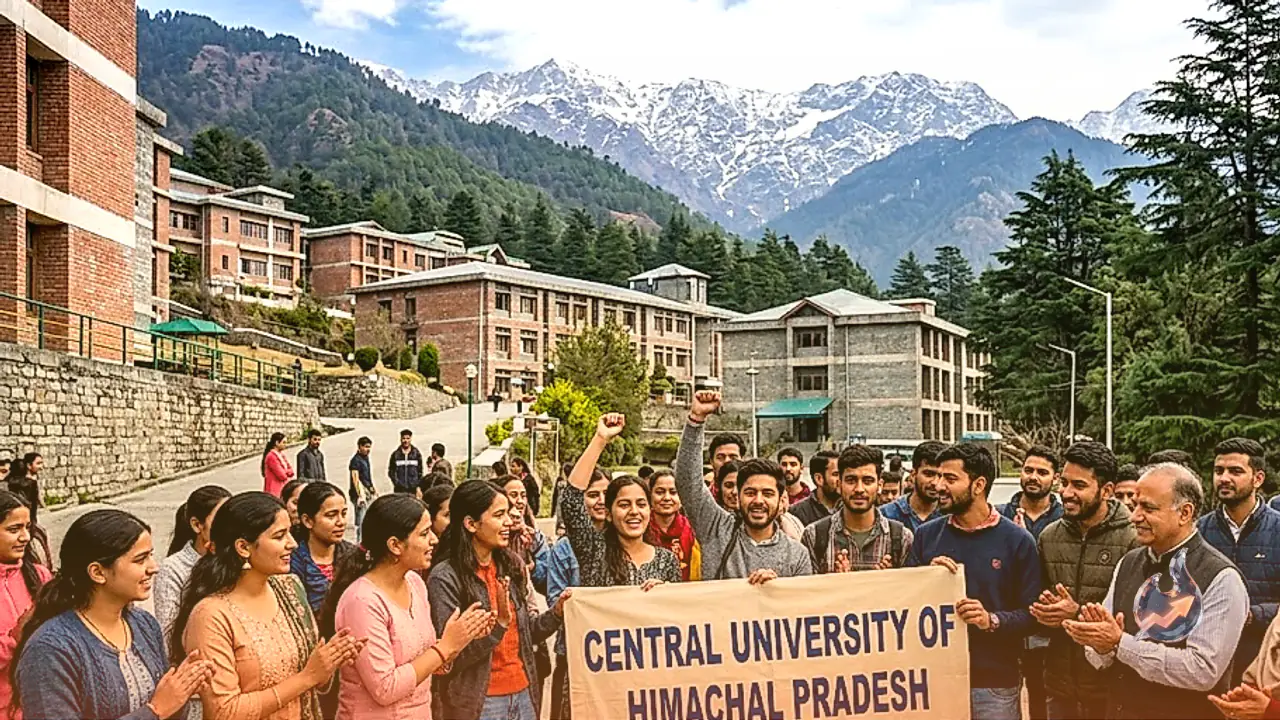
The year 2027 will witness high-stakes democratic battles in seven states. Voters will cast ballots to elect assemblies in Uttar Pradesh, Uttarakhand, Punjab, Goa, Manipur, Gujarat, and Himachal Pradesh.
In 2028, the electoral machinery will need to organize elections across nine diverse states. This phase covers Madhya Pradesh, Rajasthan, Chhattisgarh, Karnataka, Telangana, Tripura, Nagaland, Meghalaya, and Mizoram. Coordinating logistics and security across these states will test the commission's capacity.
During 2029, eight additional territories and states are slated to undergo legislative polls. These include Jammu and Kashmir, Maharashtra, Haryana, Jharkhand, Odisha, Andhra Pradesh, Arunachal Pradesh, and Sikkim.
Long Bureaucratic Record Amid Political Scrutiny
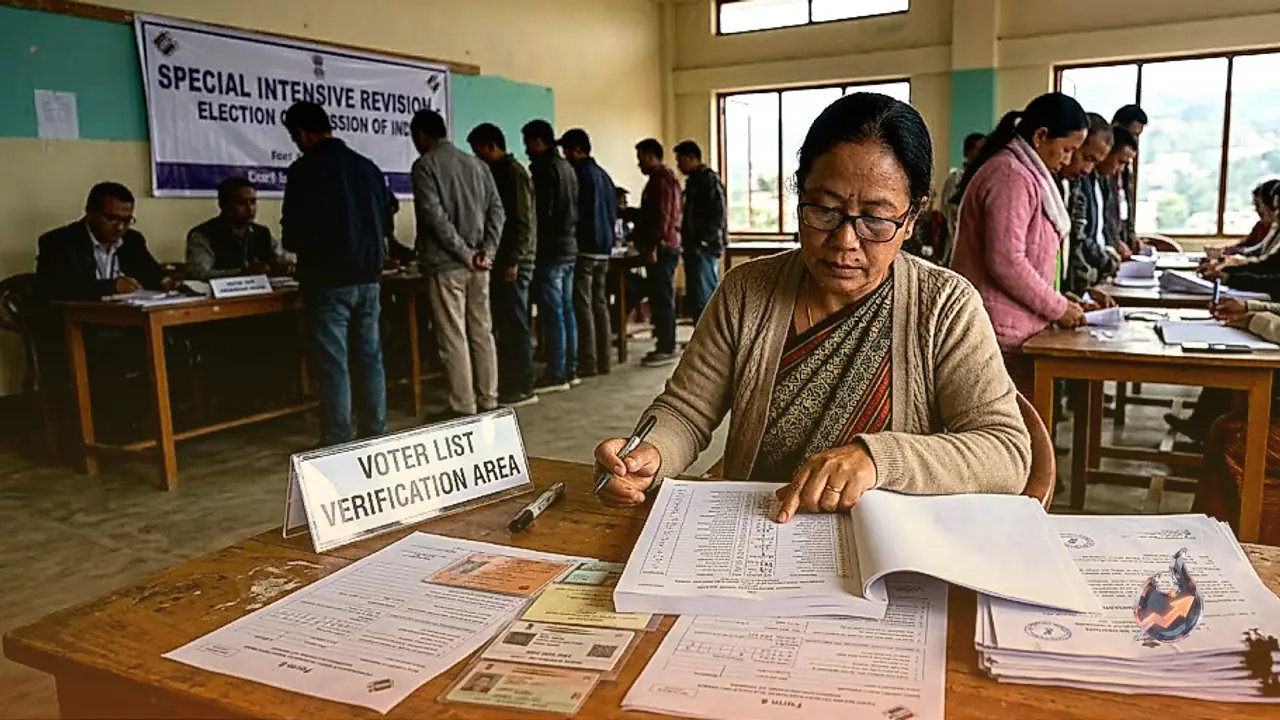
With an extensive career across central and regional administrative departments, Gyanesh Kumar brings decades of administrative experience to his post. The current tensions trace back to contentious debates surrounding the SIR issue, which has triggered friction with opposition groups. Nonetheless, given the arithmetic barrier of two-thirds parliamentary approval required for removal, his tenure through early 2029 remains constitutionally fortified.