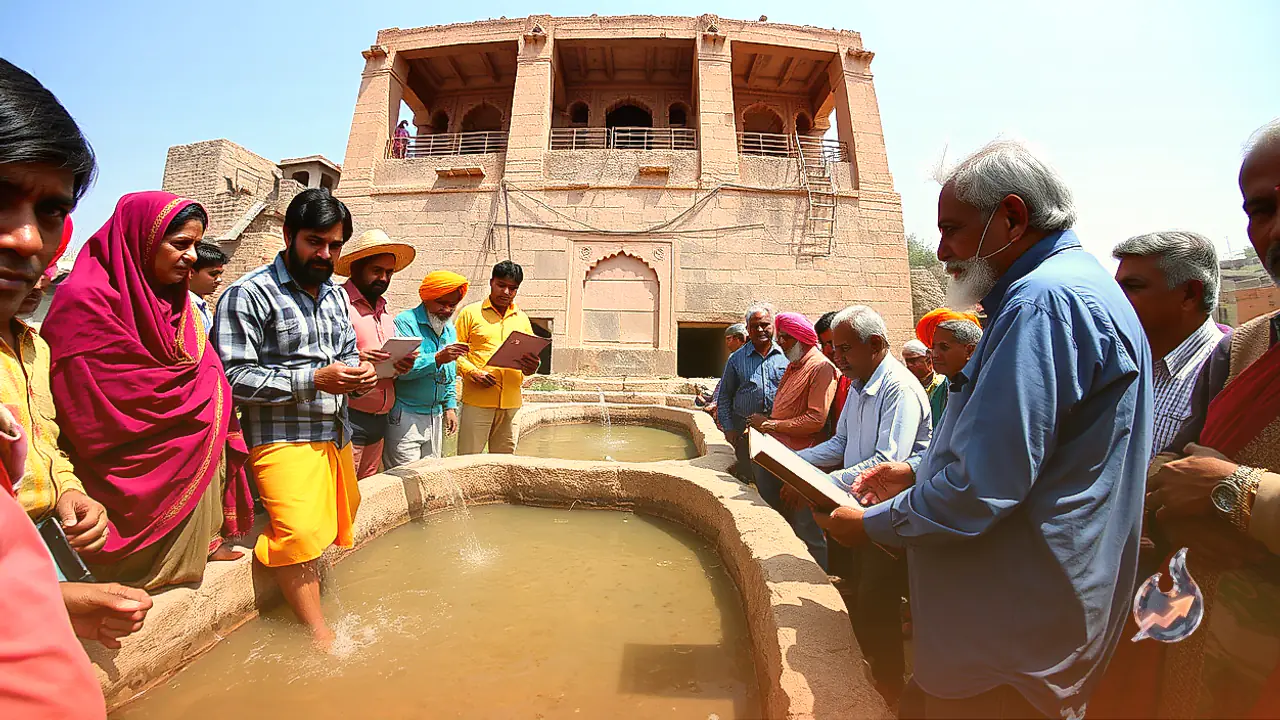























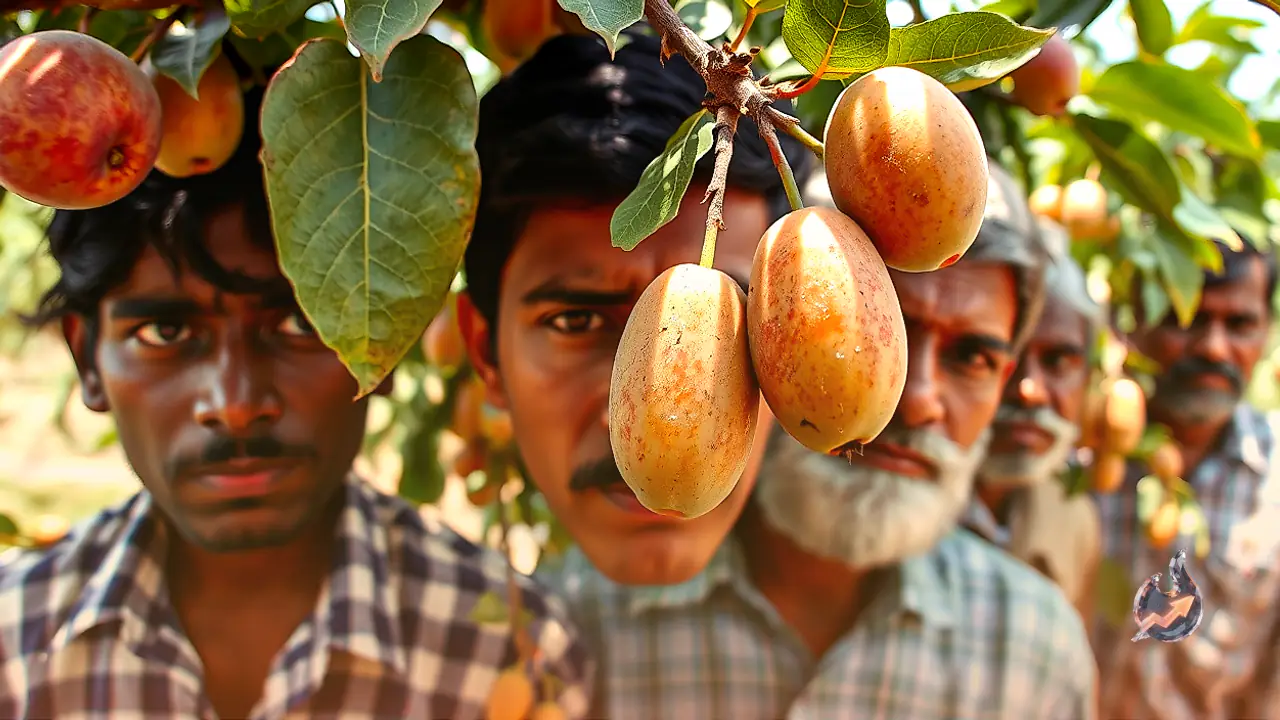

Horticulture farmers in Rajasthan's Bharatpur district are confronting a critical seasonal challenge as plum farming enters an essential phase. The regions of Vair and Bhusawar are widely recognized for extensive commercial plum cultivation, where the produce has earned a solid reputation for its distinct sweetness. At present, the trees in these orchards are entering their flowering cycle, marking the natural starting point for fruit formation. While this phase is vital for securing a healthy harvest, it represents the most delicate window for the crop. Unpredictable weather shifts have heightened concerns among local growers, primarily due to an escalating threat from fruit flies and destructive fungal diseases.
The Critical Vulnerability of the Flowering Stage
Agricultural experts highlight that the flowering period is precisely when crops become most susceptible to aggressive pest incursions. Agriculture department specialist Dr Udaybhan Singh stated that securing an abundant yield demands scientific care and vigilant oversight throughout the season. Among the various risks, the fruit fly stands out as an exceptionally destructive insect capable of targeting soft, emerging fruits in their formative days. The female insect punctures the tender outer peel to deposit eggs beneath the surface.
Once the larvae hatch inside, they feed on the internal pulp, causing the tissue to deteriorate rapidly from within. As a consequence of this internal decay, damaged plums rot prematurely and detach from the branches before they can mature. Concurrently, rapid swings in ambient temperature coupled with excessive soil moisture create an ideal environment for fungal pathogens to establish themselves, potentially devastating entire orchards if left unchecked.
Advisory Issued by Agriculture Authorities
To mitigate the risk of severe financial setbacks for rural growers, the agriculture department has rolled out an official advisory. Officials have urged plum cultivators to perform routine inspections across their groves, monitoring branches, blossoms, and developing fruits with close scrutiny. Should growers observe the earliest signs of pest activity or disease progression, they must seek prompt assistance from local agricultural specialists or departmental staff rather than delaying intervention.
The department has issued clear instructions warning farmers against purchasing and spraying arbitrary agrochemicals without professional guidance. Orchard owners must apply only the officially recommended pesticides and fungicides. Furthermore, the formulation and dosage of chemical sprays must strictly adhere to verified standards, as improper concentrations risk harming the trees and degrading the overall quality of the fruit.
Sanitation and Weed Management in Orchards
Maintaining cleanliness across the orchard floor serves as an indispensable frontline defense against pest proliferation. Technical advisors recommend that farmers collect all fallen, decaying, or infested fruits at regular intervals and destroy them or bury them deep underground. Decomposing matter left lying on the soil acts as the primary breeding ground and shelter for fruit fly larvae and fungal spores.
Simultaneously, growers need to clear away wild grass and stubborn weeds that spring up around the base of the trees. For numerous farming households in Vair and Bhusawar, commercial plum cultivation forms the foundation of their livelihoods and annual income. Practicing disciplined crop management, maintaining sanitary conditions, and acting on expert recommendations during this early developmental window will protect farmers from heavy losses and help preserve their profit margins.