




















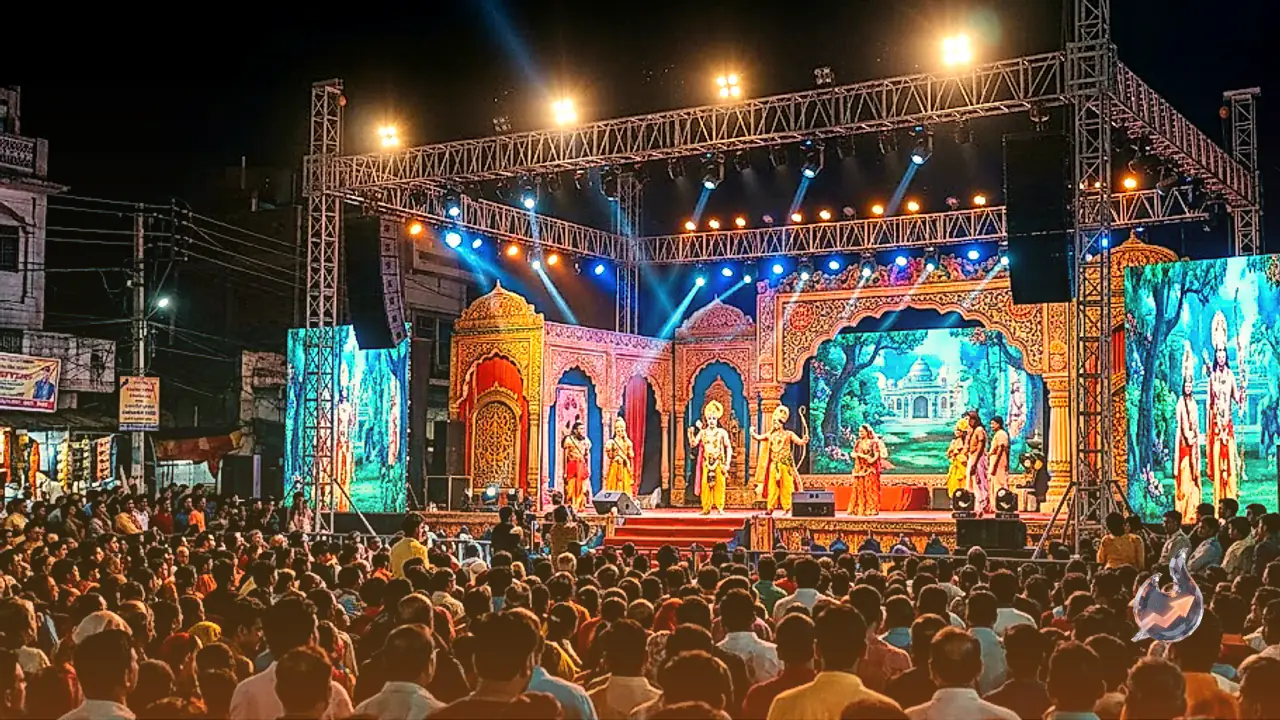

Standing proudly at the Ghantaghar grounds in Ghaziabad, one of the region's oldest theatrical traditions continues to thrive across a remarkable span of 125 years. The Shri Sullamal Ramlila originated in an era when Ghaziabad was merely a modest township confined within four historical entry gates. Beginning on an ordinary roadway near Delhi Gate, this performance has navigated through profound urban transformations to establish its permanent home at the Ghantaghar grounds. Today, beneath towering stage sets, giant LED video walls, and sophisticated lighting rigs, the event maintains the exact devotional purity and cultural reverence that defined its humble beginnings more than a century ago.
The Legacy of Lala Sullamal and the Mandi Ramayana
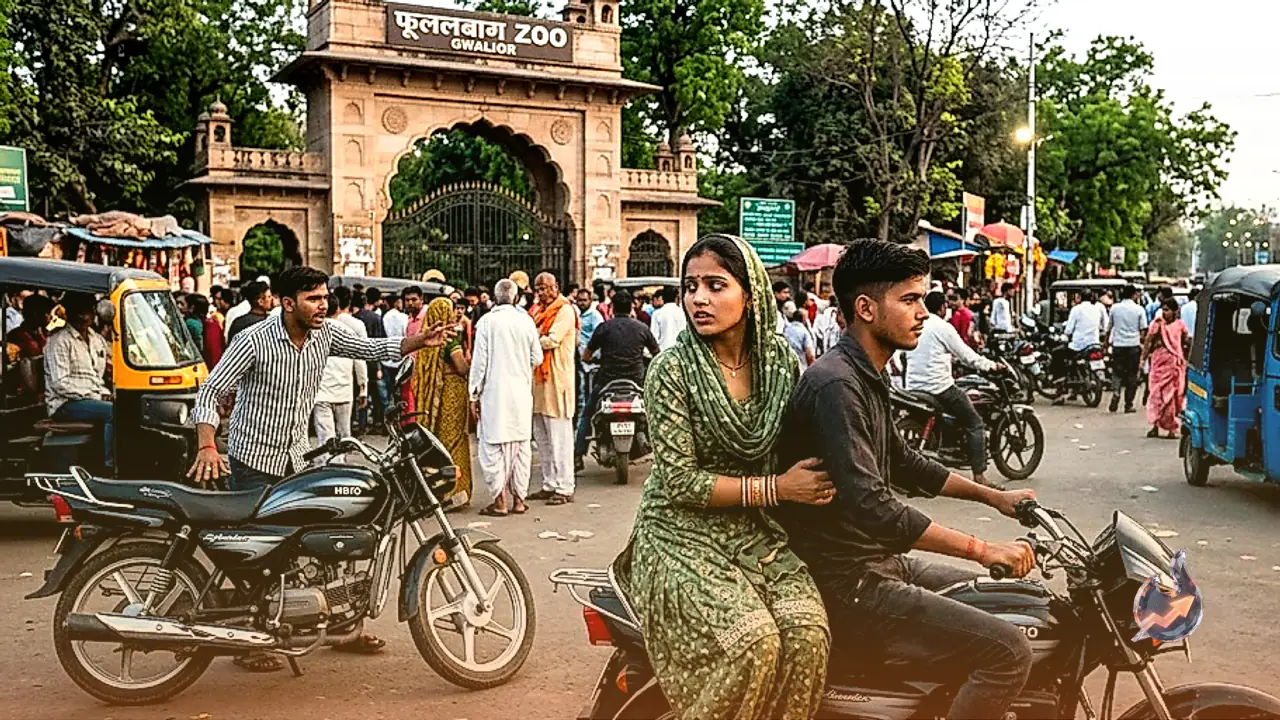
The namesake of this grand production traces back to the deeply spiritual vision of Lala Sullamal around the year 1900. Demonstrating remarkable scholarly devotion at just 20 years of age, he authored an adaptation of the Ramayana in the Mandi dialect. That literary undertaking sparked his aspiration to bring the divine narratives to life on stage, prompting him to inaugurate the public performances. In those formative years, the enactment took place directly on the street outside Mohalla Afghan, near Delhi Gate. Townspeople themselves donned the attire of Lord Rama, Sita, Lakshmana, and other epic figures. As the township gradually expanded past its four historic boundary gates, the public appeal of the production surged rapidly, transforming a neighborhood gathering into a celebrated civic fixture.
From City Alleys to the Permanent Ghantaghar Grounds
Virendra Kumar, former president of the Shri Sullamal Ramlila Committee, reflects on this legacy with memories spanning his 82 years of life. He notes that the theatrical enactment had already been a deeply rooted local custom for several decades before his childhood. Initially mounted right in the heart of the town, the event eventually outgrew its cramped municipal quarters. Local authorities and organizers subsequently designated dedicated land at Ghantaghar to facilitate the sprawling crowds attending both the episodic drama and the grand Dussehra celebrations. Since that relocation, the grounds have remained the focal meeting point for the annual religious pageant.
The Artistic Evolution: From Local Volunteers to Mathura and Delhi Troupes
The staging of the Ramlila has mirrored the broader evolution of Indian folk theatre. During its earliest decades, ordinary neighborhood residents stepped into the divine roles purely out of religious dedication. Over the years, professional performing troupes from Mathura were engaged, preserving an authentic regional style for several decades. In the past four to five years, skilled artists based in Delhi have taken charge of enacting the core mythological episodes. Concurrently, the physical presentation has undergone a drastic transformation: traditional painted canvas curtains and basic stages have been replaced by high-definition LED screens, acoustic sound reinforcement systems, and dynamic illumination designs.
Preserving Sanctity Across Generations and Civic Leadership
Organizing committee members emphasize that despite embracing progressive technology, the core spiritual ethos and religious sanctity remain untouched. The integration of modern audiovisual equipment serves specifically to attract and engage younger generations, making epic moral lessons visually compelling in a digital era. While spectators historically converged on Ghantaghar as the sole performance venue in the area, the decentralization of modern Ghaziabad into multiple neighborhood stagings has slightly dispersed daily attendance. Nevertheless, massive crowds continue to pack the Ghantaghar grounds on Dussehra day. The event has also sustained enduring ties with prominent civic figures, having welcomed distinguished leaders such as Rajnath Singh alongside numerous members of parliament, state legislators, and local representatives over the decades.
A 90-Foot Ravana Effigy and Auspicious Ceremonial Processions
Anticipation for the current festive season centres on an imposing 90-foot tall effigy of Ravana scheduled for the celebratory culmination. Ahead of the regular theatrical episodes, the traditional announcement of the festivities was heralded across the city through the symbolic Ravana Doot messenger, followed by the ceremonial Ganesh Yatra procession. Once these customary rituals conclude, daily enactments on the main stage commence in full splendour. Spanning 125 continuous years, the historic staging endures as a shining beacon of living cultural heritage amidst Ghaziabad’s rapid modern evolution.