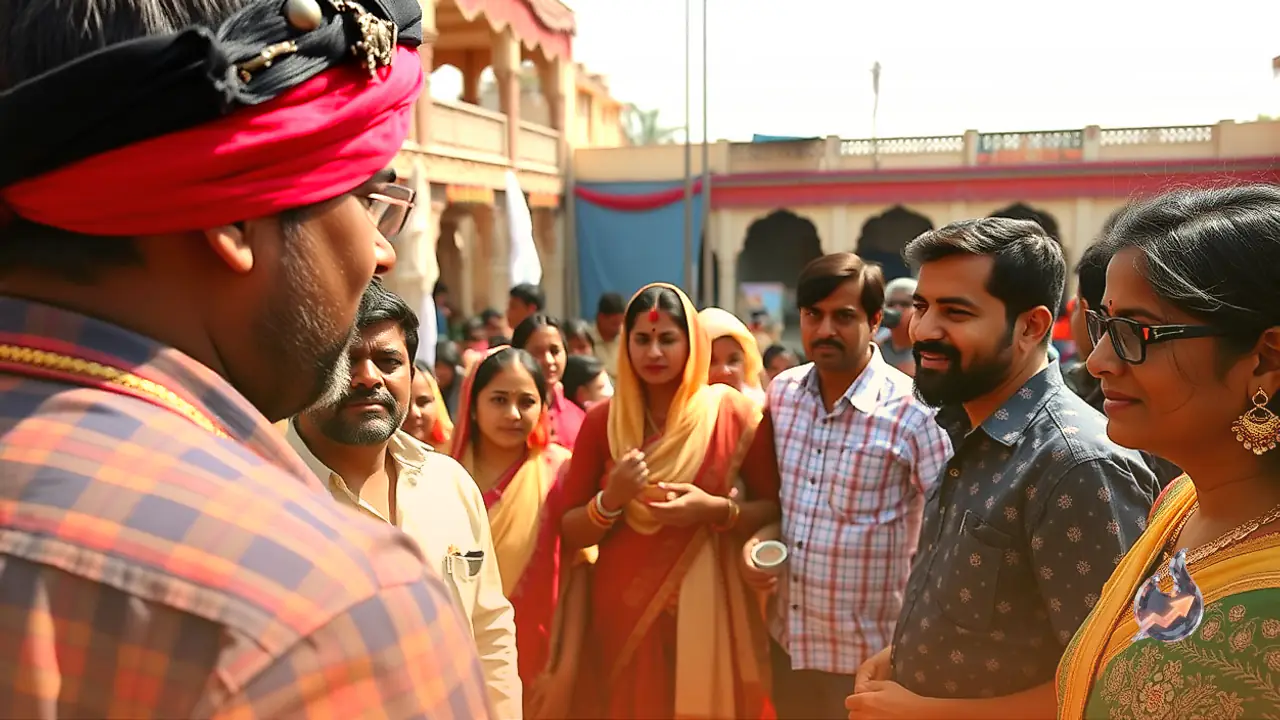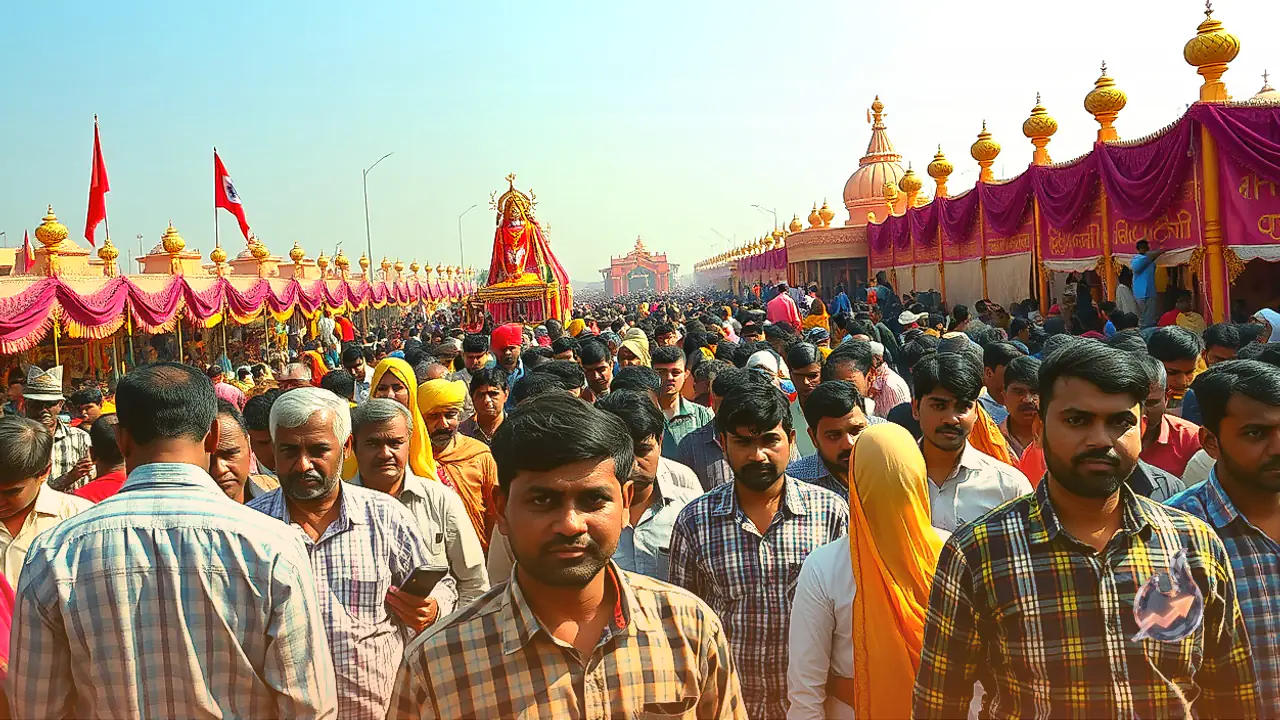



















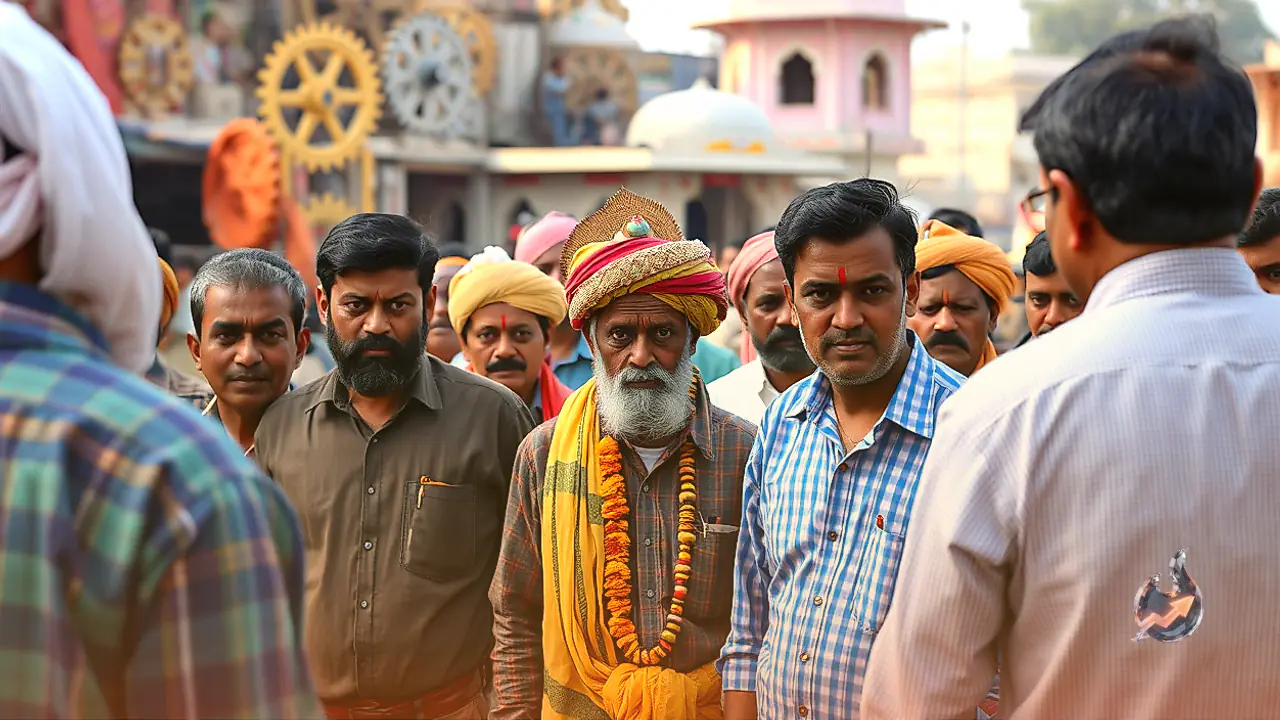

The town of Bisau in the Jhunjhunu district of Rajasthan holds a distinguished place globally for its historic, two-century-old silent Ramlila. What sets this centuries-old theatrical enactment apart from traditional stagings across the country is that no performer utters a single word on stage. Instead, the entire narrative of the Ramayana is conveyed purely through expressive facial gestures, bodily movements, symbolic hand signs, elaborate masks, and finely calibrated stage action. This year, the historic silent production is scheduled to begin on October 11. Registered in the Golden Book of World Records, this remarkable presentation continues to draw spectators from far and wide, and local preparations in Bisau are currently underway in full swing.
Extensive preparations and the central role of dramatic masks
Performers are dedicating long hours to rehearsals to immerse themselves fully into their assigned mythological roles. At the performance venue, crews are putting final touches on the necessary staging arrangements. Preparing for the crucial scene depicting Lord Rama's worship of Lord Shiva before embarking on the military march to Lanka, artist Babu Navhal has been busy painting the Shiva Lingam. In parallel, craftsmen and stagehands are painstakingly restoring and designing the distinctive masks, ornaments, and props designated for each character across various episodes. Because there are no spoken lines, these detailed masks carry extraordinary visual weight, serving as the primary anchor for character identity and helping the audience immediately recognize emotions and dramatic shifts.
The historical genesis at Ramana Johad
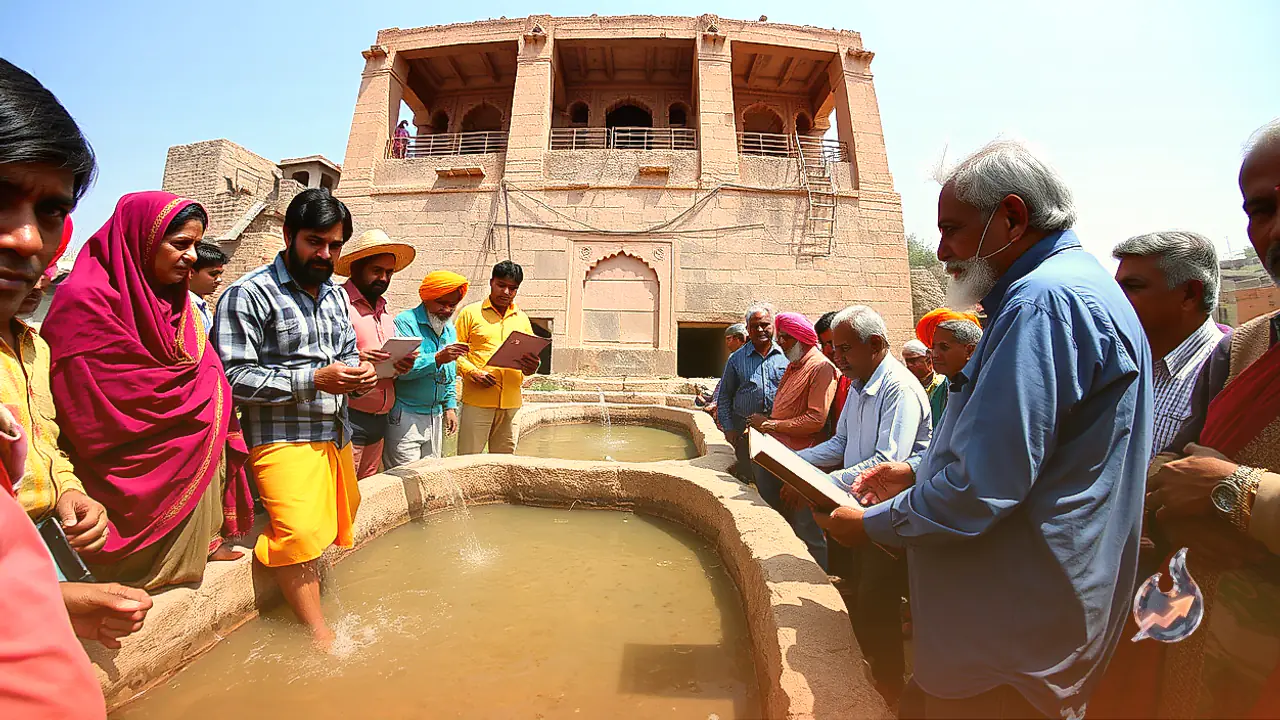
The origins of this silent theatrical tradition trace back around 170 years to a location named Ramana Johad. According to community elders, a female ascetic named Jamna initiated the effort by gathering local village children to stage the Ramayana story. Custom-made masks were crafted for the young participants to wear on stage. However, once the children donned these heavy masks, speaking their lines clearly became an insurmountable challenge. Recognizing the difficulty the children faced, the organizers made a pragmatic creative pivot to eliminate spoken dialogue entirely and perform the narrative through pure mime. That spontaneous adaptation eventually evolved into a world-famous performance art form that defines Bisau's cultural identity today.
Percussion-driven pantomime and a unique Dussehra calendar
In this production, physical acting replaces spoken speech entirely. Fluid body language, nuanced glances, and coordinated stage movement advance the narrative arc from scene to scene. As the resonant beats of traditional drums and nagadas echo across the venue, performers breathe life into epic episodes in total silence, delivering an intense and captivating spectacle for the crowd. While Ramlila performances throughout India traditionally culminate on Vijayadashami with the burning of Ravana's effigy, Bisau follows an entirely separate timeline. Here, the theatrical run spans nearly a fortnight. The burning of the Lanka effigy takes place on the seventh day of the staging, and the final burning of Ravana occurs on Chaturdashi rather than on the day of Dussehra.
Communal harmony and seasonal local sweets
Beyond its theatrical distinctiveness, the Bisau staging serves as a lasting symbol of community harmony. Members of the Illahi community from the Muslim population actively participate in the production with deep reverence, taking an integral role in playing the traditional drums and nagadas throughout the performances. The festival season also brings culinary traditions to the forefront, as sweetmakers across Bisau prepare specialty confections called Tilangani and Saitholi. These regional treats are made continuously from the start of the Ramlila through Diwali, proving immensely popular among both residents and visitors. To widen its reach in contemporary times, the nearly 175-year-old tradition is now streamed live on social media platforms, allowing spectators across the globe to watch the silent spectacle in real time.