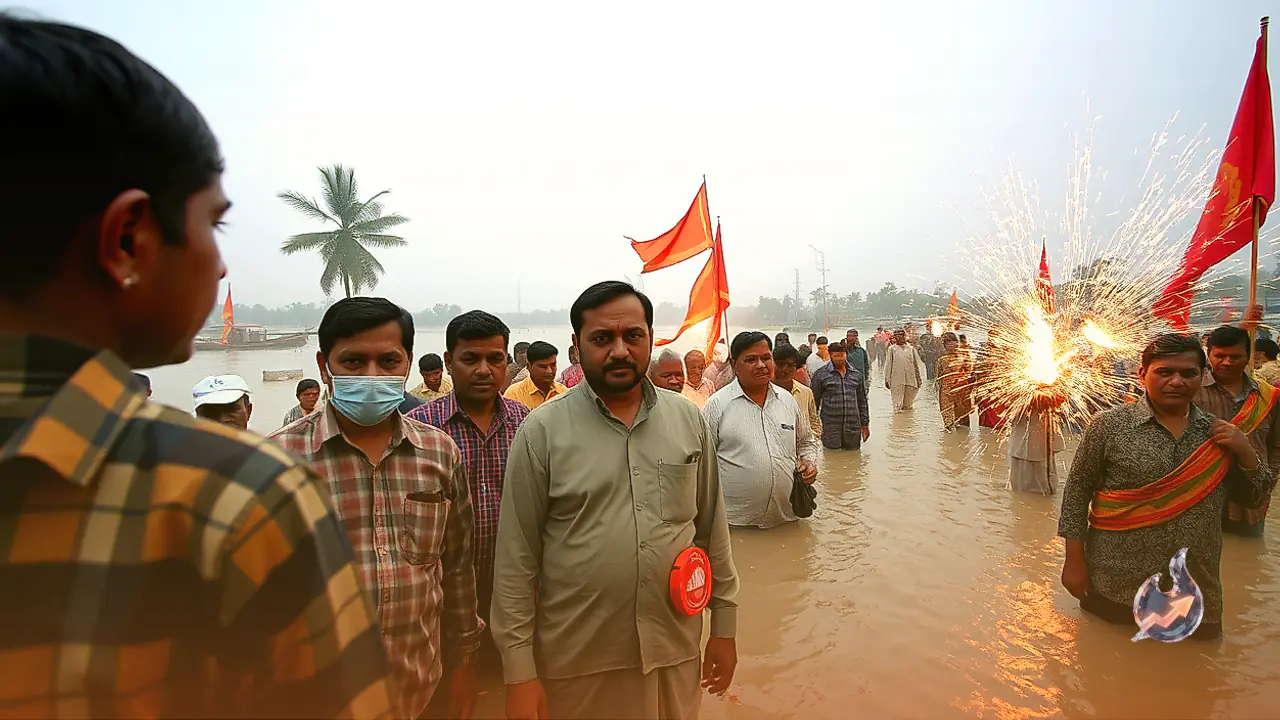



















Political friction escalated significantly across major metropolitan centers as opposition groups and party cadres organized demonstrations targeting Chief Election Commissioner Gyanesh Kumar. On the occasion of Gandhi Jayanti, activists representing Cockroach Janata Party, the Aam Aadmi Party, and the Congress attempted to stage protests at Jantar Mantar in Delhi and Shivaji Park in Mumbai demanding his resignation. However, law enforcement authorities intervened decisively due to a lack of required permissions, resulting in detentions and formal police cases alongside emerging friction within the opposition coalition over electoral seat negotiations in Uttar Pradesh.
Police Clampdown and Detentions at Jantar Mantar
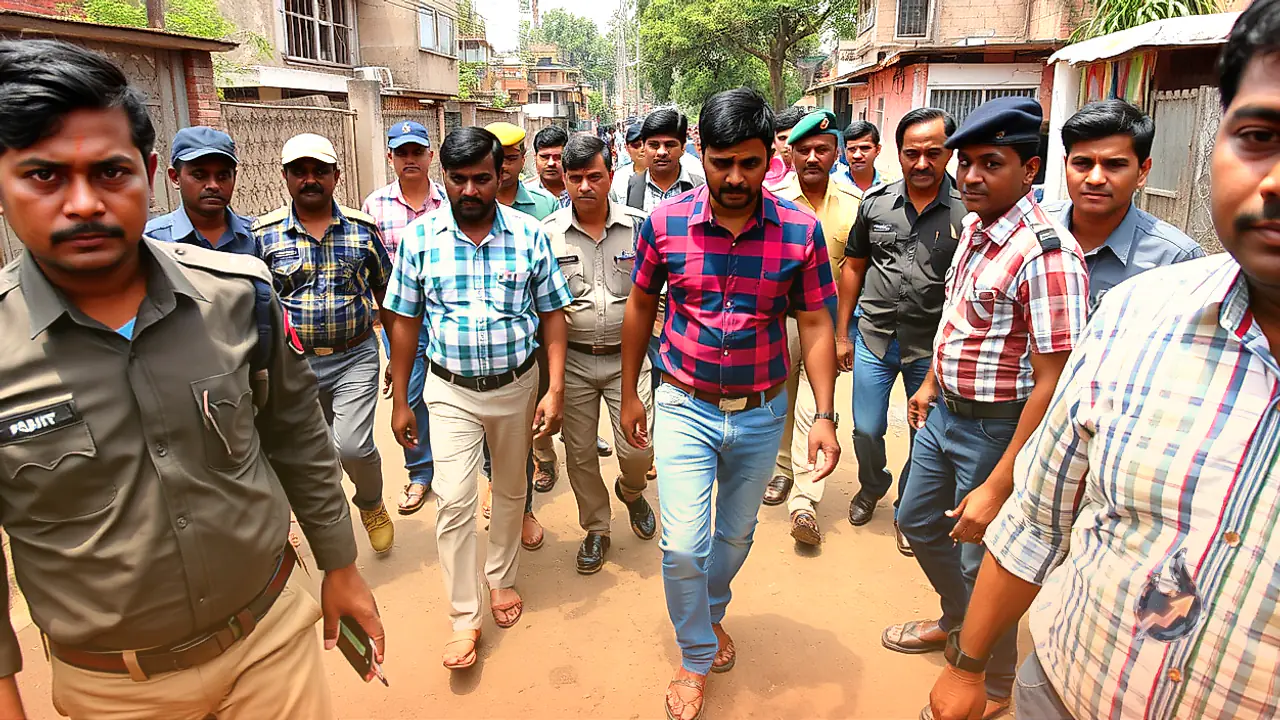
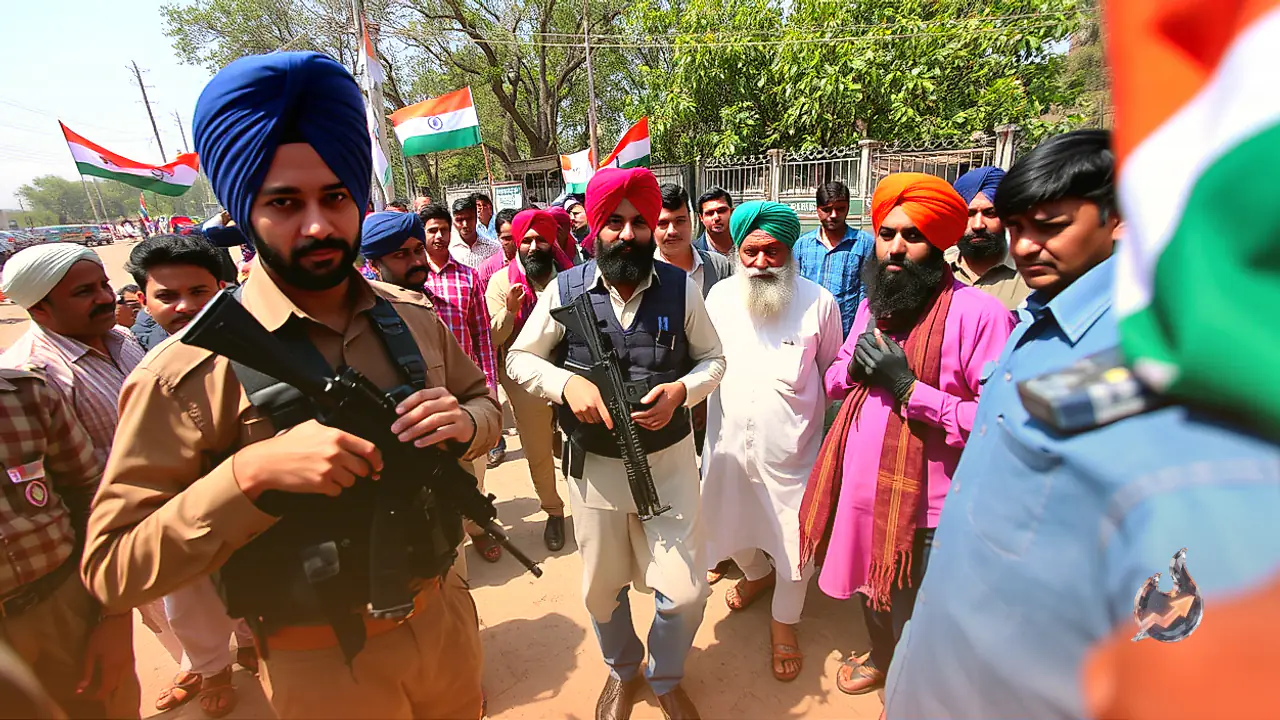
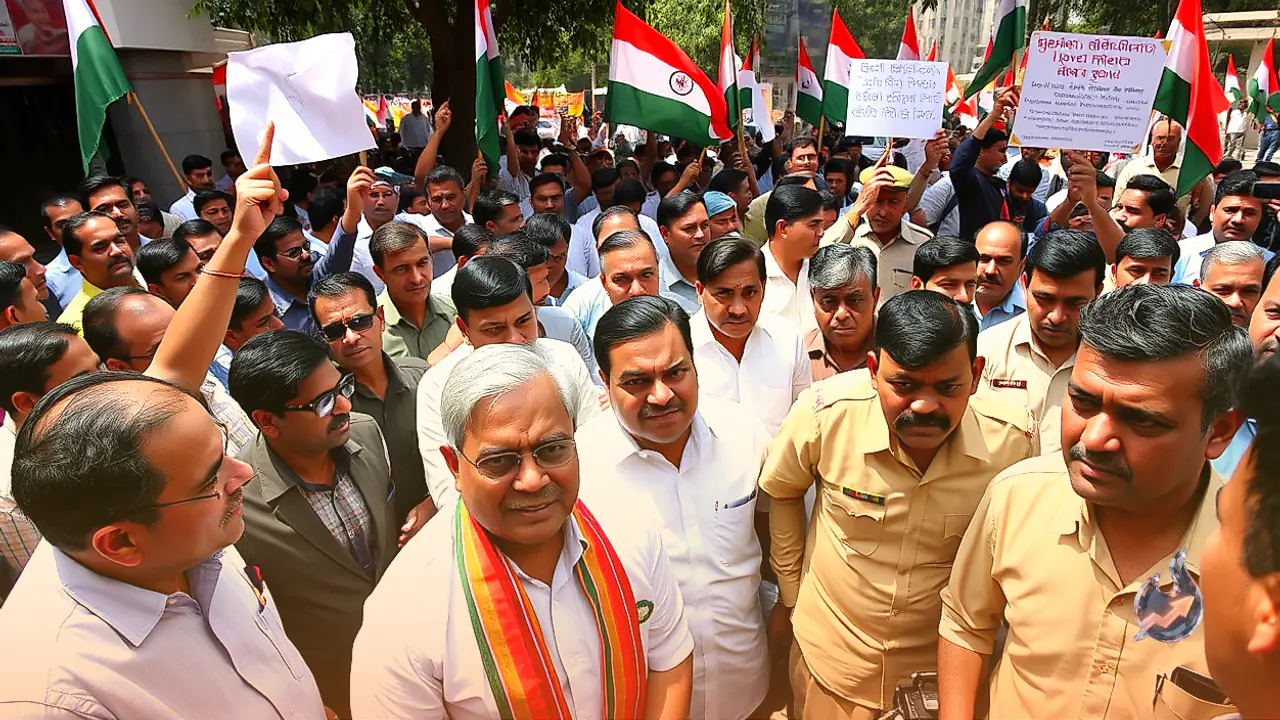
In the national capital, prohibitory orders under Section 163 were strictly active across New Delhi to prevent unsanctioned gatherings. Despite these restrictions, Congress workers dressed in white attire and delegations from the Aam Aadmi Party attempted to establish a presence at Jantar Mantar. Delhi Police Commissioner Anurag Kumar took charge directly on the ground to oversee security deployment. As unauthorized demonstrators began raising slogans, police personnel detained attendees and loaded them into buses to clear the venue.
Simultaneously, student groups associated with left wing organizations attempted to mobilize cadres towards Jantar Mantar. Left student groups had played an active role in building momentum at the location during an earlier protest roughly three months prior, but security forces blocked their movement before any mass assembly could take shape. Student leader Neha Bora engaged in a confrontation with police personnel on site, but forces quickly dispersed the gathering. Following the disruption, Delhi Police registered three separate First Information Reports across local jurisdictions, with two FIRs filed at the Parliament Street police station and another lodged at the Connaught Place police station.
Shivaji Park Gathering and Allegations Regarding Minor Children
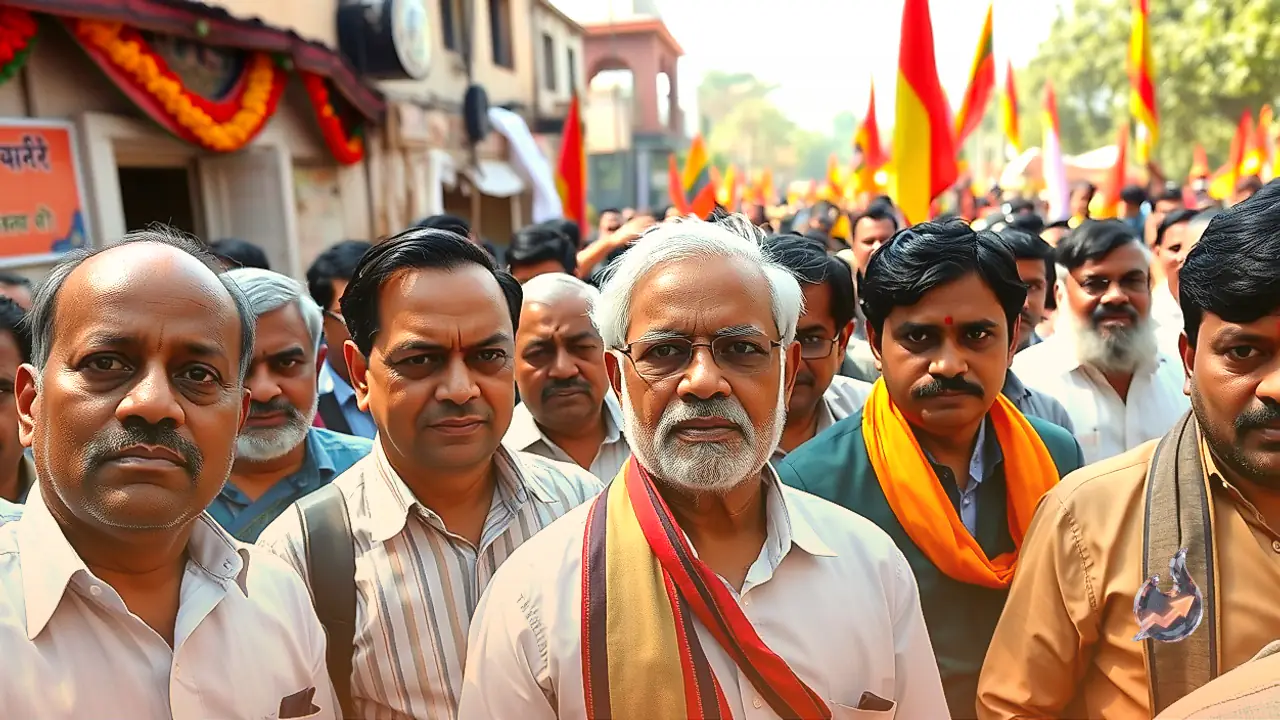
Parallel demonstrations quickly emerged in western India at Shivaji Park in Mumbai, organized under the banner of the Cockroach Janata Party. During his address demanding Gyanesh Kumar step down, party figure Abhijit Dipke stirred controversy by comparing the local Deputy Commissioner of Police to General Dyer, while directing sharp criticism toward Prime Minister Narendra Modi. Mumbai Police confirmed that no official sanction had been granted for any march or assembly at the location, prompting authorities to file an FIR against Cockroach Janata Party organizers for conducting an unauthorized agitation.
The Shivaji Park event soon attracted severe scrutiny over the reported involvement of underage children. Allegations surfaced indicating that a young minor was physically lifted above the crowd while inflammatory slogans were chanted. Further complaints alleged that prior discussions within digital group chats had coordinated bringing children to the venue specifically to serve as human shields against potential police action. Satish Vaid, Head of Intervention at the Seva Nyaya Utthan Foundation, submitted a formal complaint citing video evidence and photographs circulated across social media networks.
Human Rights Commission Issues Notices Seeking Action Reports
Acting upon the formal complaint, the National Human Rights Commission initiated proceedings under Section 12 of the Protection of Human Rights Act. The matter was taken up by a bench headed by NHRC member Priyank Kanoongo to examine the potential endangerment and exploitation of minors during political agitations.
The commission issued official directives and notices to four major entities: the Commissioner of Police in Mumbai, the Union Ministry of Electronics and Information Technology, the grievance officer of social media platform X, and the Department of Women and Child Development of Maharashtra. The NHRC directed all notified authorities to submit detailed action taken reports within a strict timeline of seven days regarding the incident and associated digital communications.
Fresh Agitation Deadlines and the Election Commission Outreach Drive
Despite legal actions and police detentions, protest leaders announced intentions to renew their agitation. Late in the evening, Abhijit Dipke declared that if Gyanesh Kumar refuses to step down, supporters from across the nation will converge on Jantar Mantar in Delhi on October 10 under a campaign titled 'Jantar Mantar 2.0' and 'Chalo Delhi'. Similarly, student activist Neha Bora issued a call for supporters to gather again at Jantar Mantar on Saturday at 1:00 PM, despite the continued enforcement of Section 163 by law enforcement agencies.
In the midst of the controversy surrounding voter rolls, the Election Commission outlined administrative measures to address public registration. Across 20 states and union territories where the Special Intensive Revision process has concluded, the commission ordered a dedicated outreach drive. Citizens whose names were excluded from voter lists were advised to submit Form 6 for fresh inclusion, with a focus on registering eligible first-time youth voters. Under this initiative, Booth Level Officers have been instructed to conduct door-to-door visits covering 20 to 25 households weekly under a designated one-month operational target.
Coalition Seat Disputes Surface Over Uttar Pradesh Assembly
While opposition parties coordinated public agitations alleging wrongful deletion of voter names, the Election Commission maintained that official enrollment windows remain open to all eligible citizens. Concurrently, deep internal rifts have surfaced regarding electoral representation inside the alliance. In Uttar Pradesh, which features 403 assembly constituencies, the Congress party has reportedly asserted claims to a 50 percent quota, stating it will not accept fewer than 150 seats.
However, the Samajwadi Party leadership under Akhilesh Yadav has rejected those demands, suggesting that offering even 50 seats to the Congress would exceed its organizational strength in the state. Reports indicate that Akhilesh Yadav has instructed party machinery to prepare candidates across 350 assembly seats independently. The friction follows the outcome of the 2024 Lok Sabha elections, in which the Samajwadi Party secured 37 parliamentary seats in Uttar Pradesh compared to just 6 seats won by the Congress. Using this substantial electoral margin as justification, the regional party has pushed back against Congress demands, showing that external street cooperation remains deeply strained by internal rivalries over legislative power.