























A major security plot aiming to destabilize public demonstrations in the national capital has come to light following operations by the West Bengal Special Task Force. Investigations into arrested Jaish-e-Mohammed operatives have uncovered a sinister conspiracy orchestrated by Pakistani intelligence and overseas criminal networks. Operatives were tasked with covertly infiltrating large student gatherings at Delhi's prominent protest site, Jantar Mantar, to incite chaos and engineer widespread civil unrest.
Infiltration Tactics and Police Uniform Plot
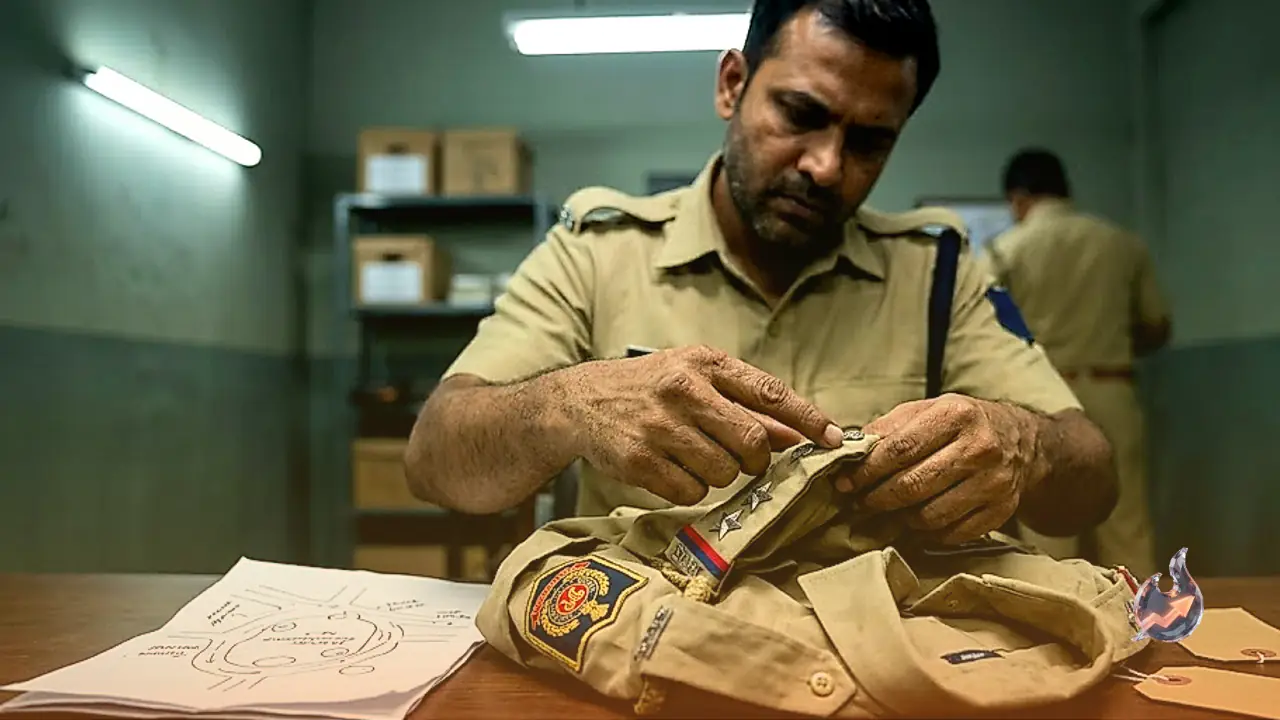
According to investigative findings released by the West Bengal STF, Pakistani handlers directed the suspect module to acquire authentic police uniforms. The plan relied on operatives disguising themselves as active law enforcement personnel, allowing them to blend seamlessly among security forces deployed around ongoing student protests. By disguising their identity, the suspects aimed to track crowd movements, monitor police deployment strategies, and execute planned sabotage at opportune moments to turn peaceful demonstrations into violent riots.
The Operational Module and Overseas Handlers
The anti-terror operation led to the arrest of two key suspects, identified as Mohammad Hamim Mandal and his female associate Arpita Sarkar. Detailed interrogation of the duo revealed that their instructions originated directly from Pakistani handlers operating under multiple aliases, including Abid Jatt 333, Uzair, Rana, and Hamad. Counter-terrorism agencies suspect these aliases represent active operatives linked directly to Pakistan's Inter-Services Intelligence and the notorious Shehzad Bhatti criminal network.
Encrypted Digital Networks and Honey Trap Operations
Forensic inspection of digital devices seized from Mandal and Sarkar provided evidence of sophisticated operational security. The module relied exclusively on end-to-end encrypted communication applications, including WhatsApp, Telegram, Element X, and Session, to receive directives and share operational updates while evading detection by Indian intelligence services. Beyond physical infiltration plans, the network was actively executing honey trap operations aimed at targeting Indian political figures and senior police officials to extract sensitive strategic information.
Long-Term Strategy and Ongoing Investigation
Statements from STF IG Gaurav Sharma highlight that Pakistani handlers have shifted towards a long-term strategy of exploiting domestic political movements and public gatherings in India. Rather than launching immediate direct armed strikes, the immediate focus of these foreign handlers was establishing deep local intelligence roots and mapping vulnerability points for future offensive operations. Security agencies are currently conducting exhaustive inquiries to ascertain whether any members of this module had already traveled to Delhi or established local support bases within the capital to execute the uniform infiltration conspiracy.