




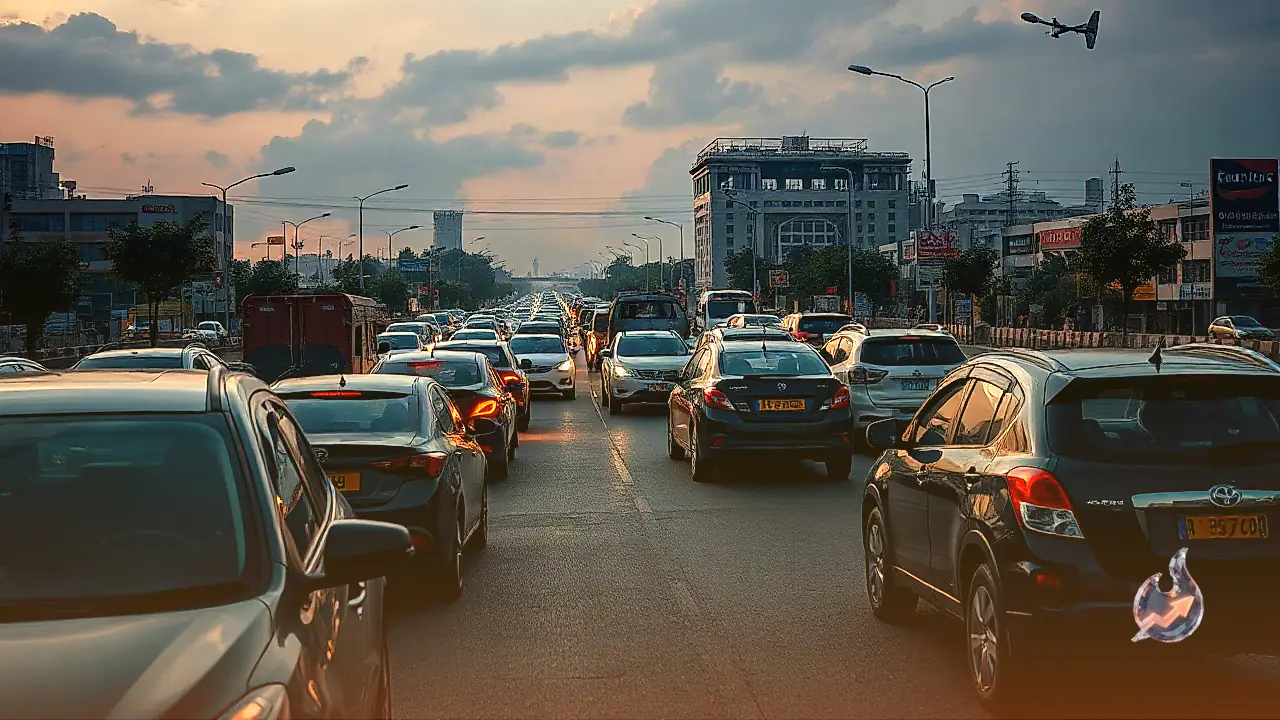


















A major transformation is set to reshape the real estate and urban development framework of Delhi. The Delhi Development Authority (DDA) has proposed a market-based mechanism under Delhi Master Plan 2047 that allows property owners to trade their unutilized construction rights alongside their plots and buildings. Under the proposed Transferable Development Rights (TDR) provision, if a property owner or developer is unable to fully utilize the permissible building area on a specific plot, the leftover construction rights can be transferred and sold to other developers. The proposal has received formal approval from the DDA and is currently awaiting final clearance from the Ministry of Housing and Urban Affairs. This initiative aims to incentivize private property owners to participate in urban renewal, heritage conservation, and slum rehabilitation projects across the capital.
Understanding Transferable Development Rights and Mumbai’s Benchmark
The proposed TDR mechanism in Delhi is modeled after the urban planning policies successfully executed in Mumbai. In Mumbai, TDR has long served as a vital tool for acquiring land for public infrastructure and clearing slums for modern housing. Data from research conducted by the think tank Observer Research Foundation indicates that over a two-decade period leading up to 2021, nearly 8 crore square feet of space was utilized under TDR provisions specifically for slum development and rehabilitation projects in Mumbai. By adopting a similar market-driven framework, the DDA intends to unlock land potential in Delhi, encouraging private developers to fund public housing projects in exchange for transferable floor space.
Implementation Framework and PPP Model in Delhi
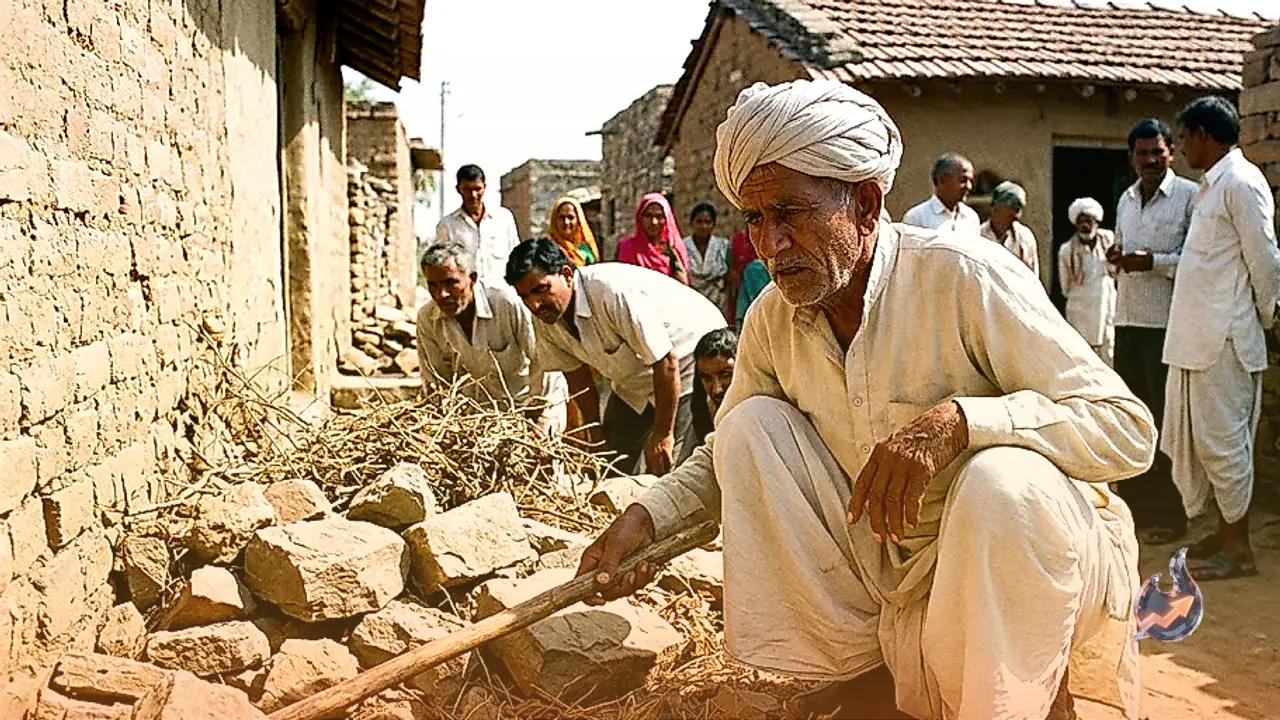
The law will function primarily through Public-Private Partnership (PPP) models to clean up and redevelop informal settlements. Under this arrangement, private developers will construct modern, multi-story housing for slum dwellers on the existing slum land. The remaining unbuilt land portion will then be allocated to the developer for constructing commercial properties or premium residential units. This commercial monetization enables developers to offset the expenditure incurred on free slum housing. Given that several slum clusters in Delhi occupy highly valuable real estate, urban planners anticipate strong developer participation and commercial viability for these rehabilitation projects.
Generating Sites, Receiving Sites, and Height Constraints
Urban density, narrow access roads, and strict height restrictions in areas like Old Delhi often prevent developers from utilizing the full floor area allowed by municipal regulations. On small or restricted plots, builders cannot construct enough storeys to make commercial offices or housing units profitable. The TDR framework solves this structural bottleneck by splitting real estate into two designated categories. The location where the permitted building height or plot size prevents full construction is designated as the Generating Site. The separate location where those unused development rights are bought, transferred, and constructed is designated as the Receiving Site. This allows owners of restricted plots to monetize their unbuilt space certificates.
Floor Area Ratio Math and High-Rise Slum Redevelopment
According to the DDA, the volume of TDR trades will remain regulated because the new Master Plan sets a Floor Area Ratio (FAR) of 500 for slum rehabilitation projects. FAR measures the total floor area allowed relative to the plot size. The DDA provided a clear mathematical illustration: on a 2,000 square foot plot, if a developer utilizes 50 percent of the ground footprint (1,000 square feet), they can construct a 10-storey building with 1,000 square feet per floor. Alternatively, if the builder utilizes only 25 percent of the ground footprint (500 square feet) under the exact same FAR limit, they can erect a 20-storey high-rise structure containing 500 square feet per floor. This flexibility encourages taller, space-efficient towers for slum rehousing.
Key Operational Guidelines and DDA Regulatory Controls
To ensure strict administrative oversight and prevent unregulated construction, the DDA has established clear operational parameters for the TDR policy
- TDR incentives will be extended to property owners who preserve and restore heritage buildings.
- Special construction relaxations will be granted for building projects located in congested Old Delhi neighborhoods.
- The rights can be deployed for slum clearance, low-income housing redevelopment, and urban infrastructure enhancement.
- DDA will issue an official certificate verifying the exact square footage of transferable development rights.
- TDR certificates will be strictly non-transferable outside Delhi and can only be applied to properties within municipal borders.
- Implementation will be limited strictly to DDA-notified zones to maintain balanced urban growth.