

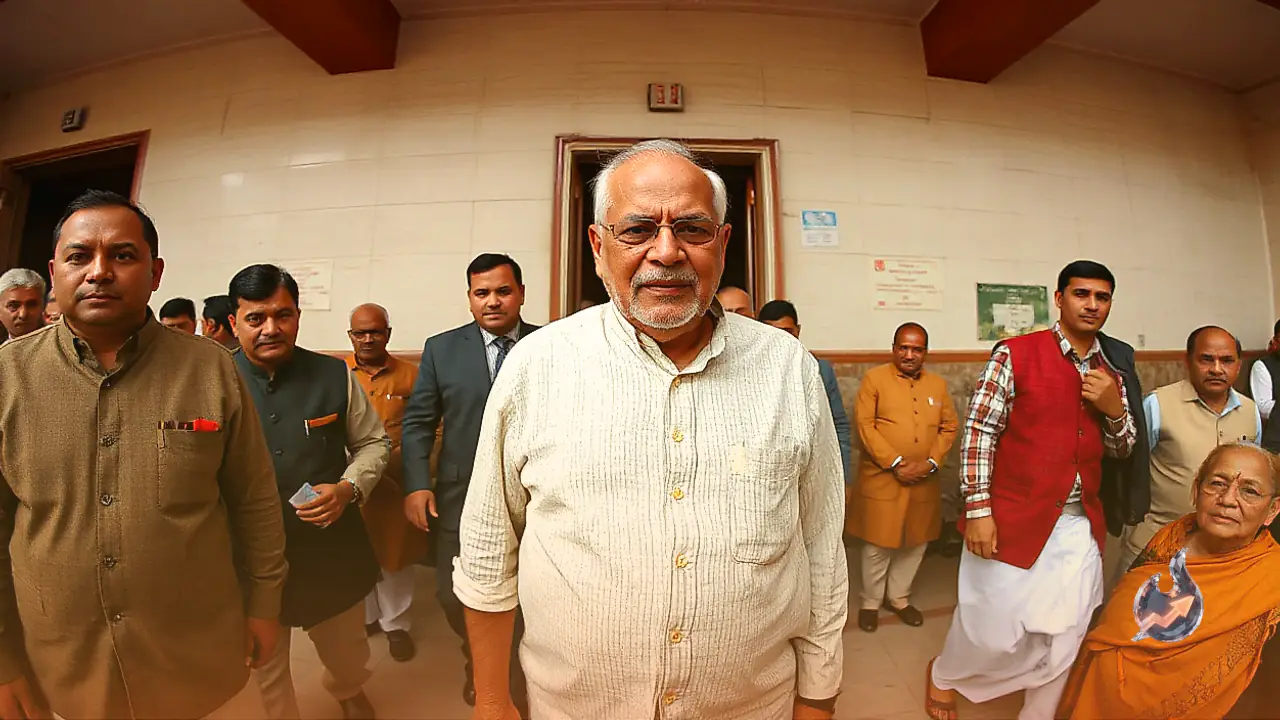


















A sharp nationwide debate has surfaced over draft regulations issued by the central government regarding the treatment and utilization of animals in scientific laboratories. With the public consultation window closing on November 5, animal welfare advocate and People for Animals representative Ambika Shukla has stepped forward with critical concerns about the proposed regulatory overhaul. She warned that weakening established checks would roll back decades of progress in experimental ethics, expose voiceless creatures to avoidable suffering, and undermine the credibility of Indian scientific output on the global stage.
The Legacy of 1997 Oversight and the Role of GLP Standards
Independent oversight of experimental fauna in India began in earnest in 1997 with the formation of the Committee for the Purpose of Control and Supervision of Experiments on Animals, widely known as CPCSEA. Initial inspections conducted by this body across prestigious biomedical and academic institutions unearthed deplorable living conditions. Numerous animals had spent years languishing inside poorly maintained holding pens without undergoing active research, deprived of adequate sanitation, veterinary supervision, or basic comforts.
This wake-up call catalyzed sweeping reforms around the year 2000, leading to a restructured committee and the institutionalization of Good Laboratory Practices (GLP). The revised framework instituted rigorous scrutiny for every project submission, evaluating whether the proposed experiment was scientifically indispensable, whether similar research already existed, the precise number of specimens needed, and the projected validity of results. According to Ambika Shukla, this accountability mechanism protected Indian science. It formed the bedrock that enabled the nation to develop vital vaccines during the COVID-19 pandemic and earn global respect. Dismantling such safeguards, she argued, compromises the integrity of domestic research.
Sourcing Ambiguities and Threats to Stray Animals
One of the most contentious elements in the draft text is Rule 5, which addresses animal procurement. Under current protocols, laboratories are generally obligated to source subjects exclusively from registered in-house or certified breeding establishments. This discipline allows experimenters to track genetic lineages, underlying medical histories, and pre-existing pathologies that might skew study outcomes.
The revised draft suggests that facilities unable to procure in-house bred specimens may acquire them from alternate channels. However, the proposal fails to establish clear parameters for what constitutes an acceptable alternative. Ambika Shukla cautioned that this regulatory vagueness could pave the way for taking animals from roadsides, unregulated markets, private residences, or wild habitats. Stray dogs, cats, and neighborhood animals could face exploitation. Furthermore, introducing subjects from uncontrolled habitats introduces latent infections and undiagnosed physiological issues into laboratories, making it impossible to determine whether an experimental outcome stems from the test compound or the animal's prior health status.
Devolving Approvals from Central Regulators to Local Institutes
The proposed transition away from independent central authorization toward decentralized institutional clearance represents another major point of friction. At present, an autonomous central committee evaluates every protocol to verify its scientific necessity and cap specimen numbers. The draft seeks to grant individual institutions greater latitude to approve their own in-house proposals.
Comparing this shift to letting parents grade the exam papers of their own children, Ambika Shukla pointed out that academic and commercial facilities face an obvious conflict of interest. Institutional committees are inherently reluctant to deny funding or delay projects pitched by their own researchers. In the absence of detached external auditing, the line between genuine scientific inquiry and administrative expedience inevitably blurs, creating fertile ground for redundant experiments and excessive specimen usage.
Uncontrolled Outdoor Testing and Advance Notice Inspections
Concerns were also raised regarding clauses that relax environmental and infrastructural mandates for housing and trials. The prospect of conducting procedures outside strictly enclosed, climate-controlled laboratory enclosures threatens baseline scientific rigor. Unregulated variables such as fluctuating ambient temperature, rainfall, airborne dust, and humidity can introduce uncontrollable noise into experimental datasets. A cornerstone of reproducible science is that an experiment executed under uniform conditions yields consistent data; fluctuating outdoor environments eliminate this reproducibility.
Equally troubling is the proposed shift toward providing facilities with advance notice prior to official inspections. Surprise inspections remain the only effective instrument for verifying whether animals are housed humanely and whether experimental protocols are adhered to in daily operations. Prior warnings give non-compliant facilities ample opportunity to conceal infractions, temporarily clean cages, and stage acceptable conditions, rendering supervisory audits meaningless.
Subjective Classifications of Physical and Psychological Pain
The draft also reimagines the criteria used to classify animal procedures. Existing frameworks categorize protocols according to specimen size (small, medium, or large), applying tailored welfare standards to each. The draft proposes reclassifying experiments based on subjective degrees of perceived suffering: mild, moderate, severe, and lethal.
Questioning the feasibility of this hierarchy, Ambika Shukla observed that creatures unable to articulate distress cannot be reliably assessed through arbitrary severity scales. She expressed particular dismay at proposals categorizing food deprivation and prolonged solitary confinement as mild discomfort. Social isolation and hunger inflict severe physical and mental anguish on sentient creatures. Highly developed olfactory and auditory faculties make unfamiliar laboratory environments inherently terrifying for them. Many animals experience traumatic stress, anorexia, and physical deterioration during transit and confinement well before any experimental procedure formally commences. Because these animals cannot grant consent, the ethical burden rests entirely upon human stewards.
Biological Disconnects and Historical Laboratory Failures
The fundamental premise that animal testing reliably predicts human biology was also challenged during the discussion. Differences in anatomical structure, physiological mechanisms, and cellular pathways frequently render inter-species extrapolation inaccurate or misleading.
Penicillin stands as a classic historical example: early tests on laboratory animals failed to demonstrate its true therapeutic value for human patients. Had researchers halted development based solely on those animal assays, an indispensable life-saving antibiotic would have been delayed or discarded. Conversely, tobacco manufacturers historically exploited mismatched biological reactions between primates and humans to dispute the causal link between smoking and lung cancer, using monkey studies to stall public health restrictions. Such precedents show that animal reactions are not a flawless proxy for human reactions.
Technological Alternatives: Artificial Intelligence and In Vitro Models
Modern medical research is increasingly equipped with sophisticated non-animal alternatives that deliver superior translational accuracy. Artificial intelligence platforms, stem cell assays, organoids, and advanced computer simulation models can map biochemical interactions with high precision, saving both financial resources and time while sparing sentient lives.
Advancement in science is measured by the quality, relevance, and precision of research rather than the gross volume of animals subjected to trials. Ambika Shukla clarified that animal advocates are not seeking an unfeasible blanket prohibition on all experiments overnight; rather, they urge the nation to preserve existing protections while methodically transitioning toward humane technological substitutes.
The Danger of Becoming an Offshored Testing Hub
Relaxing regulatory rigor risks converting the country into a low-cost testing sanctuary for multinational entities. Across Europe and North America, stringent welfare legislation and high compliance costs make invasive animal testing increasingly difficult and expensive. If India weakens its standards, foreign firms could offshore routine regulatory compliance testing to domestic labs while retaining innovative high-value discovery work at home.
Such an outcome would degrade the country into a research dumping ground, eroding the reputation of its biotechnology sector and prompting overseas investors to question the reliability of Indian laboratory data. Having built a strong reputation as a pharmacy to the world, the nation risks relinquishing that prestige by diluting quality controls.
Ethical Commerce and the Call to Action
India previously established an admirable precedent by banning animal testing for cosmetic products, demonstrating that commercial enterprises like Lakme could thrive without relying on cruel procedures. Today, global institutional investors routinely prioritize environmental, social, and governance (ESG) factors, rewarding ethical business practices.
Echoing Mahatma Gandhi's principles of non-violence and compassion, Ambika Shukla noted that research conducted on terrified, stressed animals produces corrupted and unreliable data. She urged scientists, academic bodies, and concerned citizens to register their formal objections and recommendations with the government at [email protected] before the November 5 deadline, emphasizing that public participation remains crucial before draft measures are formalized into law.