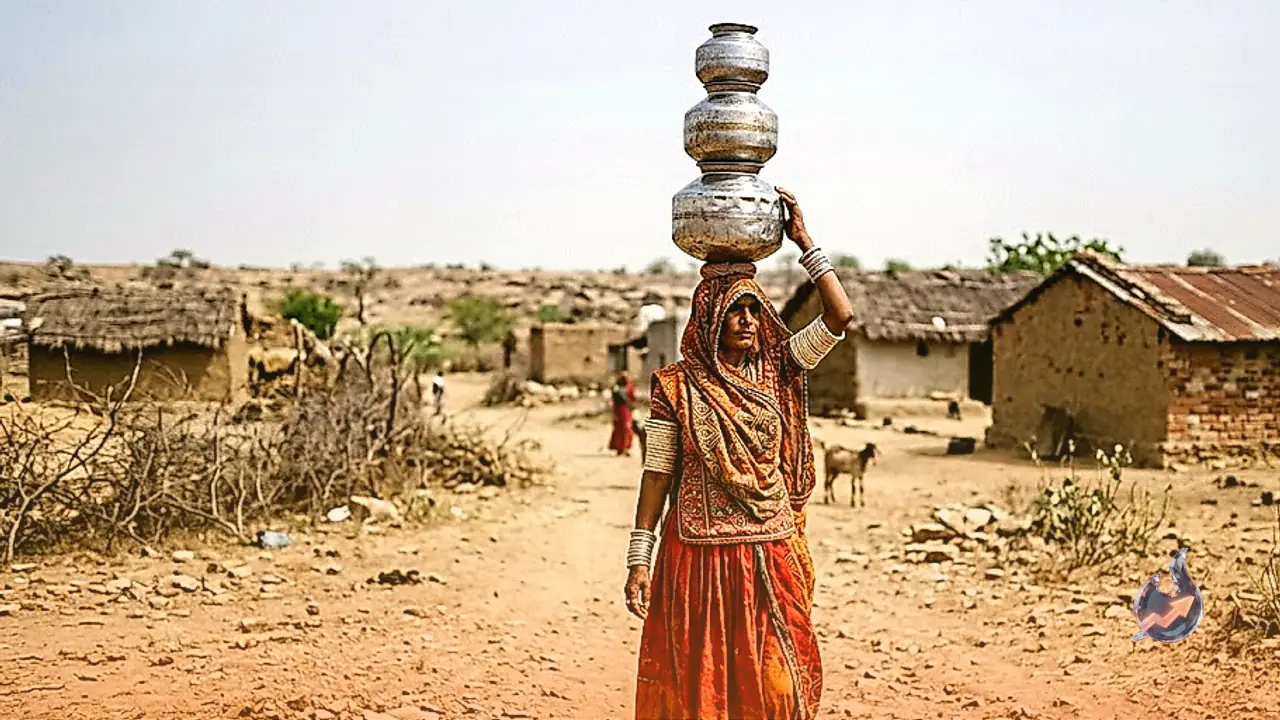















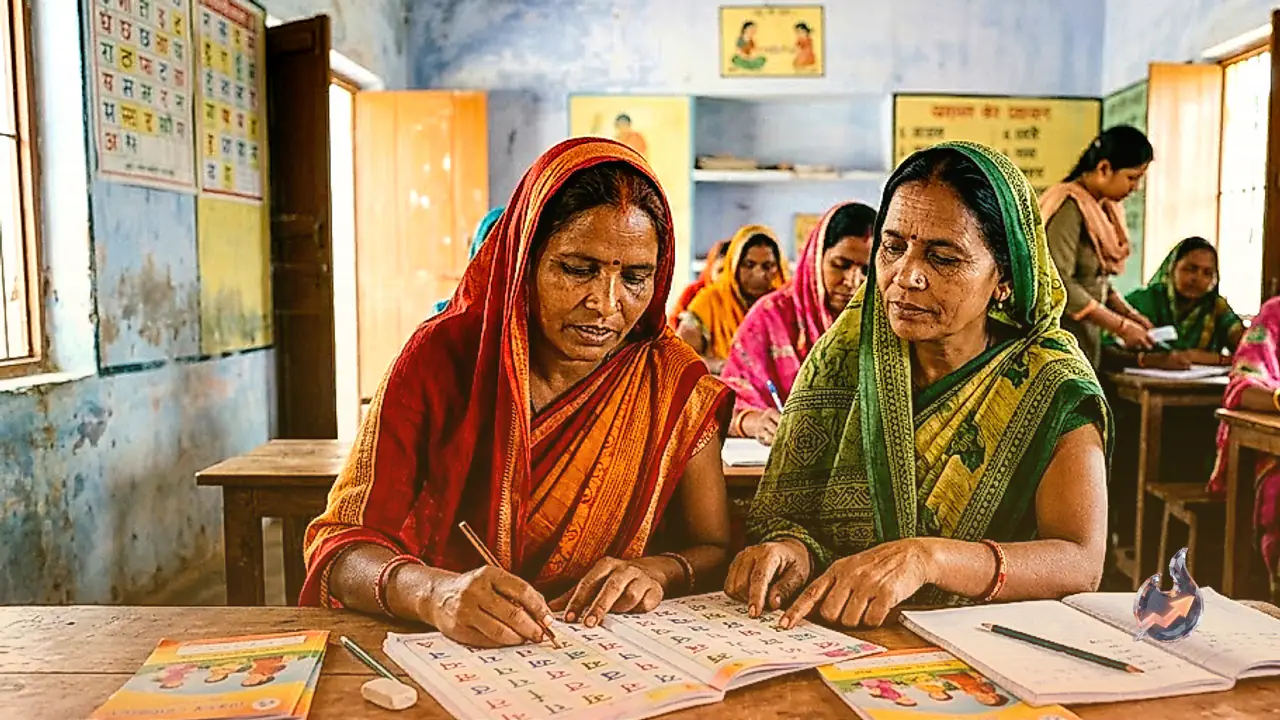

Education is essential for a better future and a meaningful life, and without it, understanding one's rights becomes nearly impossible. However, seeing older adults rather than children sitting in classrooms can certainly be surprising. A similar inspiring story comes from Amethi, where women like Malti and Radha have taken up books during the exact stage of life usually spent entirely managing household responsibilities. They find nothing unusual about it, stating instead that education has no age limit and that learning from their teacher feels wonderful.
The New Literacy Campaign Transforms Lives
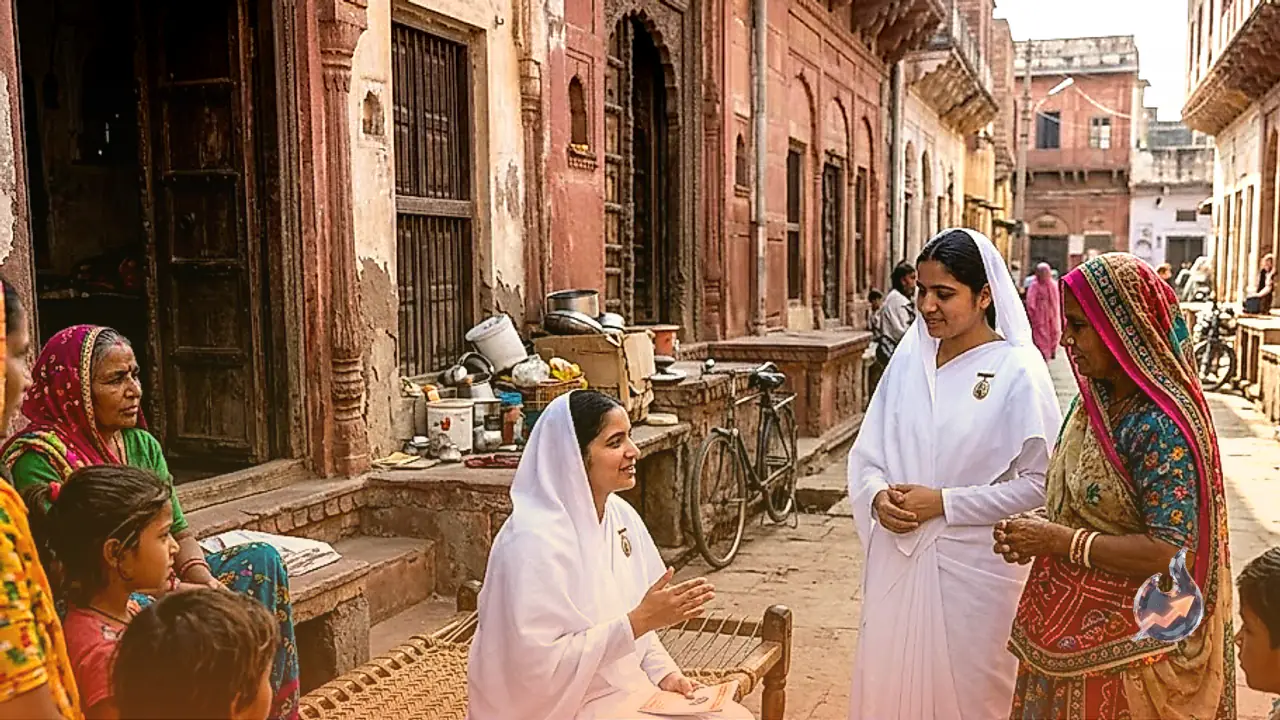
The basic education department runs a dedicated new literacy campaign every single year. This initiative actively identifies and connects with women who never had the chance to become literate, working hard to teach them the fundamentals of reading and writing. Residents of Gauriganj in Amethi district, such as Radha Singh and Malti मौर्य, exemplify how women can rebuild their futures and achieve self-reliance by holding books in their hands during their working years.
Voices of the Learners
Malti Devi shares that learning knows no age barrier. Alongside handling domestic chores, she studies with her own children while keeping books by her side, while regular classes are also held for them at the school. She emphasizes that being educated helps people understand their rights, preventing others from taking advantage of them or cheating them.
Radha Singh explains that they are being provided the right to education within the district. Initially completely uneducated, whatever little schooling she had received earlier had faded from memory, but now everything is coming back to her. Sitting down with books alongside the children brings back childhood memories, and by becoming literate today, they are improving their futures and recognizing their rights.
Education Department Initiatives
District Basic Education Officer Sanjay Tiwari notes that under the new literacy campaign, drives are organized periodically across 1570 schools in rural areas and local environments. Unlettered women are integrated into these programs to help them gain literacy and awareness regarding their rights. This effort is yielding significant benefits, helping women become both conscious of their surroundings and economically independent.