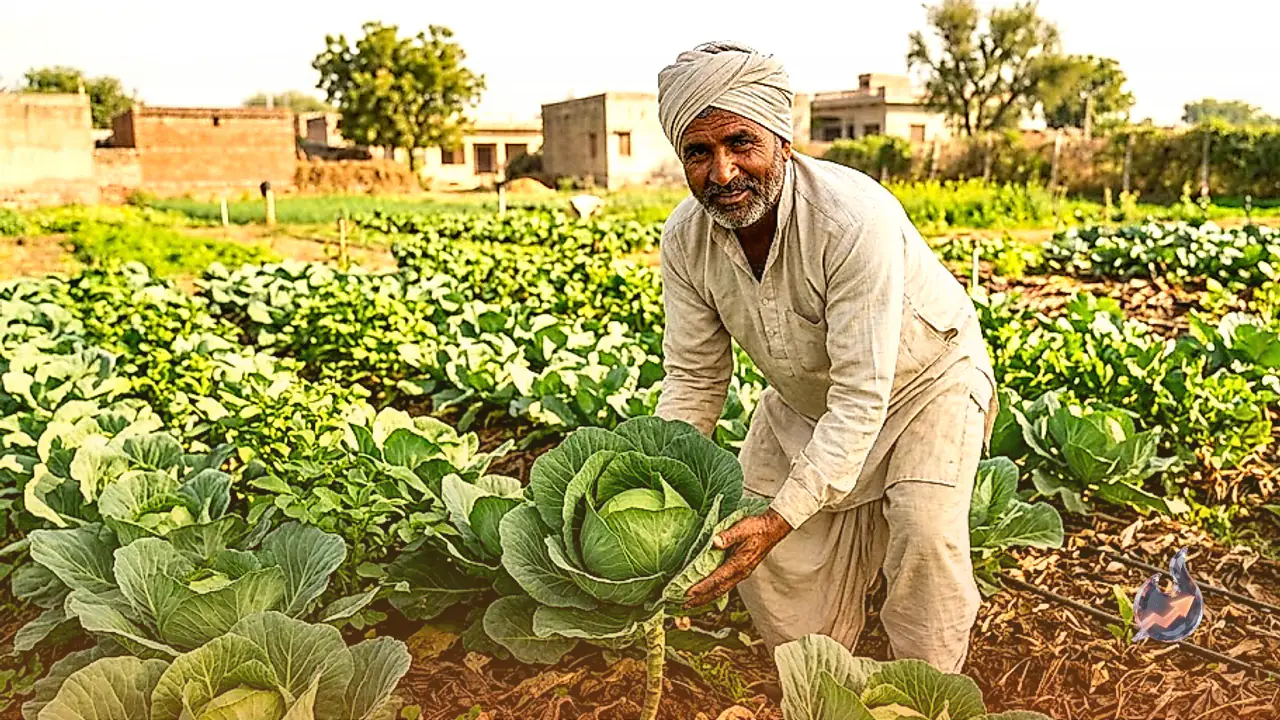



















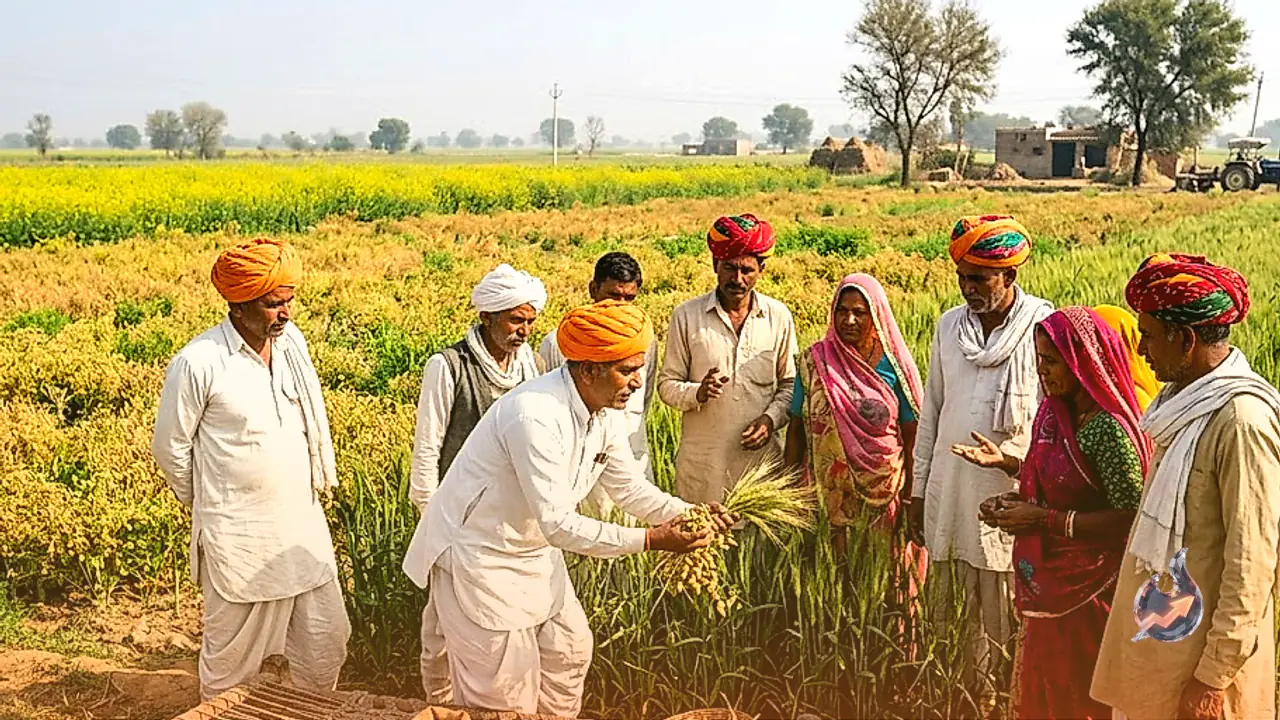

Agriculture in the Bharatpur district of Rajasthan has traditionally revolved around mustard and wheat during the Rabi season. A large number of farmers across the region heavily rely on these two primary crops for their livelihood. However, agricultural experts emphasize that growers should look beyond these conventional choices to discover new avenues for boosting their income. Incorporating options such as gram, barley, pulse crops, and various types of vegetables can significantly alter farm profitability. Selecting the right crop, adhering to proper sowing schedules, and following expert agronomic advice can prove highly beneficial for local cultivators.
Expert Insights On Regional Crop Choices
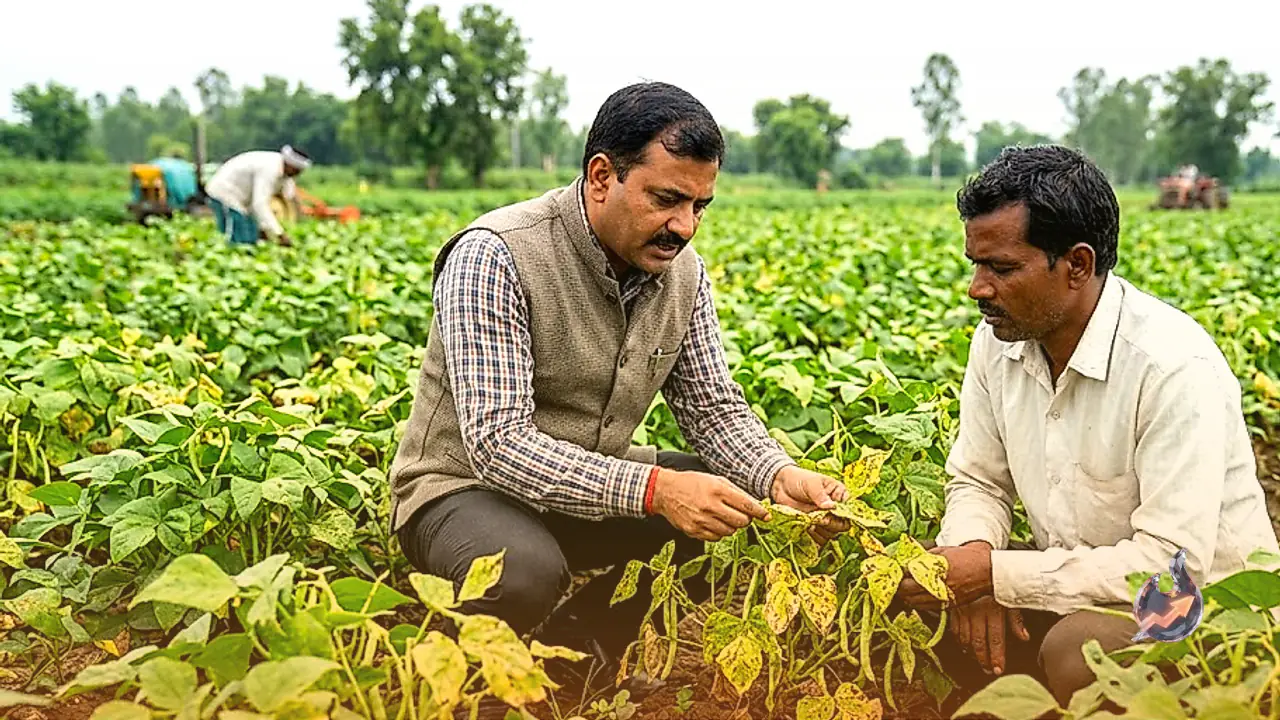
Agricultural expert Dr. Udaybhan Singh explained in a discussion that while mustard and wheat dominate the Rabi season in Bharatpur, farmers have ample opportunity to cultivate gram, barley, and other pulse varieties. The local climate and soil composition support the successful production of these alternative crops. By embracing crop diversification, growers can step away from a total reliance on mustard and wheat and explore more profitable market alternatives that match regional conditions.
Optimal Sowing Windows For Rabi Crops
Timing plays a critical role in achieving a successful harvest. Dr. Udaybhan Singh noted that the ideal window for sowing mustard in Bharatpur runs from the final week of September through October. For wheat, the month of November is considered the primary sowing period. Meanwhile, gram is best planted between October and November, while barley sowing is recommended from late October through November. However, the exact timing must be determined locally by evaluating weather conditions, soil moisture levels, and the specific crop variety being used. Furthermore, depending on field conditions and available irrigation infrastructure, incorporating pulse crops and vegetables broadens agricultural choices and allows farmers to respond effectively to market demands.
Essential Preparation Before Planting
Proper field preparation is vital before initiating any sowing activities. Farmers should ensure thorough land preparation, select certified seeds, conduct soil testing, apply balanced fertilizers, and maintain a timely irrigation schedule. Continuous monitoring for pests and crop diseases is equally important for a healthy yield. By factoring in water availability and local market demand when choosing crops, cultivators can optimize input costs and maximize potential returns. Adopting these diversified practices allows Bharatpur farmers to make their agricultural operations far more profitable and resilient.