























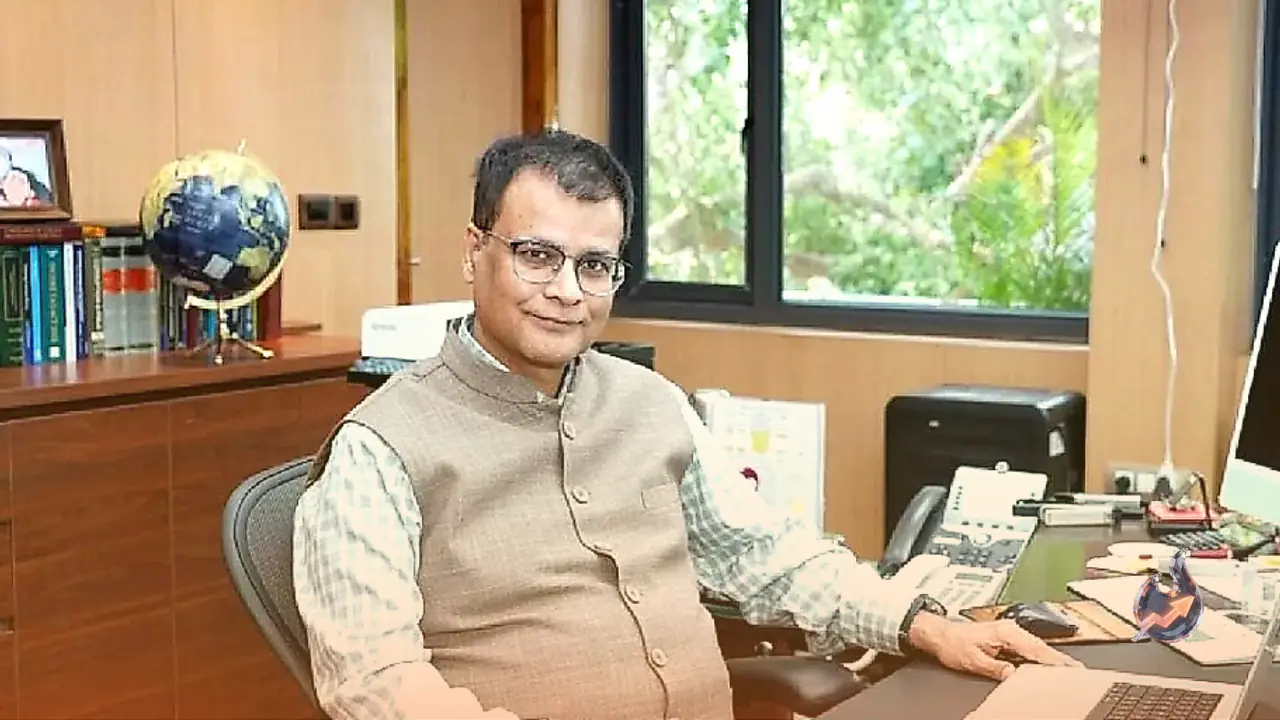

Rahul Navin is set to continue serving as the Director of the Enforcement Directorate as the central government has granted him a one-year tenure extension. The Appointments Committee of the Cabinet approved the extension, ensuring he remains at the helm of the federal anti-money laundering agency until August 13, 2027. According to the official order issued by the ACC on August 8, 2026, the 1993-batch Indian Revenue Service officer's tenure, which was originally scheduled to end on August 13, 2026, has been prolonged by another year.
A notable aspect of this extension is that it covers his service beyond his scheduled date of superannuation on July 31, 2027. The official notification clarified that his tenure will continue until August 13, 2027, or until further orders, whichever is earlier. This continuity at the top leadership level allows the agency to maintain steady oversight on ongoing high-profile financial investigations and policy enforcement tasks across the country.
Educational Background and Tax Expertise
Navin brings more than three decades of experience within the Income Tax Department. Widely regarded as an expert in international taxation, his academic credentials include a B.Tech and M.Tech from the Indian Institute of Technology Kanpur. In addition to his engineering degrees from India, he earned an MBA from Swinburne University of Technology in Melbourne, Australia. A significant portion of his professional career has been dedicated to handling complex international tax matters and cross-border financial transactions.
Extensive Administrative Experience
Throughout his career, Navin has held several critical positions. Between 2004 and 2008, he served in the International Taxation Directorate in Mumbai, where he played a pivotal role in determining tax demands on various offshore transactions involving underlying assets situated in India. Later, he served as the Commissioner of Transfer Pricing from November 2015 to November 2017, overseeing transfer pricing audits relating to intangibles, royalty payments, cost contribution arrangements, inbound and outbound loans, and commodity transactions.
Furthermore, he has shouldered significant responsibilities within the Central Board of Direct Taxes. He worked as an Under Secretary in the Tax Policy Division and subsequently served as a Director in the Foreign Tax and Tax Research Division, cementing his reputation as a seasoned administrator in financial governance and tax administration.