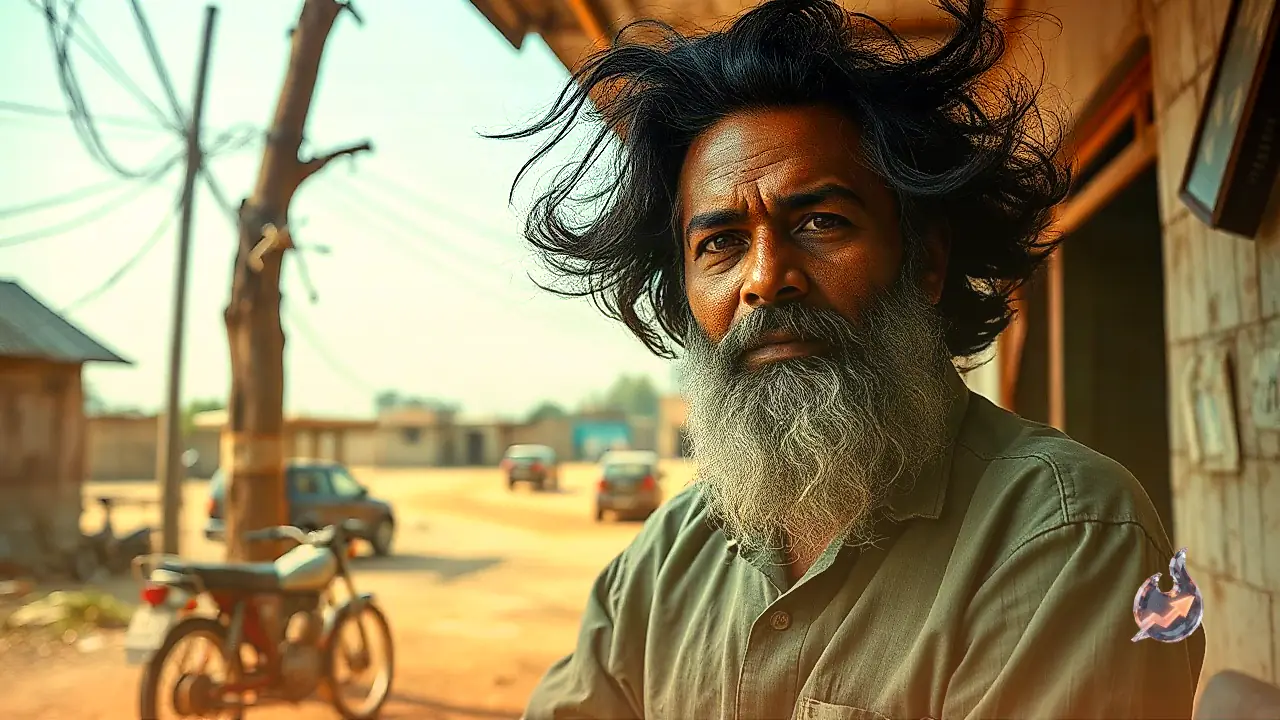

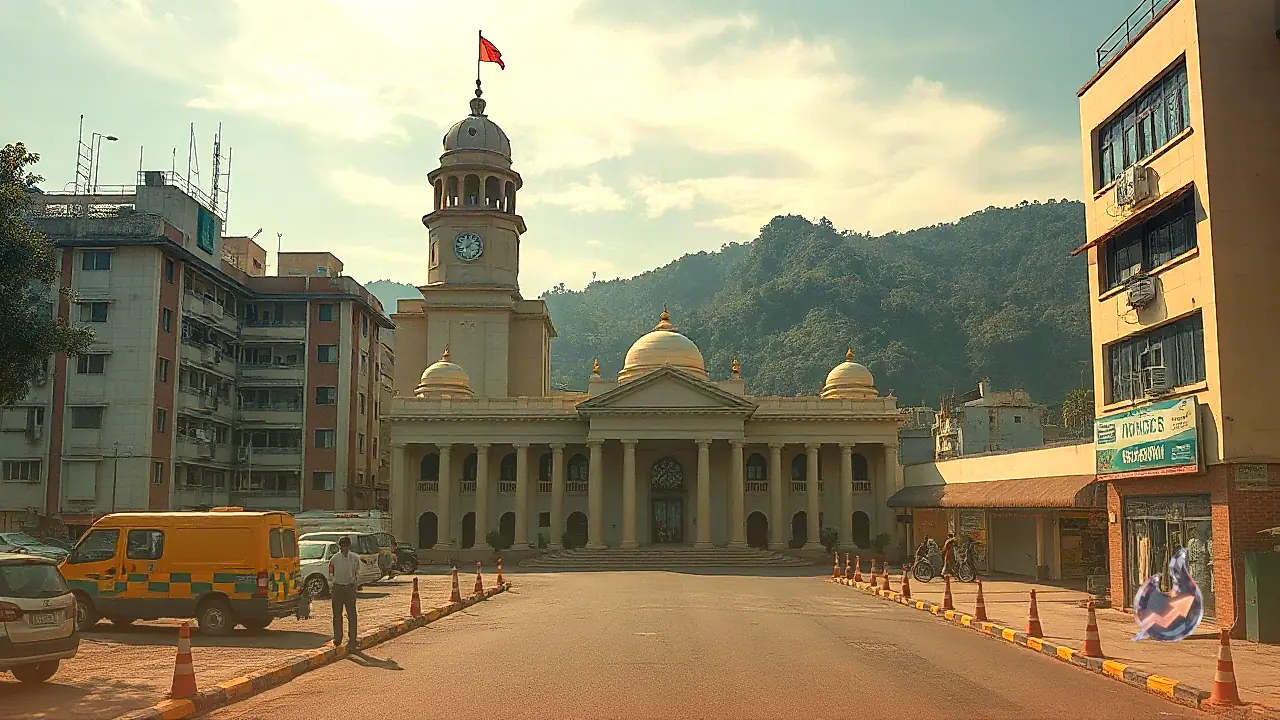
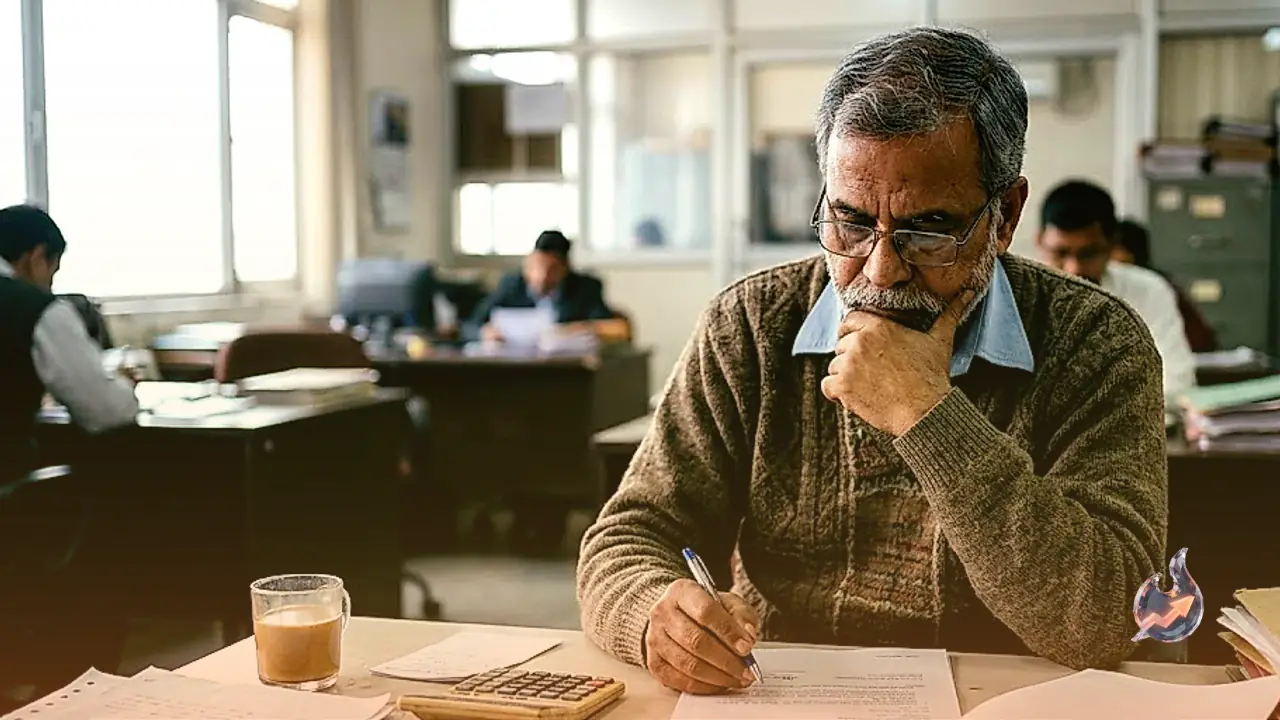














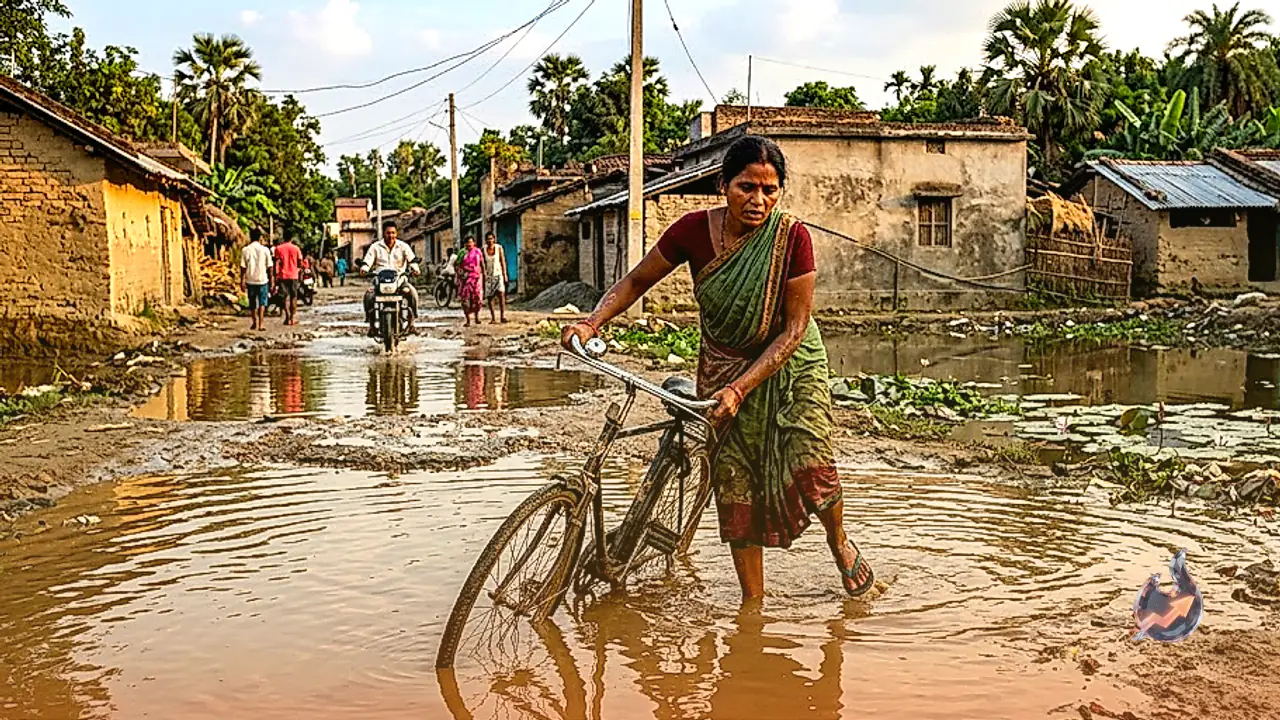

In Chiraiyakot, a stretch of road in Uttar Pradesh's Mau district has stayed in ruins for nearly a decade, and residents say simply walking or driving on it has become a daily hazard. The road links roughly 20 villages, but standing water and deep potholes mean people fall and get hurt almost every day. Despite repeated complaints, no repair work has ever been carried out.
The district's last village, and the leaders who never show up
Resident Mohammad Hashim says this village is the last one in Mau district's Mohammadabad Gohana assembly constituency, sitting right on the border with the Ghazipur and Azamgarh districts. The road connects all three districts and is the main route for around 20 villages, yet it is in such poor shape that someone falls and is injured on it every single day. Because the village sits at the very edge of the district, elected representatives and political leaders almost never visit.
Hashim adds that the picture changes only at election time, when leaders from every party arrive, hand out promises, and then disappear once the votes are cast, leaving development undone year after year. As a result the road has stayed broken. A stretch that should take minutes now eats up more than two hours to cover just 2 kilometres, and during the monsoon the same crumbling road turns into a stretch of standing water that is even more dangerous to cross.
A drain built too high leaves the water nowhere to go
According to Seraj Shah, the road and the drain running alongside it are the village's biggest problem. Water from the drain flows straight onto the road, keeping it permanently waterlogged. He says rain alone isn't to blame, the drain itself plays a big part, it was built, but at such a height that rainwater cannot flow into it properly, so it ends up pooling on the road instead.
That constant waterlogging has carved large potholes into the road, and villagers now have no choice but to pick their way between them. Shah says accidents happen on this stretch every day, and officials have not acted despite repeated complaints. For the village, he says, the road has become a constant headache, and fixing it along with ending the waterlogging would solve the community's single biggest problem.
A choked drain, and no cleaning staff in sight
Iqbal Sulemani says the drain and the road are really one problem. The road floods mainly because the drain is completely choked, and no sanitation worker ever comes to the village to clear it, so the drain is never cleaned and its dirty water simply spills onto the road. The moment it rains, the problem worsens and the entire stretch turns into standing water.
That is when people fall into the potholes hidden underneath and get hurt, Sulemani says, because with the road flooded there is no way to tell how big or how deep any particular pothole is. That, he says, is why accidents keep happening on this road every single day.
When getting to a hospital in time becomes impossible
Ramlal Srivastava and Raj Gupta say that if someone in the village falls seriously ill and needs to reach a hospital quickly, this road makes that almost impossible. Even a little rain fills the large potholes with water, and covering a distance of just 2 kilometres can take more than two hours.
They say vehicles skid in these deep potholes every day, throwing riders off and injuring them. Both residents are demanding urgent repairs so that the village's biggest problem is finally resolved. This is the main road connecting the Ghazipur and Mau districts, used daily by people from around 20 villages, but because it has effectively turned into a stretch of potholes, they say they are forced to deal with serious hardship every single day.