


















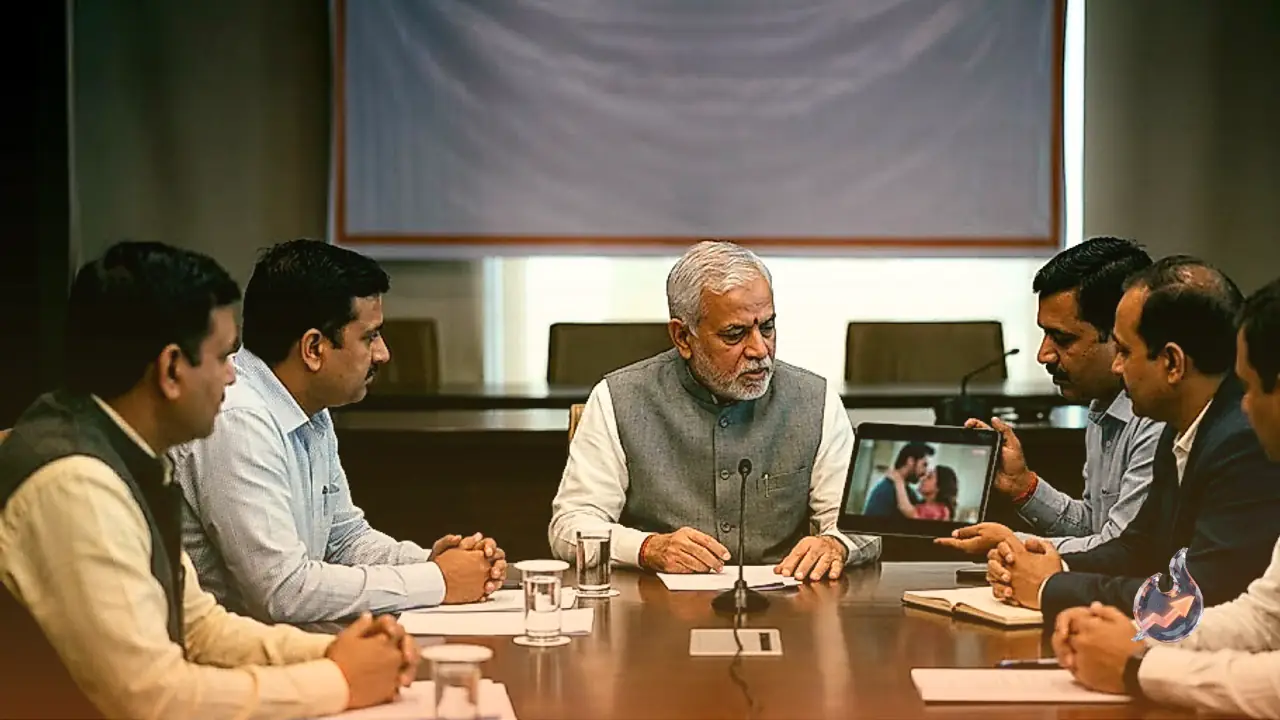

In a direct bid to curb the rising tide of bold and contentious content on digital video streaming platforms, the Rashtriya Swayamsevak Sangh has stepped into the arena. Nearly two years after top Sangh leadership flagged digital content as a driving force behind moral degradation, a special informal panel has been constituted to combat this perceived cultural pollution. According to reports, this dedicated group was established a few months ago and successfully convened its inaugural key meeting last month.
The newly formed informal committee comprises senior pracharaks rooted in the education and cultural sectors, alongside several former vice-chancellors from various universities. Sources within the organization indicate that the panel will deliberate extensively to draft a comprehensive proposal. Once finalized, this detailed document is scheduled to be submitted to the Union Ministry of Culture and other relevant departments of the central government.
The push for stricter regulatory oversight is driven by concerns over protecting families and the younger generation. The Sangh maintains that the unregulated and unfiltered content broadcast on digital platforms is deeply harming the psychological fabric of Indian households, particularly the youth. The panel's core emphasis is on making the establishment of a stringent regulatory body, akin to a censor board for digital platforms, mandatory just as it is for theatrical films.
Insiders have clarified that no strict deadline has been imposed on this informal group. Before submitting its final recommendations to the government, the panel intends to consult legal experts, judges, and constitutional authorities to ensure the proposed regulations remain airtight and protected from potential legal hurdles.
This initiative traces back to observations made by Mohan Bhagwat on October 12, 2024, during his annual Vijayadashami address in Nagpur. At the time, the RSS chief launched a sharp critique of digital entertainment, stating, “OTT platforms show such filthy things that it is shameful to even speak about it... there is a need to regulate it through law as it is a major reason for moral degradation.” He held these platforms directly accountable for spreading perceived distortions within society.
Sangh sources revealed that the decision to institute this panel stemmed directly from feedback gathered through Kutumb Prabodhan, an organizational outreach initiative aimed at reviving traditional family values, strengthening intergenerational bonds, and fostering social harmony. Officials reiterated their stance that digital streaming networks function as prominent catalysts for societal decay.
Traditional cinema releases in theatres must secure certification from the Central Board of Film Certification under the Cinematograph Act of 1952, widely recognized as the censor board. In contrast, digital streaming content operates without a dedicated pre-regulation certification body, falling primarily under the purview of Information Technology rules and associated criminal legislation. Observers have repeatedly highlighted perceived gaps within the existing regulatory framework governing these digital mediums.
Concurrently, governmental actions against regulatory breaches have continued. On July 22 of this year, Minister of State for Information and Broadcasting L. Murugan informed the Lok Sabha in a written reply that the government has blocked 50 OTT platforms from public access over the past two years due to violations involving obscene content, breaches of the IT Act, Section 294 of the Bharatiya Nyaya Sanhita, and Section 4 of the Indecent Representation of Women Prohibition Act.