























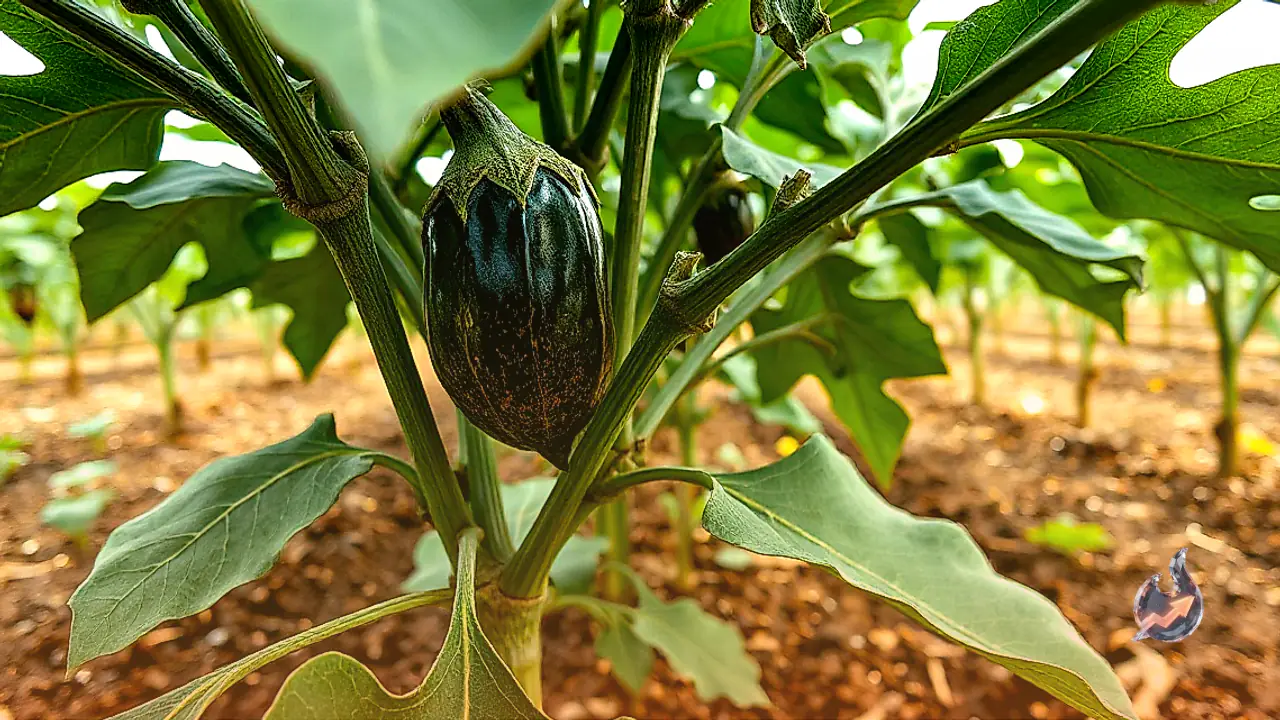

Brinjal growers in Shahjahanpur are facing a severe agricultural challenge this monsoon season as high atmospheric moisture creates ideal conditions for pest infestations. Farmers monitoring their fields have reported a sudden wilting and drying of tender shoot tips and top branches across their crops. Agricultural experts warn that this symptom indicates an attack by the shoot and fruit borer, a highly destructive pest. If left unmanaged, this outbreak can drastically drop crop yields and inflict heavy financial losses on local farming communities.
Understanding the Infestation Mechanism and Damage Symptoms
During the rainy season, adult female moths lay eggs on the tender new leaves and soft stems of brinjal plants. Once the eggs hatch, the emerging caterpillars bore into the young shoots and begin feeding on the inner tissues. As the larvae consume the internal structures, they create elongated tunnels inside the stem. This structural damage disrupts the plant's vascular system, halting the upward transportation of water and vital soil nutrients. Consequently, the upper shoots droop, dry out, and die. Farmers examining affected branches can locate a characteristic tiny entrance hole near the wilting point.
Sharing his field experience, progressive young farmer Ranjodh Singh explained that elevated humidity and warm monsoon temperatures accelerate pest multiplication. When the larvae feed inside the inner stem, the upper portion of the plant is completely cut off from hydration. Without immediate intervention, minor localized damage can rapidly expand into field-wide crop failure.
Mechanical and Biological Pest Control Measures
To curb the spread of the infestation, experts recommend taking prompt mechanical actions at the first sign of damage. Affected branches should be pruned 2 to 3 inches below the visible point of wilting. These cut shoots must be immediately burned or deeply buried in the soil to destroy the larvae contained inside. To break the pest's reproductive cycle, farmers should install 6 to 8 pheromone traps per acre across the field. These traps effectively capture male moths, preventing mating and halting population growth.
Biological interventions offer an eco-friendly layer of protection for brinjal crops. Regular spraying of neem oil acts as a natural repellent and deters adult moths from laying eggs. Additionally, applying the biological agent Beauveria bassiana helps suppress caterpillar populations naturally without harming beneficial insects or damaging soil health.
Chemical Treatment Safety and Agronomic Guidelines
In cases of severe infestation where biological methods are insufficient, targeted chemical intervention becomes necessary under expert supervision. Spraying appropriate dosages of Emamectin Benzoate or Spinosad delivers effective control against the borer larvae. Farmers are strictly advised to execute chemical sprays during the evening hours. Evening application ensures direct exposure when adult pests and larvae are most active while preventing rapid degradation of the chemical compound due to strong sunlight.
Alongside chemical protection, proper agronomic field management is essential to prevent recurring pest attacks. Waterlogging must be avoided in the field, as excess standing water weakens root systems and renders plants vulnerable to diseases and pests. Regular weeding and field sanitation help eliminate alternate host plants. Farmers should also maintain balanced fertilization and refrain from overapplying nitrogenous fertilizers, which cause excessively succulent growth that attracts hungry borers.