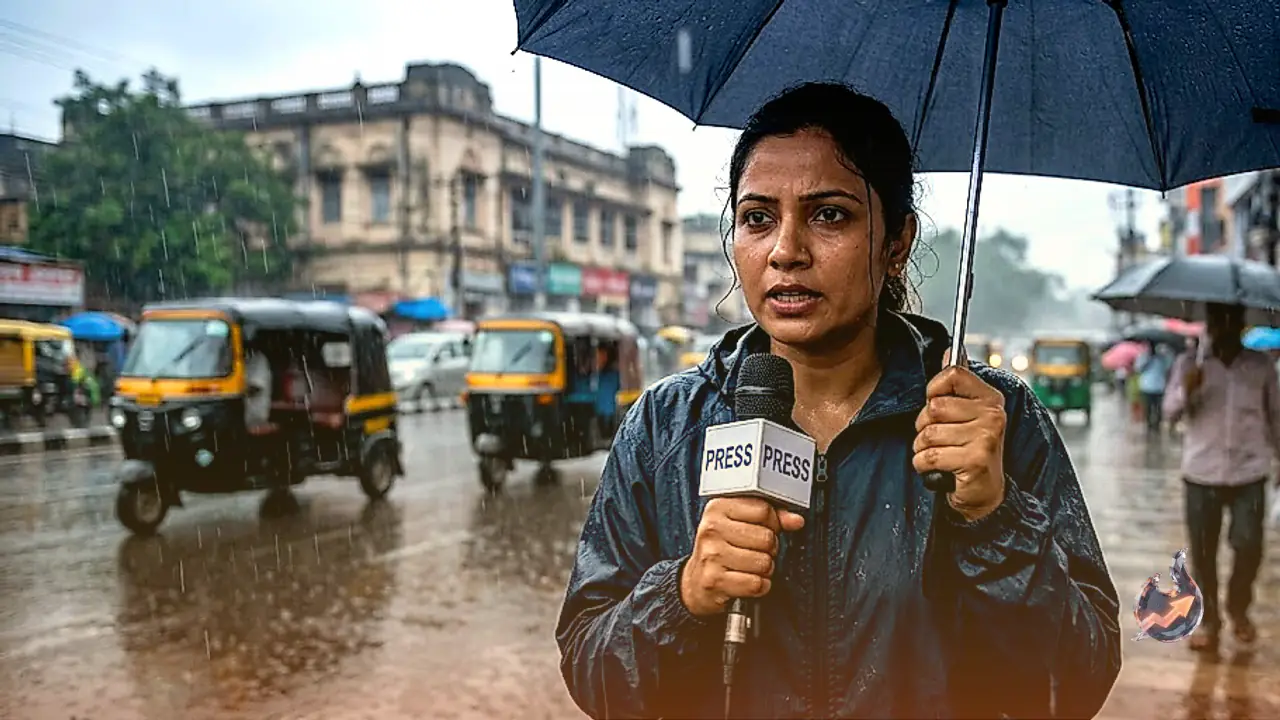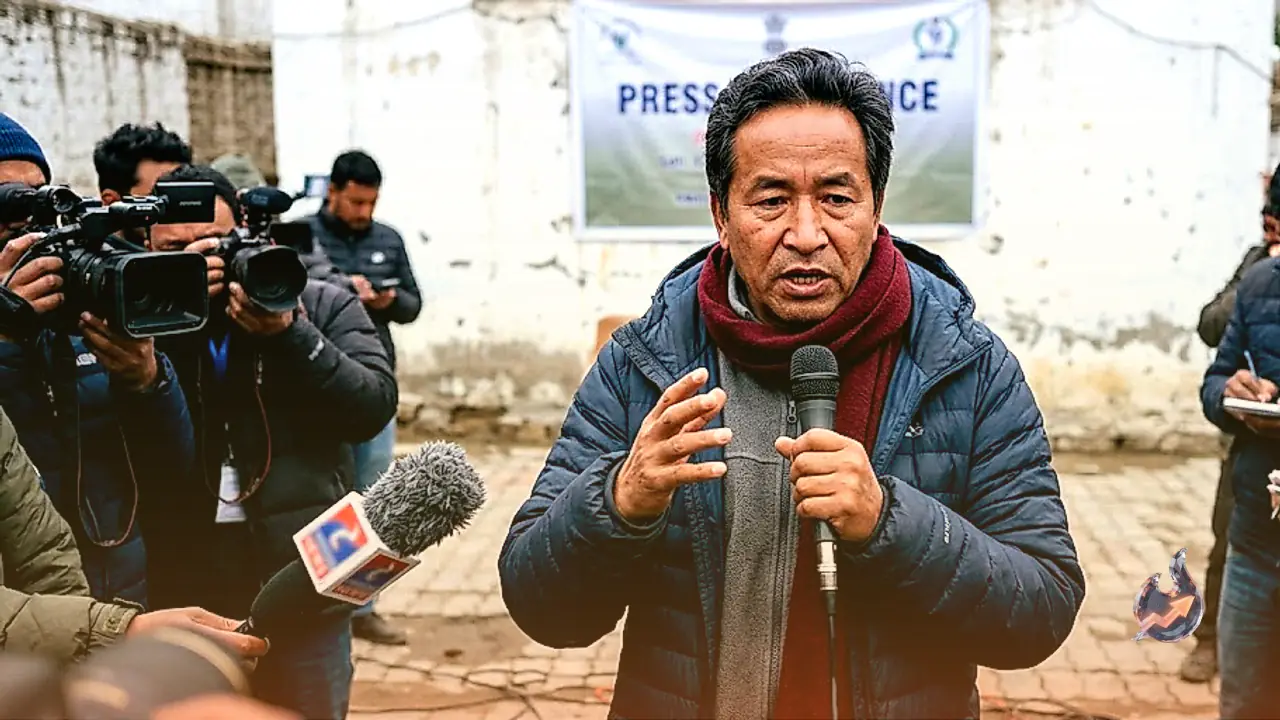

















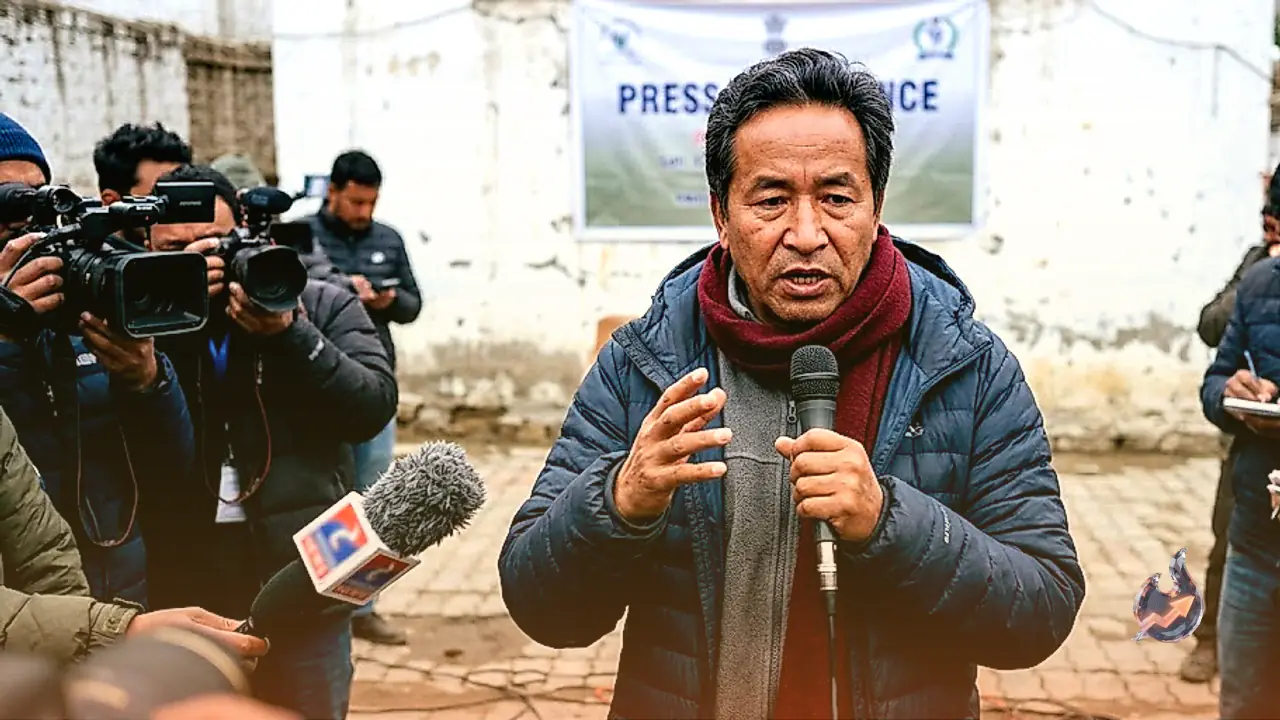

Environmental campaigner Sonam Wangchuk has voiced severe apprehensions regarding his personal safety, stating that his persistent opposition to government policies could lead to him being eliminated in a staged encounter. Speaking at a public assembly in Leh, the activist linked these threats directly to his vocal stand demanding constitutional guarantees for the region. Wangchuk also called for the immediate resignation of Union Home Minister Amit Shah, holding the central leadership politically accountable for the unrest and fatal police firing witnessed in Leh the previous year. He stated that if facing extreme consequences helps awaken the conscience of the nation, he is prepared to bear whatever comes his way.
Anniversary of Leh Clashes and Apprehensions of Targeted Elimination
On September 24, 2025, four people lost their lives during widespread protests demanding full statehood for Ladakh along with constitutional safeguards under the Sixth Schedule. Addressing a gathering held to mark the first anniversary of those fatal clashes, Wangchuk disclosed that he has repeatedly received warnings concerning mortal danger to his life.
Wangchuk recounted that authorities had previously placed him in jail and that he now faces genuine concerns about being executed in a purported encounter. Recalling the cautions given to him by well-wishers, he said, “If it happens, let it happen so that the country wakes up.” He emphasized that intimidation will not deter the broader struggle for local governance, constitutional autonomy, and democratic preservation across the high-altitude region.
Demands for Ministerial Resignation and Public Inquiry
Attributing political responsibility for the deaths during the 2025 protests directly to the Union Home Minister, Wangchuk insisted that governance requires genuine accountability. He stated unequivocally from Ladakh that Amit Shah must step down from office and accept responsibility for the events that unfolded in the region. Wangchuk made grave allegations regarding the security response, asserting that security personnel deployed automatic military firearms, including AK-47 rifles, against local youth, causing fatal bullet injuries to victims' heads and chests.
Wangchuk further pressed the administration to make the judicial investigation report into the incident accessible to the public. Issuing an ultimatum, he warned that if official authorities fail to release the judicial findings, an independent public tribunal would be established to investigate the firing incident and determine the sequence of events without administrative interference.
Questions Over Rahul Gandhi's Silence on High-Altitude Unrest
During his address, the environmentalist also examined the stance of national opposition figures, particularly Congress leader Rahul Gandhi. Wangchuk highlighted how Gandhi had fiercely spoken out when security personnel cracked down on demonstrating students at Jantar Mantar in New Delhi, questioning the deployment of lethal arms against student protesters and demanding Amit Shah's resignation.
While Wangchuk endorsed the demand raised in the capital, he pointedly questioned the Congress leader's silence regarding the grave developments in Ladakh. He remarked that if accountability was rightly demanded over actions against student demonstrators, similar scrutiny ought to apply to Ladakh, where automatic weaponry was turned on citizens resulting in immediate fatalities. Wangchuk reiterated that the quest for justice in Ladakh is not merely an isolated duty of local residents, but a moral obligation for citizens across India.
Shutdown Paralyzes Leh and Kargil as Police Dismiss Accusations
Marking the first anniversary of the September 24 violence, commercial activity came to a virtual halt across prominent pockets of Ladakh on Thursday. Markets, commercial retail establishments, and trade centers remained closed throughout Leh and Kargil. Vehicular traffic on regional thoroughfares dwindled significantly, curtailing regular urban mobility and civic operations.
Wangchuk claimed that the administration's extensive security presence and strict operational restrictions discouraged larger crowds from attending Thursday's memorial assembly. Nonetheless, he asserted that subdued attendance on a single day should not be interpreted as the defeat of the region's broader constitutional movement.
Ladakh Police, however, rejected these contentions, categorizing Wangchuk's allegations as completely false, baseless, and misleading. Law enforcement representatives maintained that no citizens were prevented from attending prayer meetings organized to commemorate the victims of the 2025 violence, adding that security deployments were standard preventive measures designed strictly to preserve public peace.
Reflections on Democratic Assurances and Contemporary Disillusionment
Reflecting on Ladakh's historical alignment with the Indian republic, Wangchuk remarked that the territory chose to integrate with India because the local populace placed deep faith in constitutional democracy and the dignity of human rights. He argued that the current climate of apprehension and administrative heavy-handedness directly contradicts the democratic ideals that motivated Ladakh's historic choices.
Wangchuk observed that governance between 2014 and 2019 under the Bharatiya Janata Party administration functioned relatively smoothly. However, the subsequent lack of responsiveness to core demands regarding Sixth Schedule protections, regional representation, and statehood has fostered deep resentment and unease throughout the territory.