



















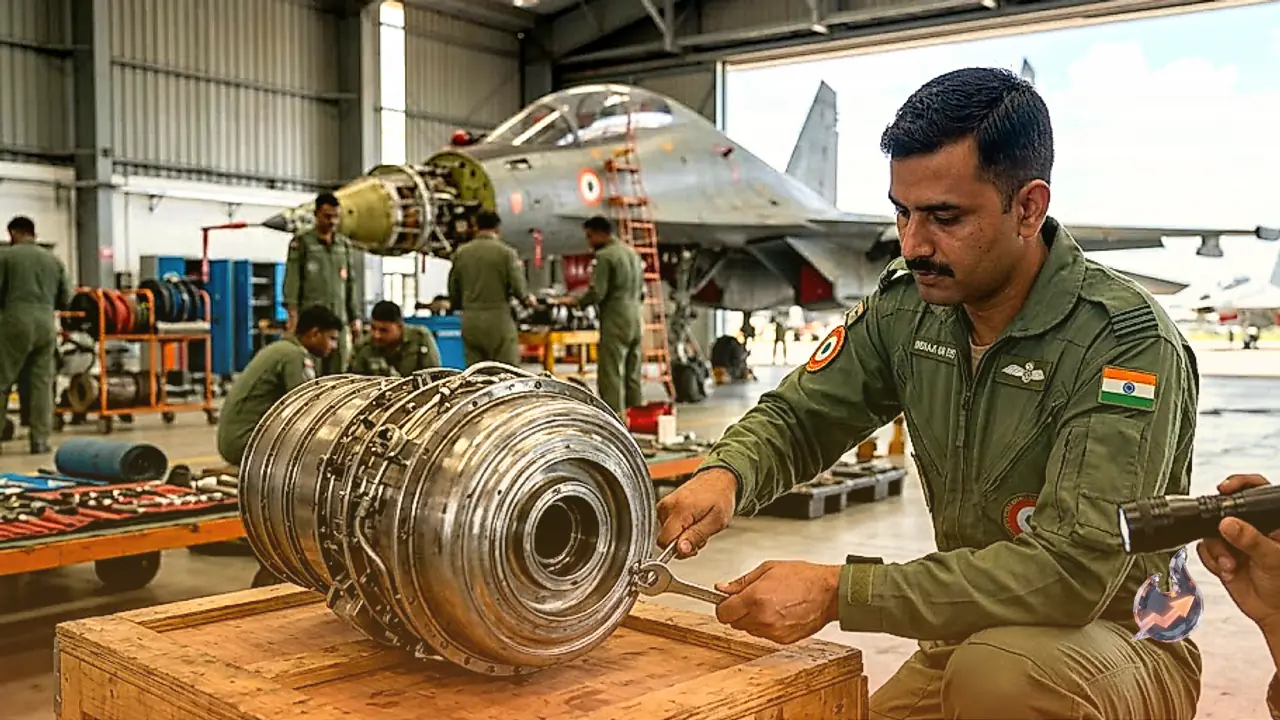

In a major push toward self-reliance in the defense sector, the Indian Air Force has drastically curtailed its traditional dependence on foreign supply chains. Over the past few years, through systematic and concerted efforts, the air force has successfully transitioned around 97 percent of the spare parts required for its daily operational use to domestic manufacturing. For any military force, the uninterrupted and steady availability of components during active conflict serves as the backbone of its combat readiness, and this milestone is fundamentally reshaping the operational capabilities of the force.
Crucial Components and Gear Now Built Locally
To liberate itself from the unpredictability of foreign suppliers and external vendors, the air force has established domestic production channels for numerous vital equipment items and spares across local factories and industries. These domestically produced essentials include aircraft batteries, explosive components tied to ejection systems, pilot life-saving parachutes, fighter aircraft tires, power carts, and various other parts utilized during routine flight operations. An era where meeting these essential requirements necessitated heavy reliance on foreign nations has effectively transformed, resulting in a massive savings of 582 crores in foreign exchange over the past five years alone.
Over 62,000 Parts Manufactured Within the Country
According to data available from the maintenance command of the Indian Air Force, the organization has achieved the remarkable capability to develop and produce roughly 62,300 distinct spare parts within the country. Over the preceding two financial years, the force captured a striking 90 percent share in domestic capital budget expenditures, significantly surpassing the benchmarks established by the ministry of defense. Describing this journey of indigenous transformation, an official noted that through modern innovation and the active participation of private industries, 97 percent of spare parts frequently required by operational units and 93 percent of mandatory spares needed for the overhaul of decentralized fleets are now built domestically.
Su-30 Hydraulic Boosters and the Integration of 3D Printing
To address tactical requirements and bolster its defense posture, the air force has integrated indigenous weapon platforms and systems such as the Akshat and Samar setups into its operational framework. Whenever global supply chains experience disruptions, the domestic production of crucial spares emerges as a vital safeguard. The air force has indigenized 76 varieties of escape air explosives utilized within fighter aircraft ejection seats, 207 power carts, and eight distinct types of pilot parachutes. Furthermore, hydraulic boosters deployed in Su-30 aircraft are now being manufactured locally. To minimize dependence on imported components, a dedicated 3D printing facility was established in 2022, operating effectively to fulfill urgent on-demand requirements. In tandem with these steps, the air force continues to collaborate with private industries on various innovation projects aimed at large-scale domestic production.
Sustaining Fleets of Foreign-Origin Aircraft and Defense Platforms
Despite these extensive indigenous strides, the Indian Air Force continues to operate a massive fleet of foreign-origin aircraft that require continuous imports of specialized spare parts, aggregates, engines, avionics, and specialized repair support. This inventory encompasses Russian-origin platforms such as the Su-30MKI, MiG-29, Mi-17 helicopters, and An-32 transport aircraft, alongside French-built Mirage-2000 and Rafale fighters, alongside other international systems.
Drawing Lessons from Global Conflicts and Securing Future Operations
The Su-30MKI remains one of the core frontline fighters of the air force, generating a steady and ongoing requirement for dedicated spare parts and specialized components. The air force has issued numerous tenders for the procurement of Su-30MKI spare parts extending through 2026. The ongoing conflict between Russia and Ukraine vividly exposed the vulnerabilities associated with relying entirely on foreign supply chains for critical components. The war caused noticeable bottlenecks in dispatching major components like aero-engines, essential avionics, and specialized weaponry abroad for maintenance and overhauls. In response to these hurdles, the air force launched specialized projects aimed at extending the lifespan, repairing, and overhauling Russian-built aircraft, engines, avionics, and electronic warfare systems. Concurrently, the air force is actively cooperating with Russian enterprises and domestic Indian industries to manufacture and service Russian-origin spare parts entirely within India.