























The central government is moving toward tightening regulations surrounding retail pharmaceutical sales across the country. Under a newly prepared proposal, medical stores in local neighborhoods will soon operate under continuous CCTV surveillance. This initiative is aimed at curbing the unauthorized sale of medicines without a doctor prescription and strengthening public health safeguards.
Mandatory Surveillance And Recording Retention
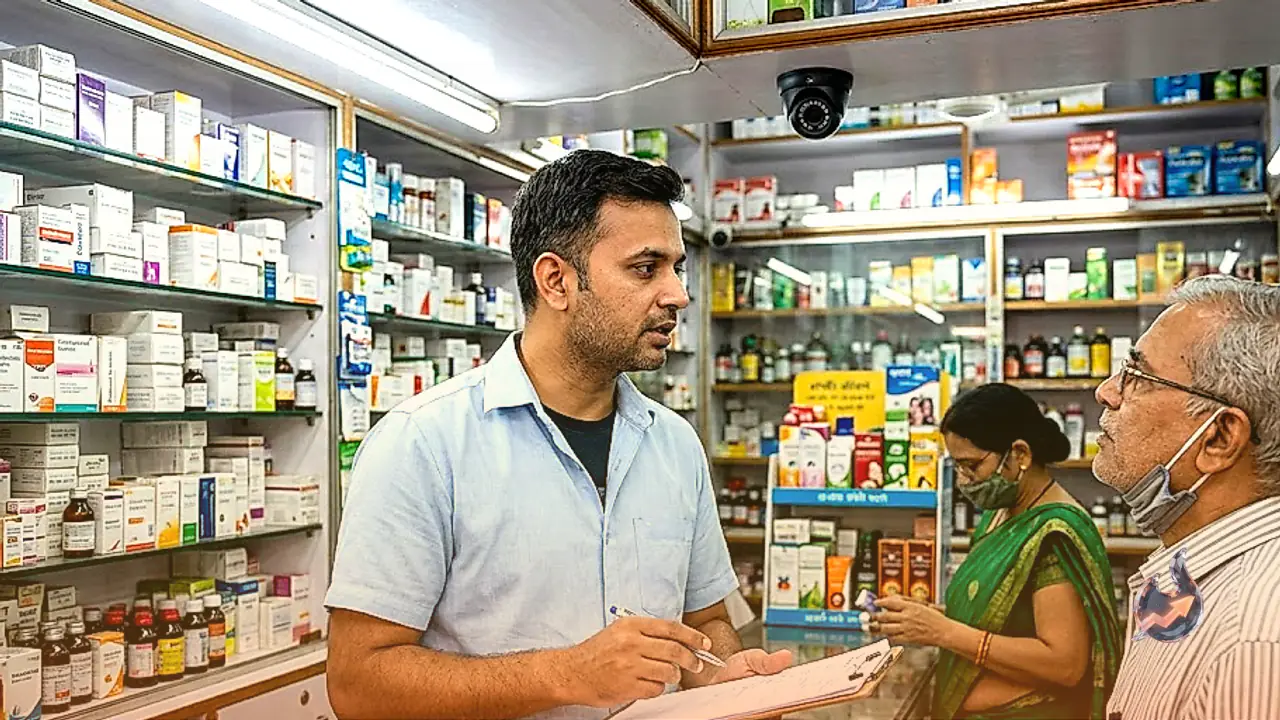
According to the newly drafted guidelines, every pharmacy and medical store operator will be required to install CCTV cameras inside their premises. These cameras must remain operational around the clock, and store owners will be obligated to preserve the footage and recordings for a minimum duration of three months. Officials expect this measure to significantly increase accountability among retail druggists.
Prescription Mandates To Stop Unregulated Sales
The regulatory framework has been designed primarily to crack down on the widespread practice of dispensing medicines without proper prescriptions. In light of rising concerns regarding unregulated distribution, the government intends to eliminate arbitrary sales entirely. Enhanced monitoring will grant ordinary citizens greater transparency and safety when purchasing essential pharmaceuticals.
Draft Released For Public Review And Feedback
At present, the entire regulatory framework exists as a draft proposal that has been made available to the general public. Stakeholders, industry experts, and citizens have been given a window of thirty days to submit their feedback, objections, and suggestions on the draft. Once this designated review period concludes, authorities will evaluate the inputs before finalizing the rules.
Curbing Counterfeit Drugs And Increasing Accountability
Industry experts suggest that implementing these surveillance mandates will also help control the circulation of counterfeit, substandard, or incorrectly dispensed medications. Furthermore, the measures are expected to elevate the operational responsibilities and professional accountability of registered pharmacists. The core objective of the administration remains establishing complete oversight over retail drug distribution to prevent arbitrary practices.