






















Sugarcane is cultivated on a massive scale in the Lakhimpur Kheri district of Uttar Pradesh. The arrival of the monsoon brings ideal conditions for rapid sugarcane growth due to ample soil moisture. However, while the rainy season accelerates crop development, it also creates an environment conducive to severe pest infestations and fungal infections. Agriculture experts emphasize that if farmers fail to adopt timely crop management practices during the month of August, both the overall yield and sugar quality can suffer drastically. Critical tasks required during this phase include sugarcane propping or tying, pest and disease management, field drainage, and balanced nutrition.
Why Sugarcane Tying is Essential to Prevent Lodging
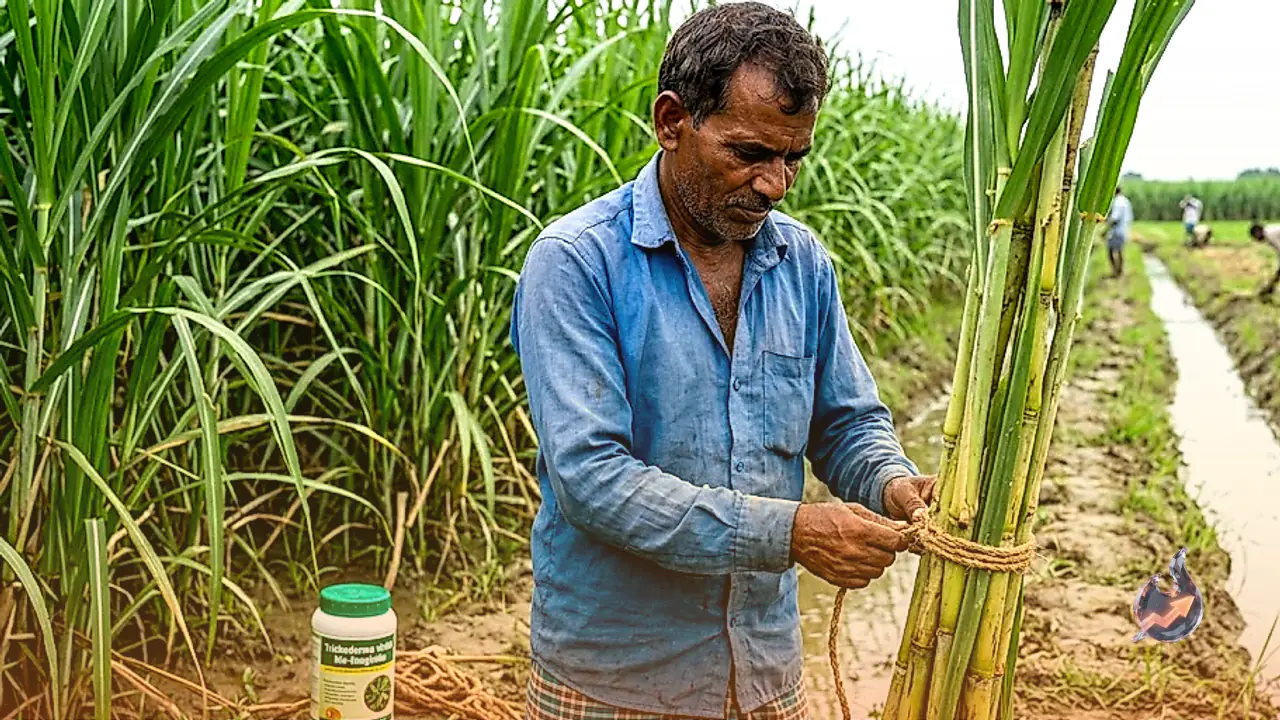
As sugarcane stalks gain height in August, they become vulnerable to strong winds and high-intensity rainfall. This structural collapse of standing crops is technically referred to as lodging. When sugarcane plants fall over, stalk development comes to a halt, and harvesting the crop later becomes extremely challenging for farmers. Agricultural scientist Dr. Pradeep Kumar Bisen points out that tying sugarcane stalks in August is a vital preventive measure. Under this method, stalks from one row are bound together with those from an adjacent row using the crop's own leaves. Binding rows together provides mechanical stability, ensuring the crop remains upright despite severe storms. Moreover, proper propping allows adequate sunlight and air circulation through the field, fostering healthier and thicker stalk development.
Managing Red Rot Disease and Fungal Threats
Among monsoon crop hazards, red rot disease is considered one of the most destructive fungal infections affecting sugarcane. Often described as sugarcane cancer, an unmanaged outbreak of red rot can wipe out entire standing crops. The disease manifests visually through the yellowing and subsequent drying of sugarcane leaves. To contain this threat at its inception, agricultural experts advise applying Trichoderma based bio-fungicides. Trichoderma acts as a beneficial biological agent that suppresses harmful soil-borne pathogens and strengthens the root system of the crop.
Ensuring Proper Field Drainage to Avoid Root Rot
Excess water standing in fields for prolonged periods poses a major threat during the rainy season, as waterlogging leads to root rot. When roots rot from excess water, the plant loses its ability to absorb nutrients, halting growth completely. To safeguard the crop against waterlogging damage, farmers must establish effective drainage channels across their fields. Wherever standing water accumulates in low-lying patches, temporary field drains should be dug immediately to flush out excess water. Combining effective propping, disease control with bio-fungicides, and proper drainage enables farmers to protect their harvest and maximize yield.