

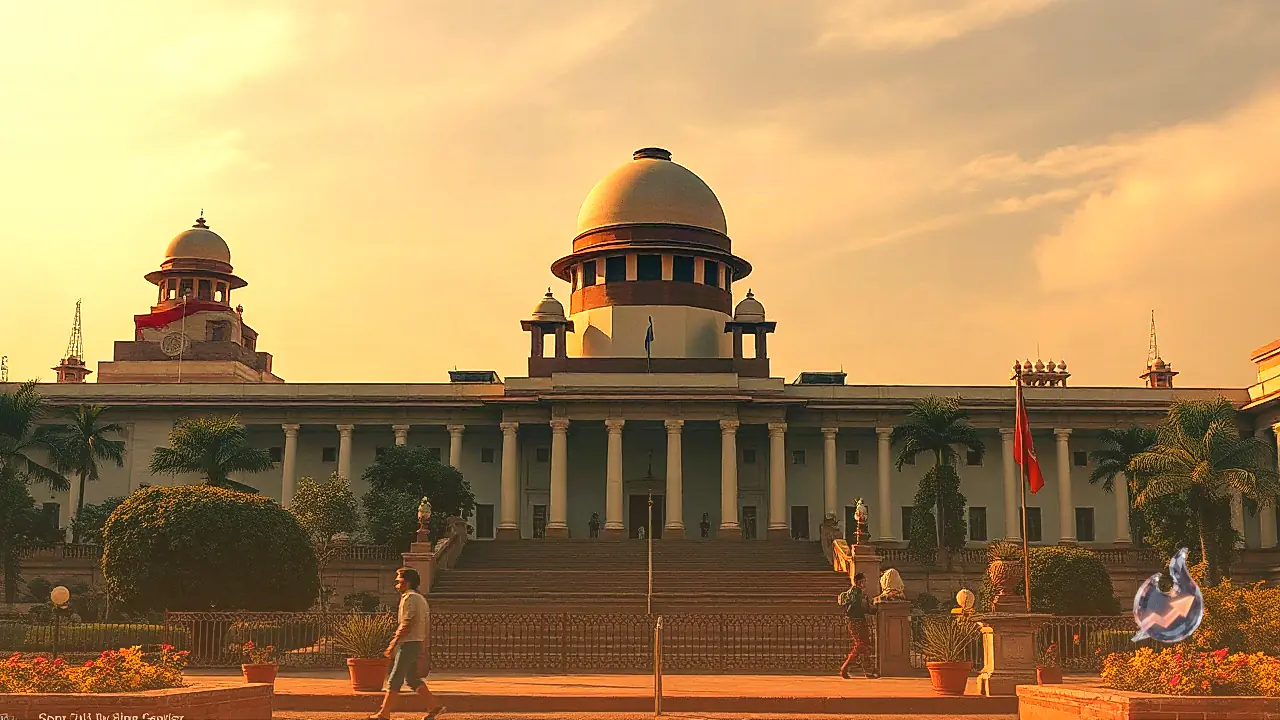





















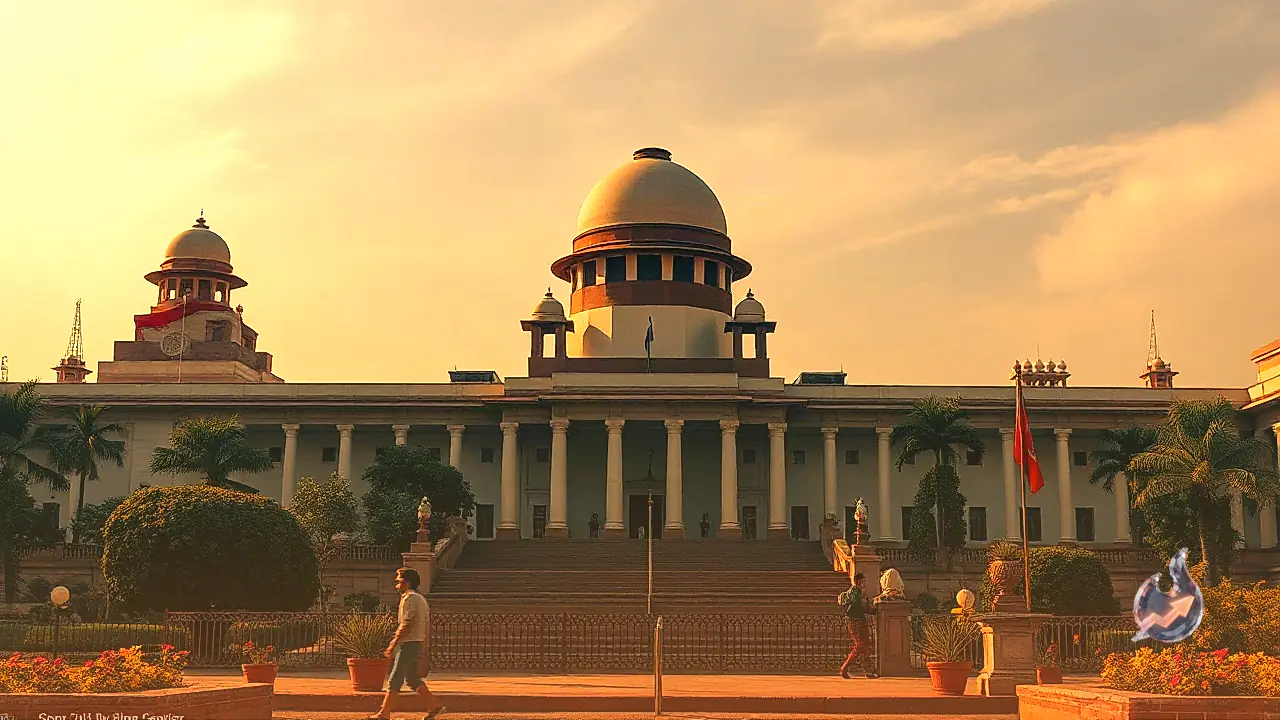

The Supreme Court of India has formally dismissed a public interest litigation seeking to conduct all court proceedings and official operations entirely in the Hindi language. The petition, submitted by Brahmeshwar Nath Mishra, had urged the court to direct the central government to establish a dedicated commission to collect recommendations on designating Hindi as the official operational language of the apex court. A three-judge bench comprising Chief Justice Surya Kant, Justice Joymalya Bagchi, and Justice V. Mohana rejected the plea outright, emphasizing that fundamental linguistic and policy transitions cannot be enforced through the blunt instrument of judicial commands. The judges underscored that managing the language of administration is fundamentally a matter of institutional judgment and systemic readiness.
Why the Bench Refused Directives for a Dedicated Commission
During the courtroom proceedings, counsel representing the petitioner argued that the court holds the authority under constitutional provisions to order the Union government to constitute an inquiry commission for this matter. Chief Justice Surya Kant immediately intervened to dispel the notion that judicial decrees can resolve such sweeping administrative questions. Addressing the petitioner directly, the bench observed that systemic reforms unfold progressively and in measured phases, adding that the institution is already actively pursuing such internal improvements. The bench maintained that an abrupt switch in the primary working language of the highest judicial forum cannot be dictated overnight by a court directive.
Expanding Hindi and Regional Language Summaries in Judgments
Addressing the concern for accessibility, the bench highlighted that the Supreme Court already maintains an active awareness of India's linguistic diversity. Justice Surya Kant explained that the court has begun providing concise summaries of all its judgments in Hindi, noting that plans are in place to extend this translation initiative across other regional languages as well. The judges reaffirmed their commitment to preserving India's multilingual heritage, ensuring that every regional language receives equal respect within the justice system. The court made it clear that modern technology and translation mechanisms are continually being utilized to build a more inclusive environment for litigants across the country.
The Supreme Court Roadmap for Administrative Reforms
The bench clarified that ongoing linguistic improvements are being systematically handled at an administrative level, making external panels redundant. Imposing a new commission would likely produce procedural bottlenecks rather than delivering practical progress toward language inclusion. The apex court is steadfastly pursuing its objective of bringing judicial outcomes within the reach of ordinary citizens in languages they readily understand. Unconvinced by repeated entreaties from the petitioner to reconsider, the three judges formally dismissed the petition and closed the file permanently.