

















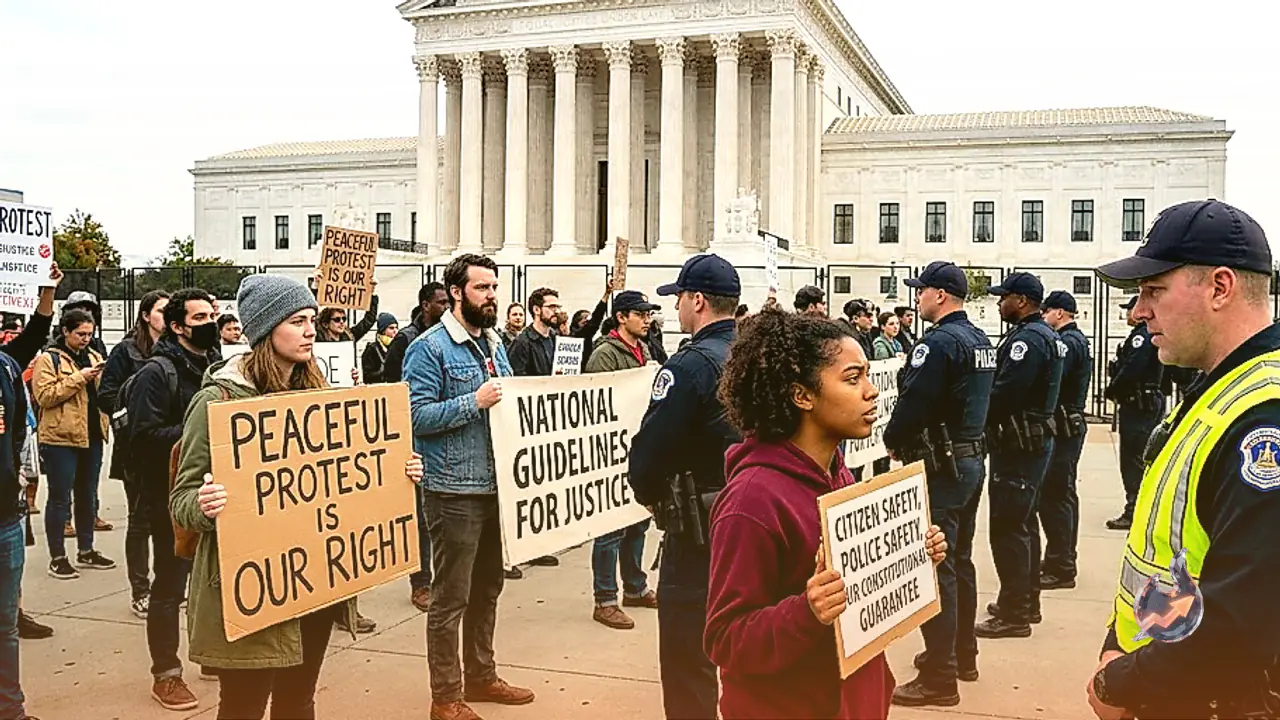

The Supreme Court of India emphasized on Monday that the right to engage in peaceful demonstrations is a core constitutional guarantee that must not be infringed upon. Responding to a series of petitions concerning police action during public demonstrations, the bench indicated that it is contemplating the establishment of a uniform nationwide protocol to govern peaceful protests across the country. The proposed framework aims to balance citizen rights with public order by establishing designated protest venues while giving law enforcement officials adequate latitude to manage anti-social elements effectively.
Constitutional Guarantee and the Proposed Framework
During the proceedings, the bench comprising Chief Justice of India Surya Kant, Justice Joymalya Bagchi, and Justice V. Mohana highlighted the necessity of a standardized national mechanism. Chief Justice Surya Kant remarked, "The right to peaceful protest is fully guaranteed under the Constitution and cannot be denied." The bench firmly noted that the mere occurrence of a public demonstration does not offer justification for police excesses.
Addressing the mechanics of public gatherings, the Chief Justice explained that a clear protocol would streamline demonstrations. Under such guidelines, authorities would allocate designated spaces where citizens can exercise their rights peacefully without unnecessary hindrances. At the same time, the framework would ensure that law enforcement agencies retain full operational freedom to handle any anti-social individuals who attempt to disrupt order.
Background of Petitions: Student Protests and Police Action
The court was hearing multiple petitions centered on allegations of excessive force deployed by police against protesting students. These demonstrations arose following controversies surrounding the NEET-UG paper leak and other reported irregularities in the broader education and examination frameworks. Petitioners alleged that law enforcement officers improperly subjected student demonstrators to baton charges and tear gas shells.
Senior advocates Gopal Sankaranarayanan, Colin Gonsalves, and Vikas Singh appeared on behalf of various petitioners. They pressed the court to order disciplinary and legal action against police personnel responsible for the alleged violence against student groups demanding transparency in competitive examinations.
Concerns Over Police Safety and Crowd Violence
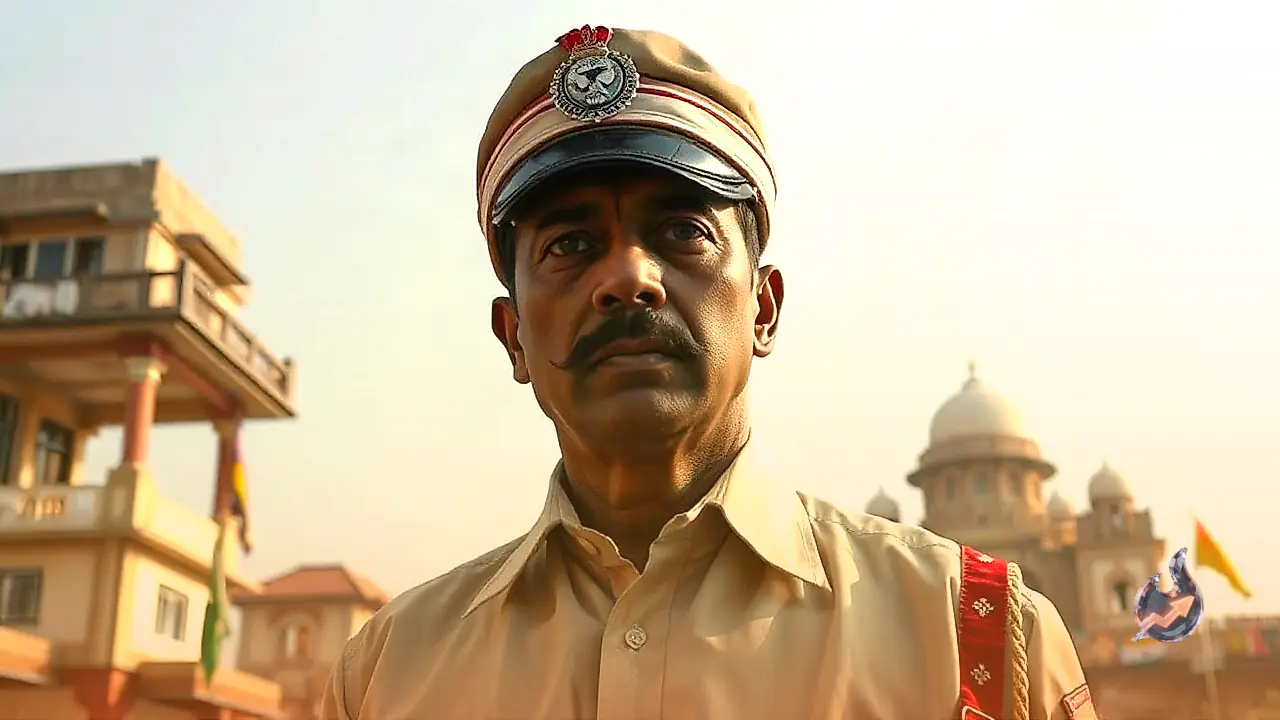
While examining police conduct, the Supreme Court also addressed the risks faced by law enforcement officers during public agitations. An advocate representing a separate petition brought to the bench's attention incidents where unruly crowds violently targeted police personnel and their families, resulting in serious injuries.
Acknowledging this dimension of public order, Justice Joymalya Bagchi observed, "Injury to police is equally a matter of concern." He added that the court could require state governments to explain why sufficient protective measures were not instituted to safeguard officers on duty. The bench emphasized that any regulatory approach must treat safety standards for both peaceful protestors and security personnel with equal gravity.
Need for Uniform Guidelines Across the Nation
Concluding the session, the Supreme Court stressed that addressing protest management requires a synchronized national strategy rather than piecemeal local responses. The bench stated that formulating comprehensive guidelines will help maintain consistency across all states and union territories. Further deliberations on framing these guidelines and reviewing state responses are scheduled to continue on Tuesday.