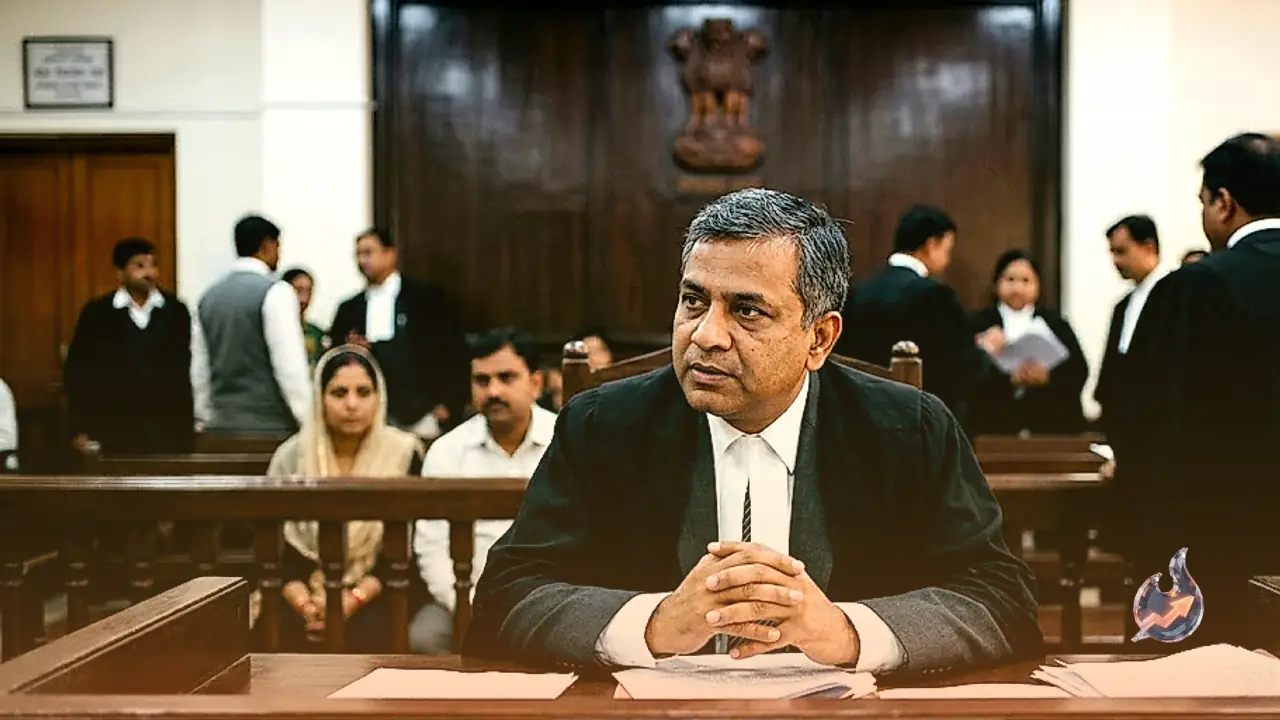

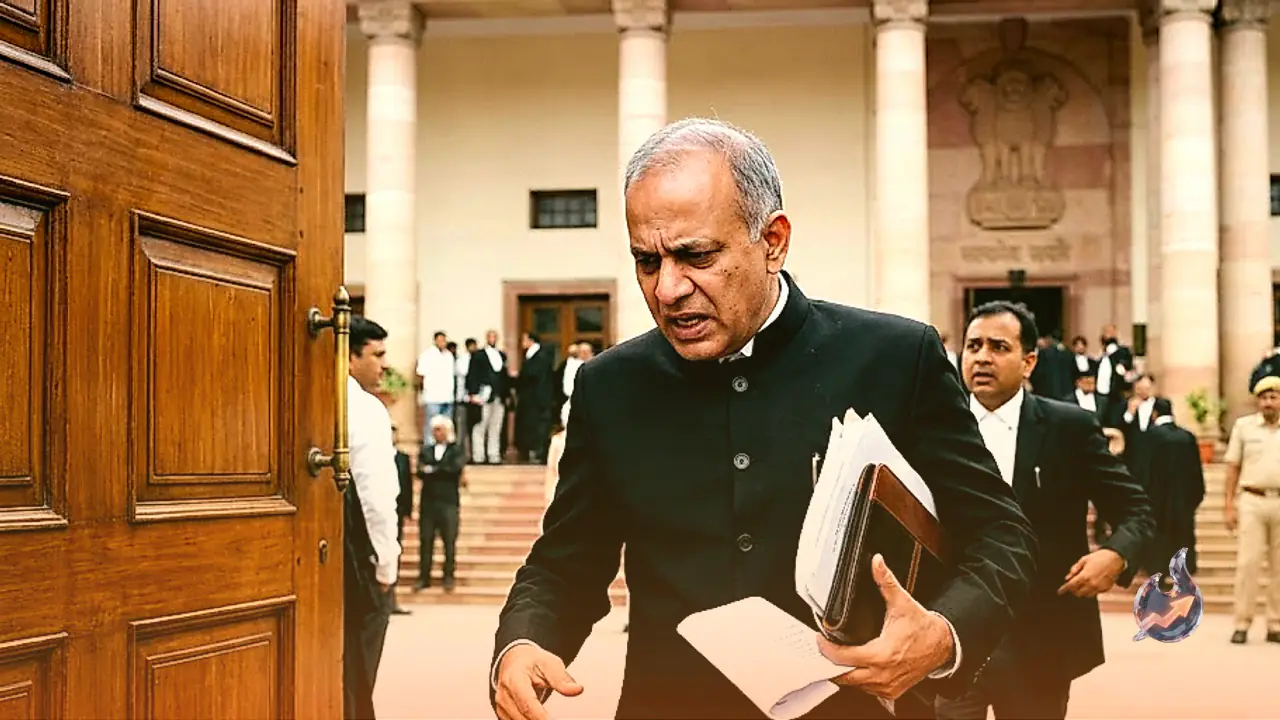



















A sharp procedural dispute unfolded in the Supreme Court over the sudden deletion of a Central Armed Police Forces (CAPF) matter from a scheduled hearing list. The judges voiced severe displeasure after learning that a case placed before a regular bench was removed without informing the sitting judges. The court pointedly observed that altering the allocation of cases through backdoor methods raises fundamental questions regarding institutional transparency. Serious reservations were also expressed regarding the conduct of government counsel who mentioned the matter before the Chief Justice of India (CJI) without prior intimation to the opposing parties.
Case Vanished From the Cause List Moments Before Hearing
The controversy emerged when the matter was duly scheduled for a hearing before the regular division bench of Justice Ujjal Bhuyan and Justice Atul Chandurkar. The legal teams and litigants were fully prepared inside the courtroom to commence arguments. Just before proceedings were to begin, the case was abruptly struck off from the cause list. Shockingly, the bench entrusted with adjudicating the dispute had not been given even the slightest intimation regarding the removal.
Taking immediate exception to this irresponsible handling, the concerned bench summoned answers from the registry. The judges sought clarity on who authorized the reshuffling of judicial files without the explicit knowledge or consent of the sitting judges. Later that evening, an official notice was uploaded to the Supreme Court website confirming that the case had been transferred to a special bench.
Objections to Secret Mentioning and Backdoor Allocation
When the controversy landed before the special bench comprising Justice Manoj Misra and Justice Ujjal Bhuyan, the explanation submitted by the registry drew sharp reactions. The registry clarified that government counsel had orally mentioned the proceeding directly before the CJI. The state side justified this by arguing that the contempt case directly hinged on the validity of the principal statute, a legal question already under consideration by the special bench.
The court took strong objection to the failure to take the opposing parties into confidence before approaching the CJI. The judges questioned why such an extraordinary step was taken without putting the sitting regular bench on notice. Emphasizing the sanctity of open court proceedings, the bench remarked that clandestine administrative shifts directly undermine public trust in the transparency of judicial administration.
Contempt Matter Tagged With Constitutional Challenge for October 15
The substantive dispute stems from friction between an ongoing contempt petition and challenges to the constitutionality of the governing statutory framework. The special bench is examining petitions whose final outcome will directly influence whether contempt proceedings can be sustained. This intersection formed the basis of the attempt to club the matters together.
After examining the explanation provided by the registry and hearing the arguments presented, the Supreme Court formally tagged the contempt case with the substantive petition challenging the validity of the principal statute. The combined dispute is now scheduled for its next comprehensive hearing on October 15.