



















Millions of sailors keep the world's daily life moving, yet the dangers they face at sea rarely make headlines. With a ceasefire now in place between the United States and Iran, the guns may have fallen silent in West Asia, but the conflict has left behind serious questions about maritime safety, global trade and the lives of seafarers. In the middle of that fighting, the deaths of three Indian sailors pulled the world's attention toward the risks that those who work on the water confront every single day.
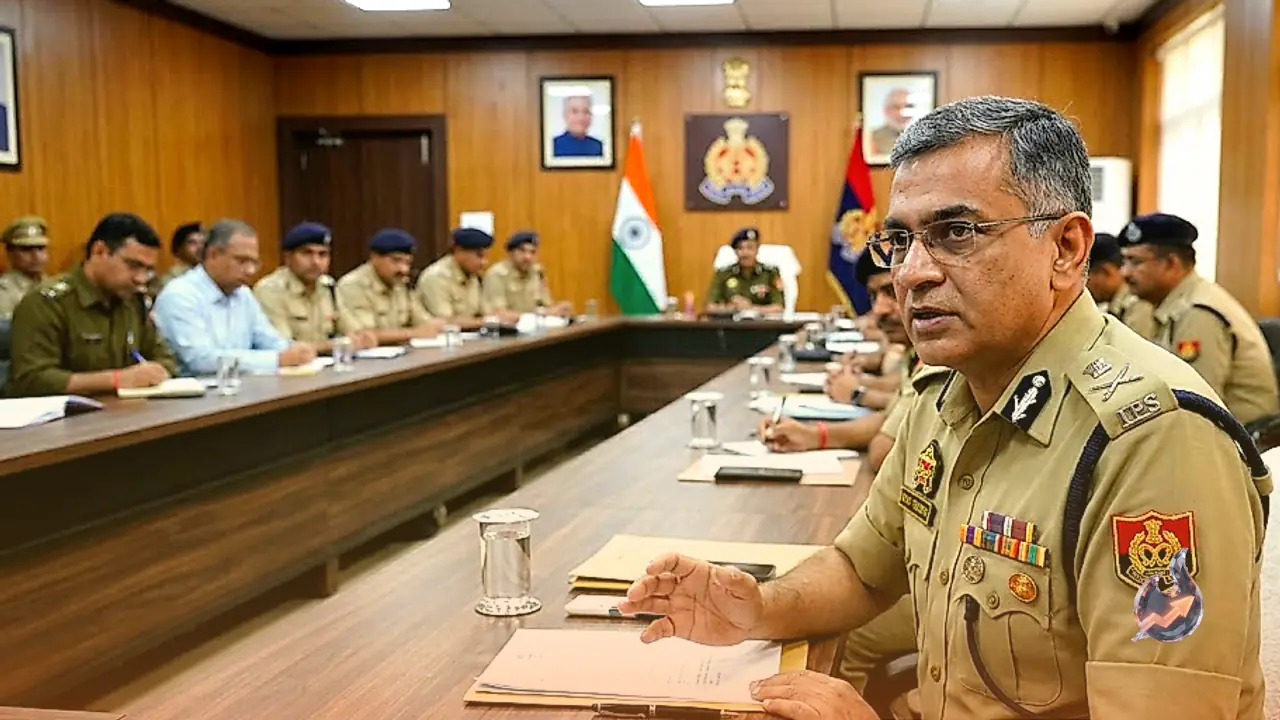
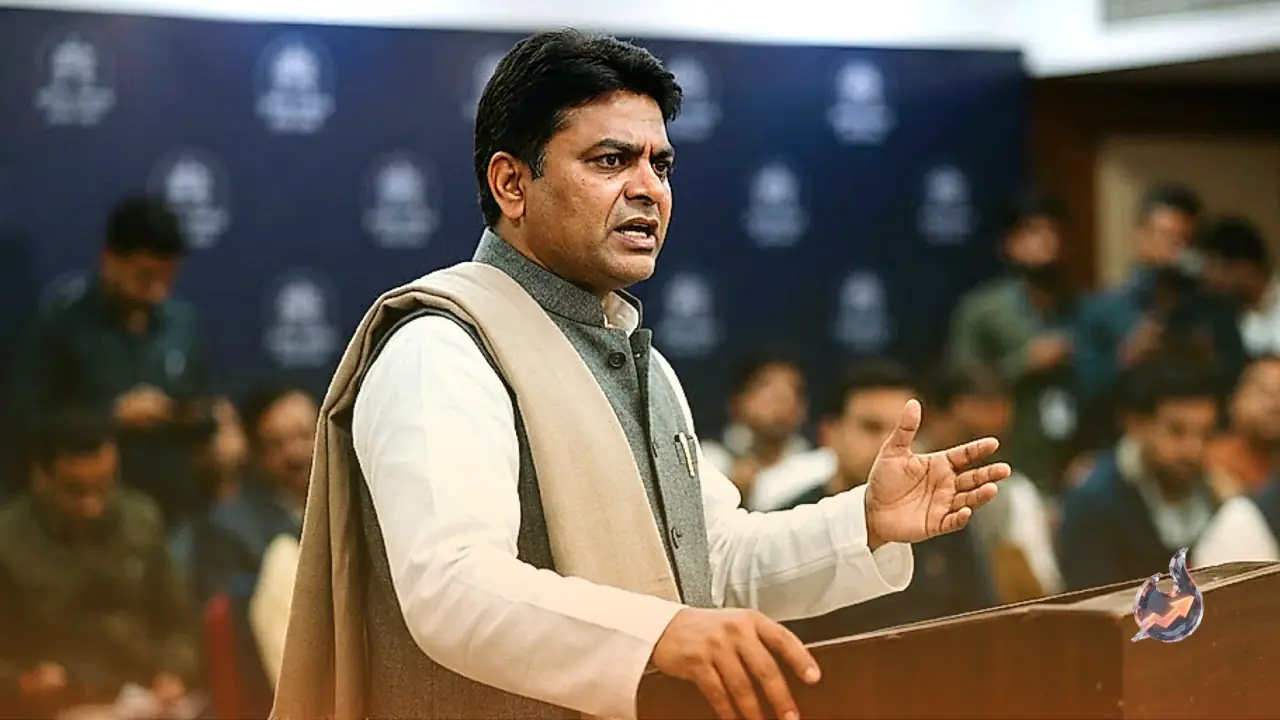
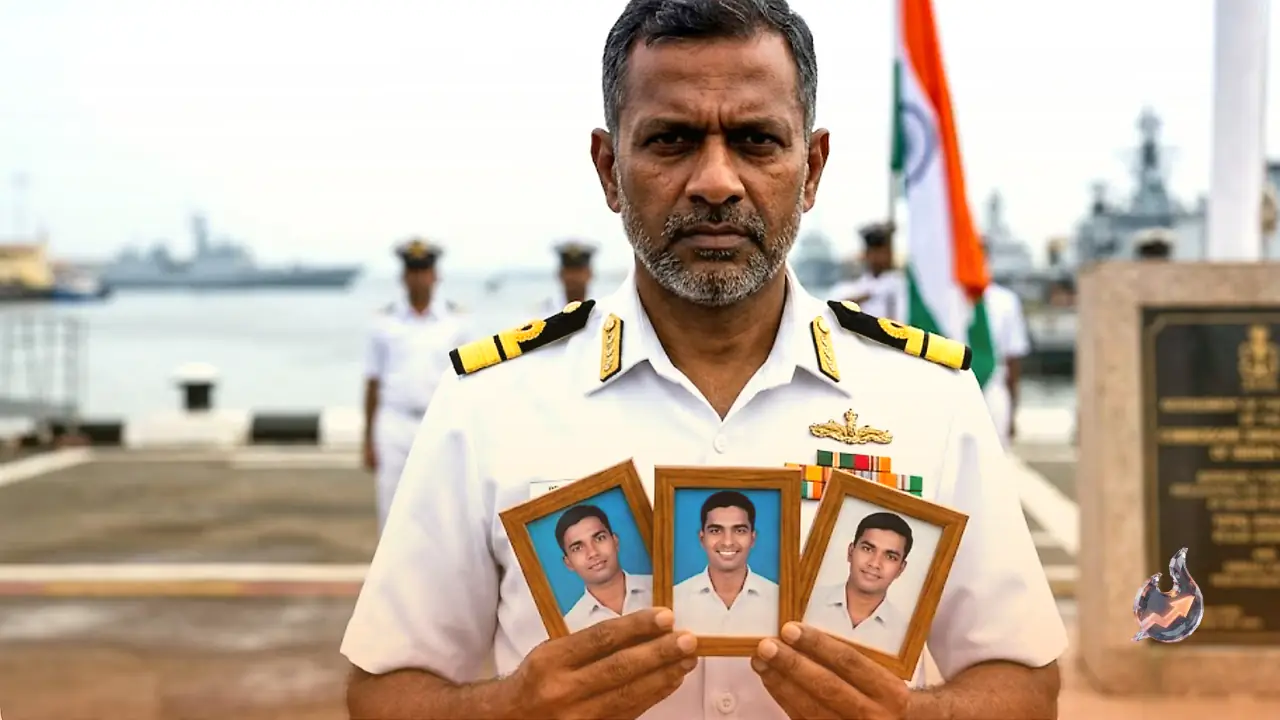
Just before World Seafarers Day, observed on 25 June, senior Indian Navy officer Commodore Srikant Kesnoor spoke at length about these deaths, maritime law, the struggles of Indian sailors and the country's maritime future.
What Commodore Kesnoor said about the three deaths
Kesnoor first offered his deepest condolences to the families of the Indian sailors who were killed, calling it deeply painful that they lost their lives while on duty. He explained that the American side claims the ship Sertabello, which was attacked, was allegedly trying to break a US blockade and was possibly carrying sanctioned goods linked to Iran. That, the US says, is why it was targeted.
Even so, Kesnoor argued that the entire episode raises a string of legal and operational questions. A blockade, he noted, is treated as a lawful instrument of war and can at times be a less deadly option than open combat. But the real question, he said, is what legal standing that blockade had when no formal war had been declared and the US President had already said the conflict was over.
He added that imposing a blockade is itself considered an act of war, which is exactly why experts remain divided over its legality.
Was the American action excessive?
Kesnoor said the most crucial question is where the ship was actually targeted. Was it really inside the blockade zone or far outside it? Was it genuinely running the blockade? Had it ignored American instructions? Or did it fall victim to mistaken identity and wrong targeting?
He revealed that action was taken against three vessels in all: Sertabello, Merivax and Jayveer. One of them was struck near the coast of Oman at a time when it had already unloaded its cargo. According to Kesnoor, the second big question is whether firing a missile was necessary just to stop a ship. Normally, he said, a vessel is first warned, then fired across, a helicopter is sent in, and orders to halt are issued through international communication channels.
He pointed out that necessity and proportionality are two key principles in international conflicts. The test, therefore, is whether the use of force was truly necessary and whether it matched the scale of the threat. In Kesnoor's words, the available facts suggest the US Navy used excessive force. Even if the ships had genuinely defied instructions, he said, a missile strike still looks like a far harsher response than the situation called for.
In his view, the incident should never have happened, and the commander making the on-the-spot call should have shown far greater judgement. At the same time, he acknowledged that any military commander has to decide under multiple pressures and conflicting pieces of information.
Why these unsung heroes of the sea matter
Kesnoor said sailors are the strongest link in the global supply chain. Roughly 90 percent of the world's trade moves over sea routes. If ships and their crews stopped hauling goods, the modern global economy would grind to a halt. Today, he said, goods reach any corner of the world at a single click, but behind that ease lies the toil of millions of sailors working at sea, leaving the entire world in their debt.
He explained that international rules grant commercial ships the right to move freely. Freedom of navigation, he said, is not merely a military or political idea; it is tied directly to the safety of seafarers.
What dangers do sailors face in conflict zones?
Kesnoor said sailors around the world have to deal with many kinds of threats, some local and others regional or international. As examples, he cited piracy in the Gulf of Aden, incidents around the western coast of Africa, and the threats that armed groups such as the Houthis pose to maritime traffic.
He said piracy, terrorism, armed robbery, the activities of local criminal gangs, war, bad weather, administrative hurdles and communication difficulties constantly put sailors at risk. The growing use of drones and precision-guided missiles in modern warfare, he added, has only sharpened the danger, because such attacks can be launched from a distance and without adequate warning.
He stressed that the safety of seafarers is not the responsibility of any single country but a shared duty of the whole world.
The situation and challenges of Indian sailors
Kesnoor noted that more than three lakh Indian sailors are working across the globe. Indians make up somewhere between one-fifth and one-sixth of the global maritime community, a share that reflects India's rising strength at sea.