
















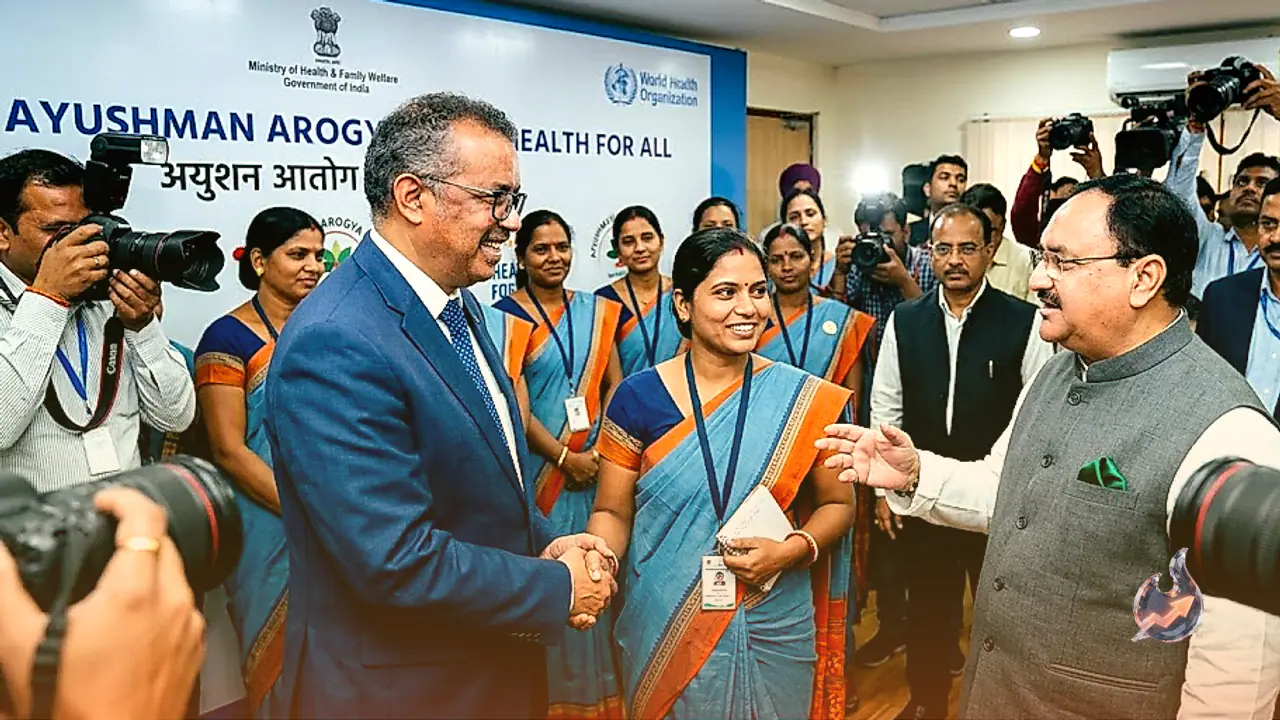

The remarkable strides made by India in the healthcare sector have received strong international recognition, with the leadership of the global health body appreciating the nation's targeted initiatives. World Health Organization Director-General Tedros Adhanom Ghebreyesus has lauded India's notable progress in expanding primary healthcare services, improving maternal and child health, and implementing robust measures to prevent and control non-communicable diseases.
High-Level Meeting in Dili
This significant interaction took place in Dili, the capital of Timor-Leste, on the sidelines of the 79th session of the WHO Regional Committee for South-East Asia. During the session, Union Health Minister J.P. Nadda held a detailed discussion with the WHO chief. Both leaders deliberated on India's expanding domestic healthcare achievements and the ongoing, continuous collaboration between the nation and the global health organization.
Appreciation Shared on Social Media
Following the meeting, the WHO chief took to the social media platform X to share his thoughts. He noted that he met with the Indian health minister and congratulated him on the impressive advancements achieved in the country's health services. He specifically highlighted that India has accomplished remarkable milestones in safeguarding maternal and child health while mounting an aggressive fight against non-communicable diseases.
Impact of Ayushman Arogya Mandirs
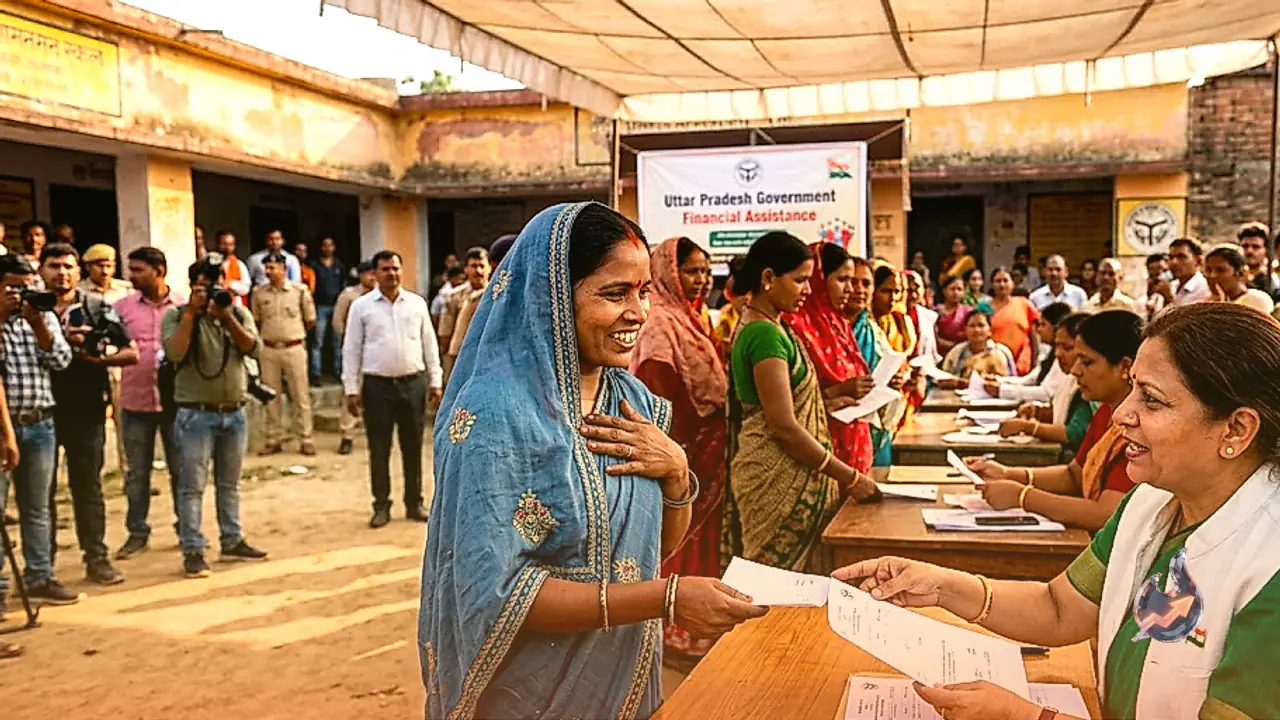
The discussions placed special emphasis on the Ayushman Arogya Mandir initiative, which has substantially widened public access to primary healthcare and essential diagnostic facilities across the country. Tedros pointed out that through a vast network of approximately 1.6 lakh Ayushman Arogya Mandirs, India is successfully bringing early screening facilities for high blood pressure, diabetes, and common types of cancers right to the doorstep of communities. Furthermore, robust referral systems have been established to seamlessly manage patients who require advanced secondary or tertiary care.
Crucial Role of ASHA Workers
The WHO leader heaped high praise on India's massive grassroots network of ASHA workers. He remarked that these frontline healthcare workers play an indispensable role in delivering essential medical services directly to the population, particularly assisting women, mothers, and children through every critical stage of development. Their dedication forms the bedrock of community-level health delivery.
Improvements in Maternal and Child Health
Tedros observed that India's ASHA workers serve as an exemplary model for how healthcare can be effectively delivered within local communities, supporting mothers and children from pregnancy all the way through adolescence. Driven by these concerted community efforts and expanded immunization coverage, institutional deliveries in hospitals or health centers have surged from 78 percent to 93 percent, resulting in a steady and visible enhancement in maternal and child health outcomes.
TB Eradication and Regulatory Standards
During the bilateral talks, Tedros and Nadda also reviewed India's dedicated national efforts toward tuberculosis eradication. The country is intensifying these efforts through widespread diagnostic screening, better case detection, improved treatment protocols, and targeted public health measures. Both leaders also exchanged views on strengthening the regulatory frameworks governing medical products to ensure uncompromising standards of quality, safety, and clinical efficacy. They further reviewed India's ongoing partnership on global health priorities.
Traditional Medicine and Pandemic Accords
The WHO chief acknowledged India's vital contributions to international health initiatives and its steadfast support for the global health body. This cooperation encompasses active engagement in the field of traditional medicine as well as ongoing deliberations regarding the Pathogen Access and Benefit Sharing system under the broader WHO pandemic agreement. This high-level engagement coincided with the gathering of health ministers and delegates from the WHO South-East Asia Region in Dili for the 79th regional committee session.