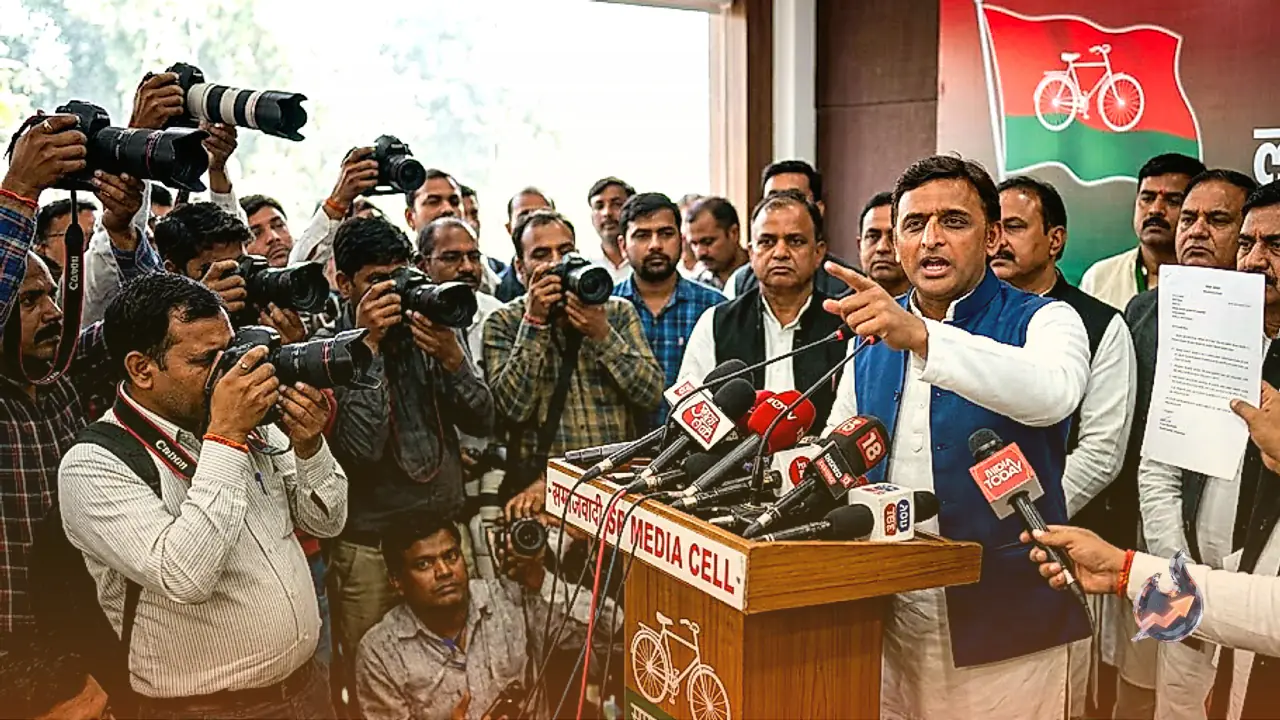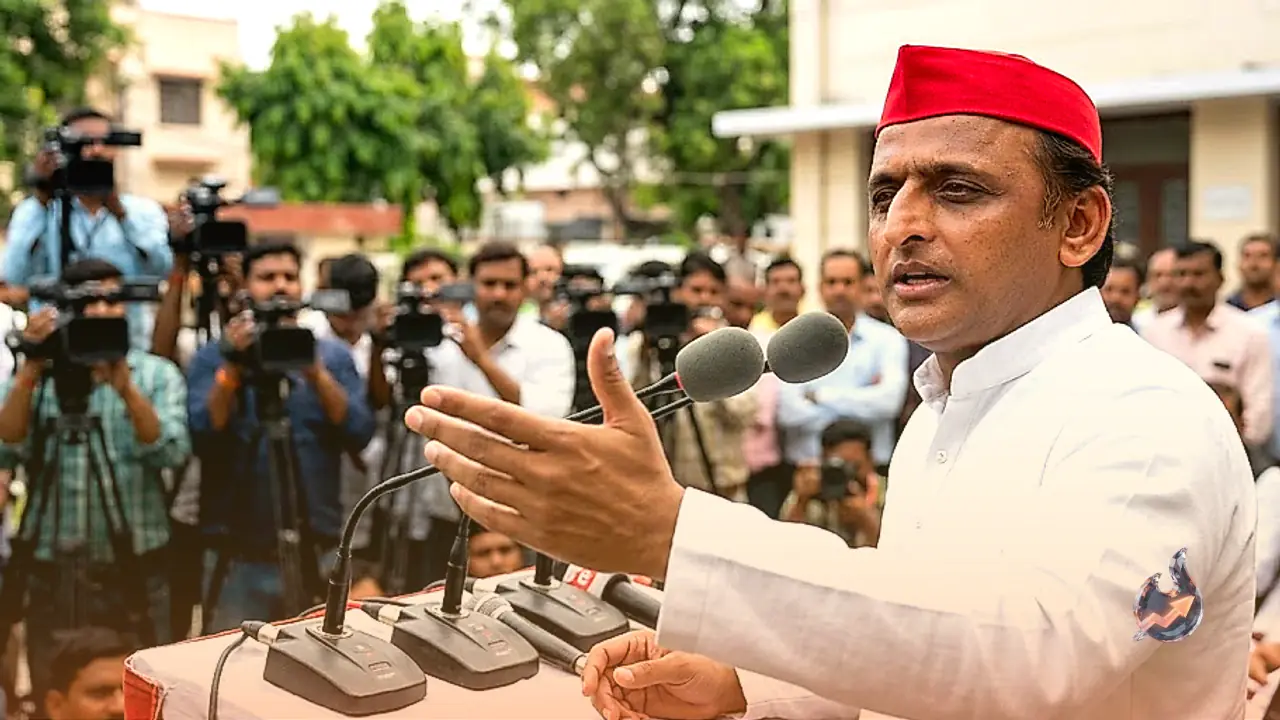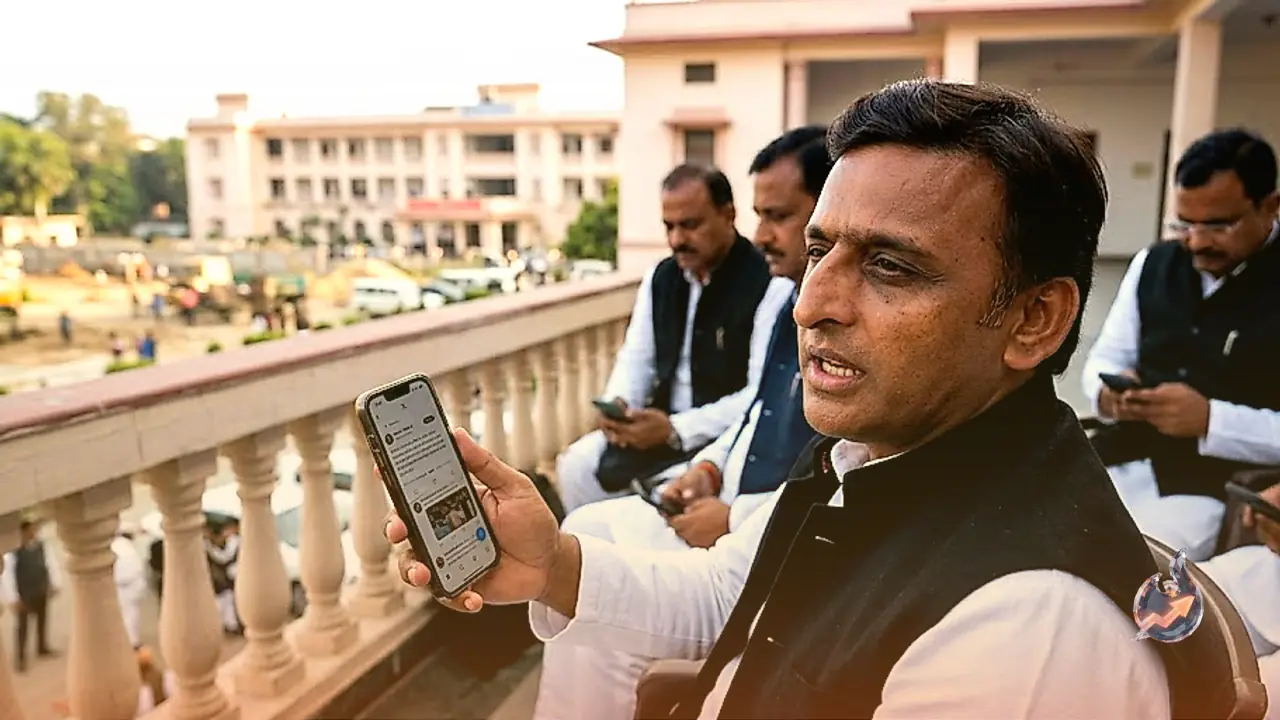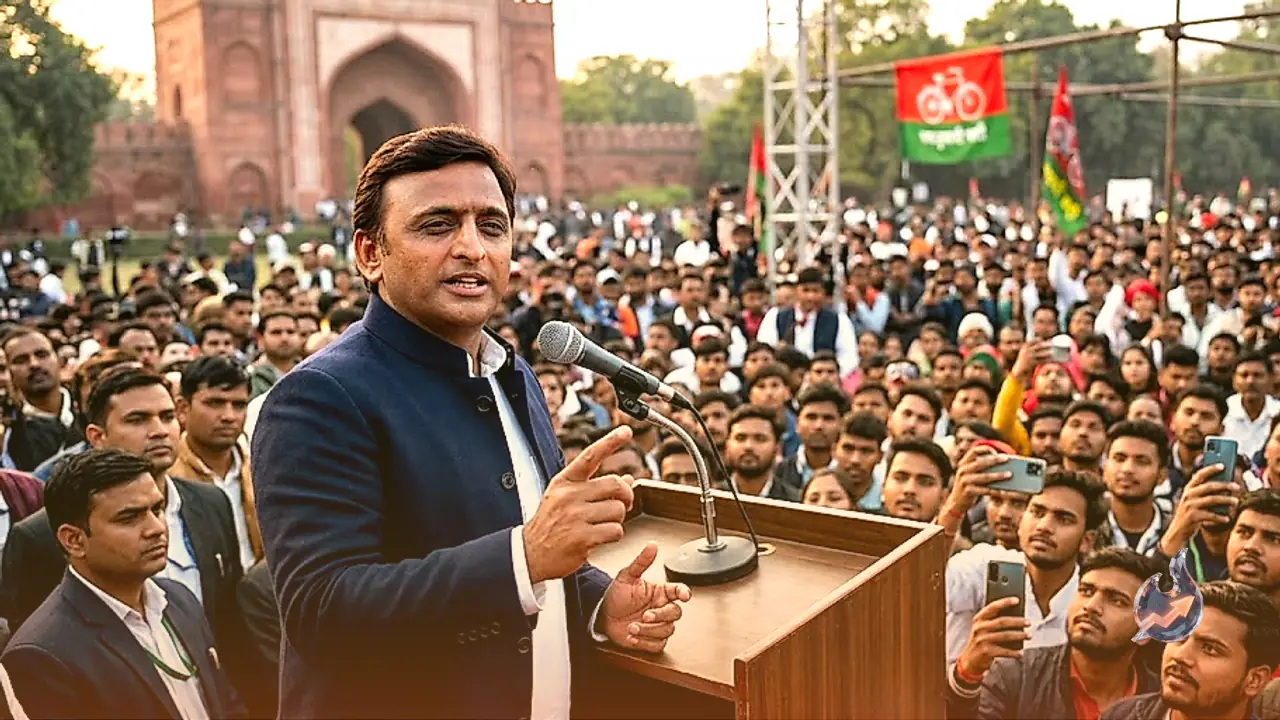




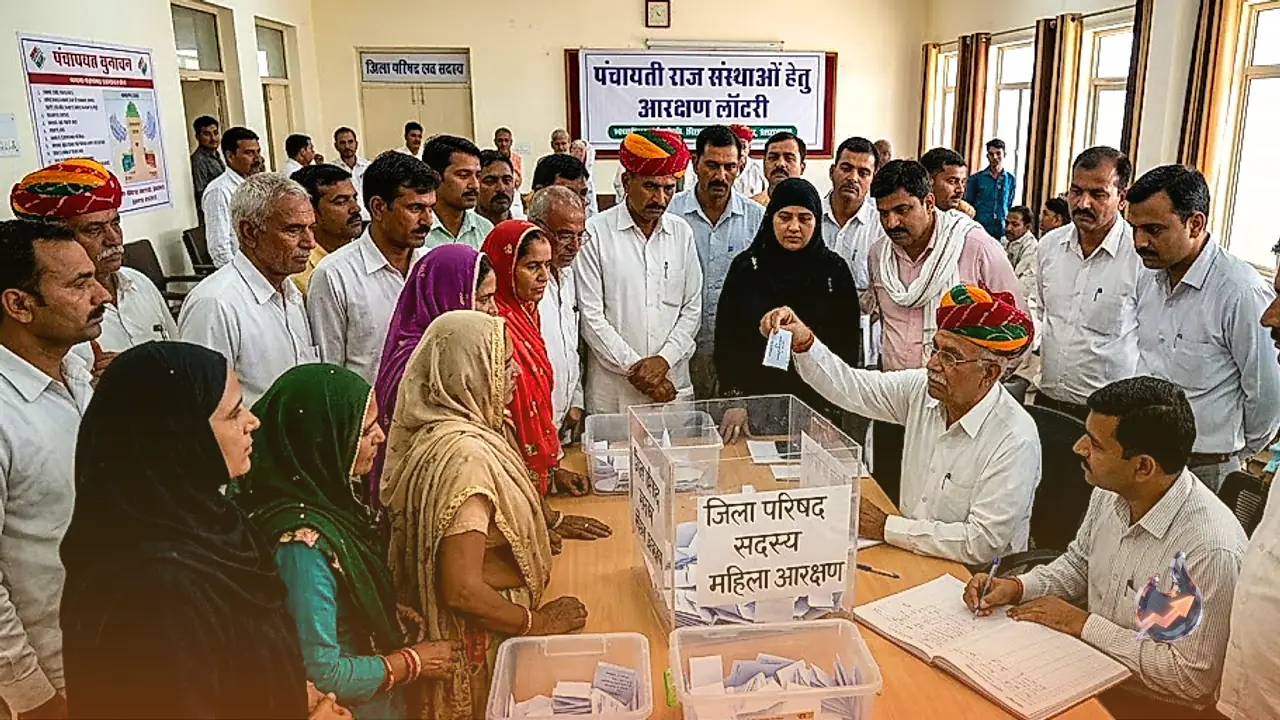















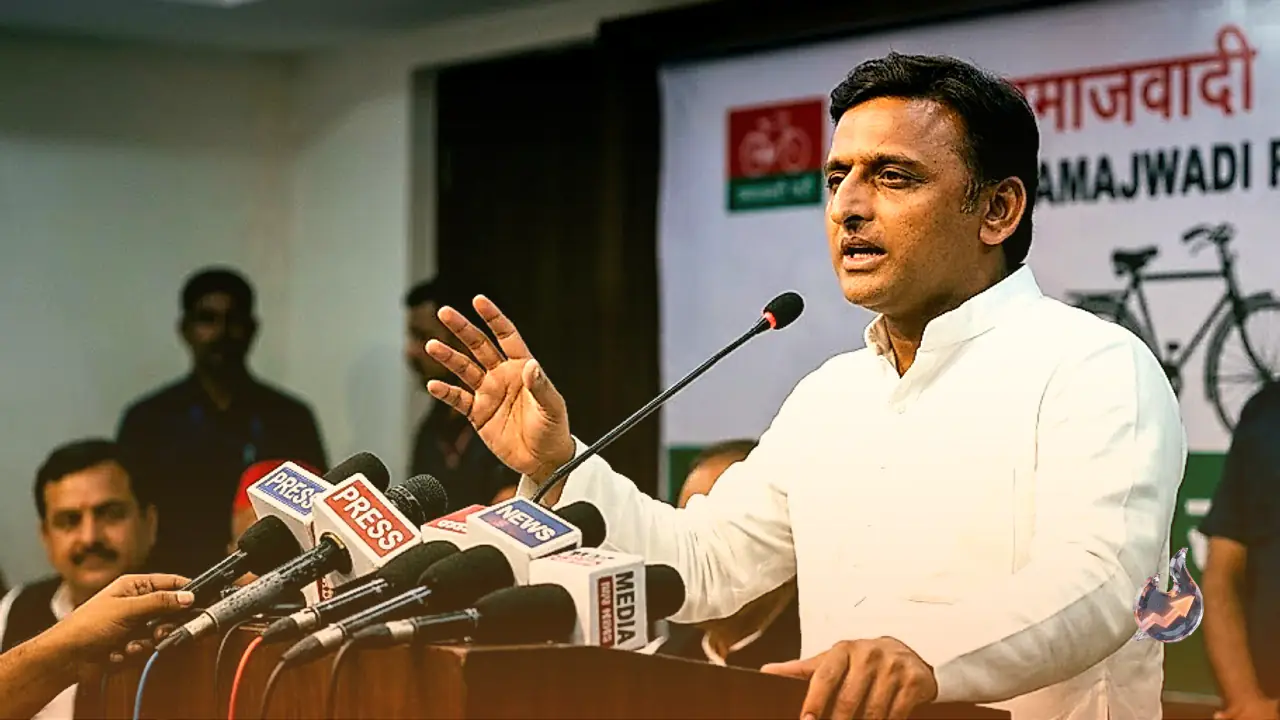

A fresh political debate has emerged over the internal functioning and decision-making process of the Election Commission. Samajwadi Party chief Akhilesh Yadav raised sharp questions regarding institutional independence and transparency, pointing to reported internal disagreements among top election officials. He argued that persistent dissents within the panel highlight deep concerns about whether the autonomous body is being allowed to carry out its responsibilities fairly.
Claims of Internal Objections Within the Panel
Akhilesh Yadav highlighted that two Election Commissioners had formally registered their objections to decisions taken by the Commission on 14 separate occasions over the past 10 months. Calling this a matter of serious concern, he maintained that such repeated pushback from within demonstrates that key decisions are not being taken smoothly or through unforced consensus, raising doubts over the regular course of governance inside the poll body.
Concerns Over the Autonomy of Constitutional Bodies
The Samajwadi Party leader emphasized that the perceived friction touches upon the core integrity of autonomous institutions. According to him, when members of an independent constitutional entity struggle to exercise fair and just decision-making, public confidence in the outcome of their determinations weakens. He underscored that the credibility of the Election Commission remains vital for democratic health, requiring open consultation and unhindered institutional fairness across all members.
Statements Shared on Social Media
Outlining his perspective on the platform, Akhilesh Yadav wrote on X that two Election Commissioners lodging formal objections 14 times within a 10-month span is a matter of grave consequence. He remarked that such friction signifies that members of the independent body are unable to function properly, stressing that genuine autonomy demands an environment where every member can act justly without systemic hindrance.
Public Reaction
The remarks drew varied responses from the public across social media platforms. While several commentators criticized the statements, arguing that dissenting views within the commission reflect internal democracy rather than institutional weakness, others supported the remarks, demanding greater scrutiny and transparency in the poll body's decision-making.