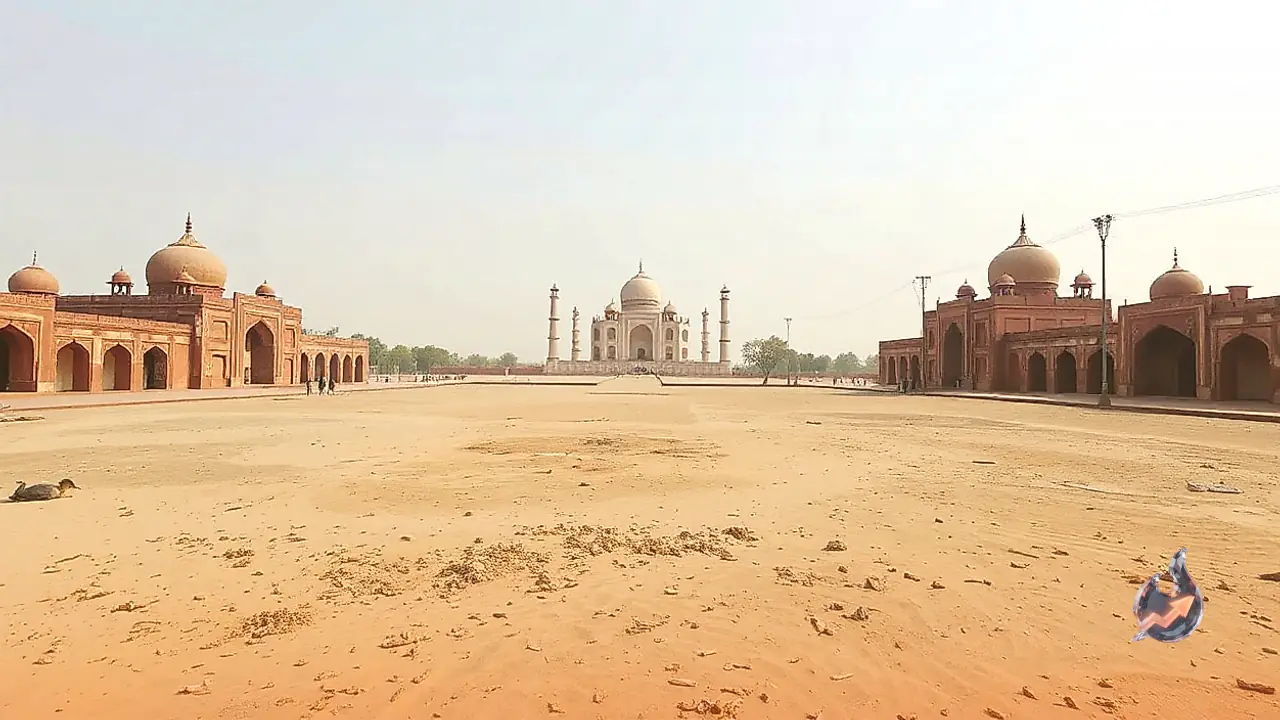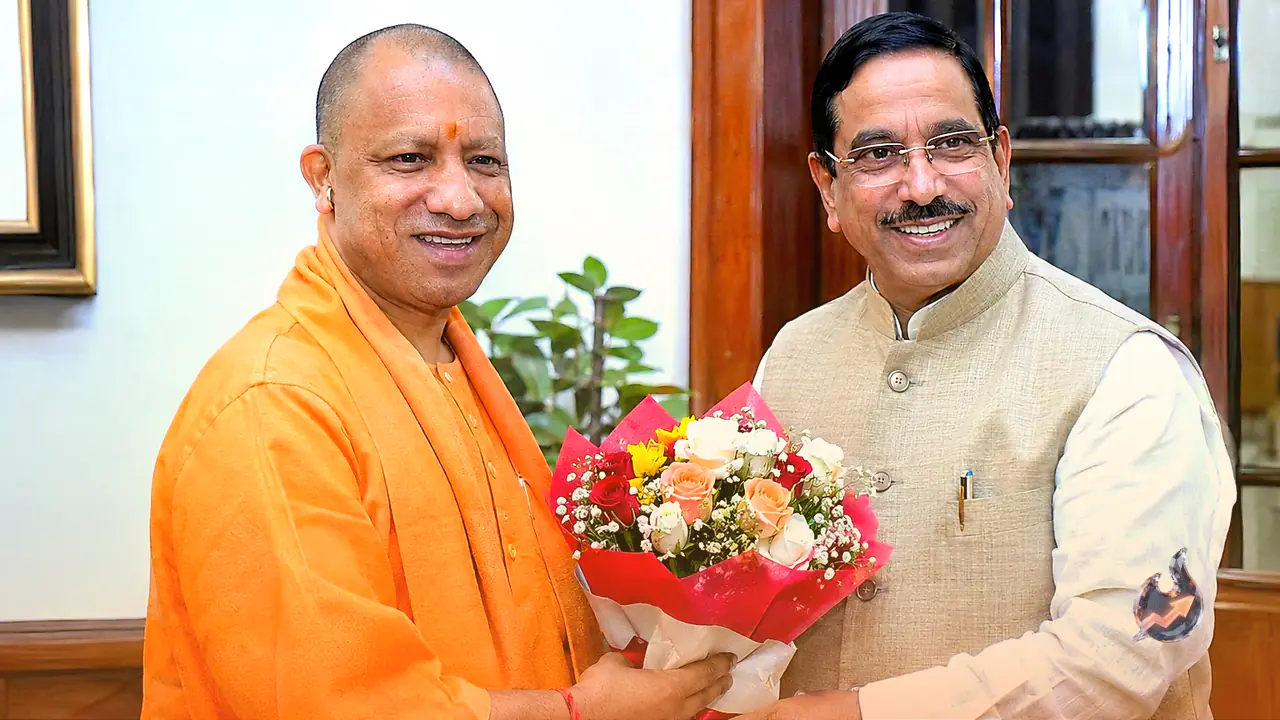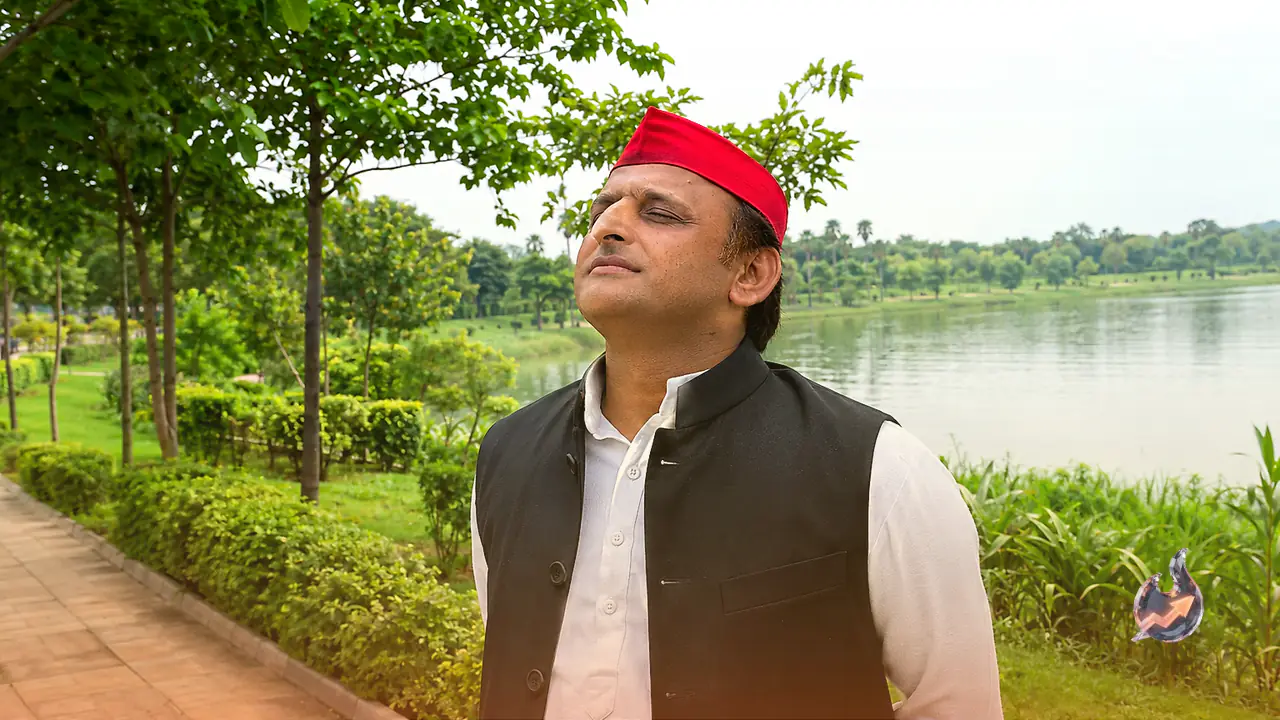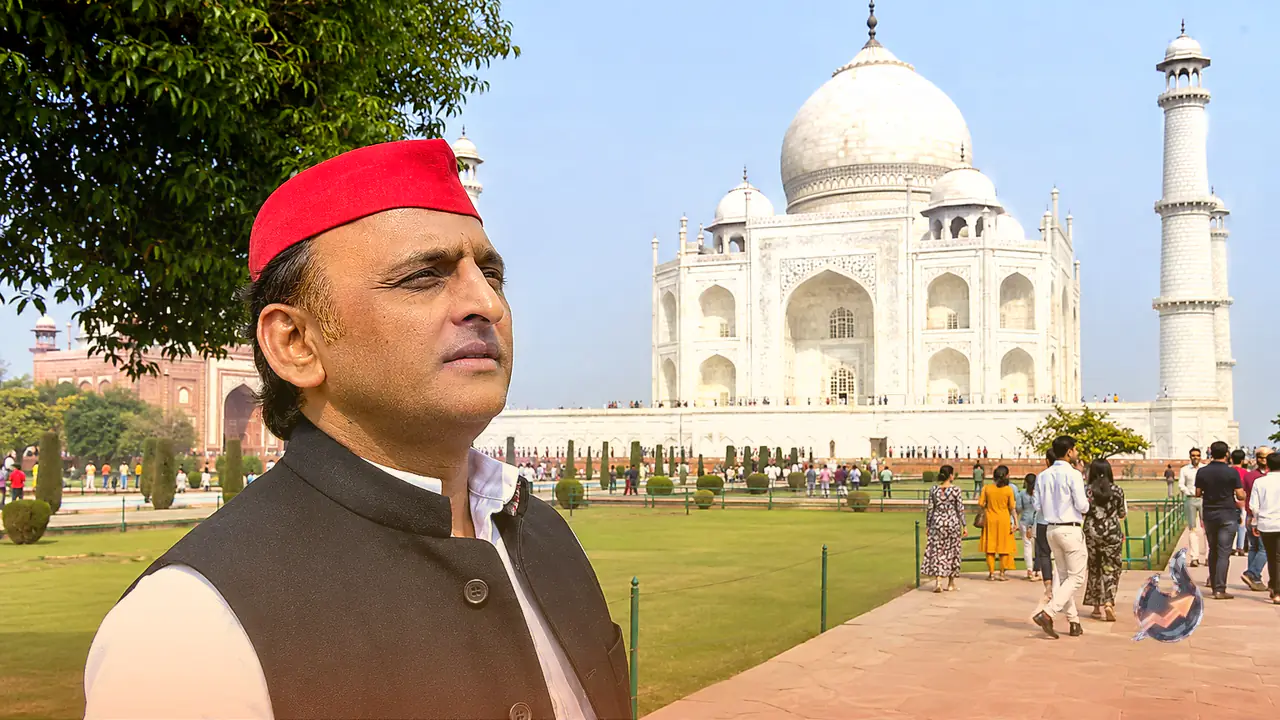

A decline in visitors to the Taj Mahal, or in the income associated with tourism there, could become a concern for Agra’s economy. Akhilesh Yadav raised that possibility in a social media post, using the monument’s condition and upkeep to question the government’s record. He connected the issue to a much larger economic ambition.
Yadav’s post put two ideas side by side: the possibility that tourism at the Taj Mahal could suffer, and the goal of building a $1 trillion economy. He suggested that if tourism were affected, that ambition could shrink to $1 billion. This was a political argument, not a presentation of economic data: the post gave no visitor count, change in ticket sales, or estimate of financial losses.
Why tourism is part of the debate
The Taj Mahal is among India’s most prominent monuments and is closely associated with Agra’s identity. That makes questions about its upkeep relevant beyond the condition of the building itself. Any concern that visitors might be affected can also touch on local businesses and the experience of people travelling to Agra. Yadav’s post, however, did not detail a particular problem or provide evidence of a fall in tourism.
The post framed harm to tourism as a possibility. It did not say that visitor numbers had already dropped. That distinction matters: the material accompanying the post contains no new government announcement, administrative decision, visitor data, or economic estimate. The claim is a warning about what could happen, rather than a report that a measured decline has occurred.
Linking a monument to an economic target
The reference to $1 trillion and $1 billion brought the local tourism concern into a broader argument about economic ambition. Yadav’s point was that neglect of an important tourist attraction, if it affected visitors, could raise questions about larger economic claims too. But the post did not explain how the effect of Taj Mahal tourism on the national economic target had been calculated. Its figures should therefore be understood as part of a political criticism, not as an economic forecast supported by calculations in the post.
He also used a proverb about putting a razor in the wrong hands to take aim at those responsible for managing matters. The remark questioned their judgment and ability. The post did not name a particular official or department as responsible for a specific action, and it did not refer to a new inquiry or improvement plan.
About Kanakadurga
Kanakadurga Temple is a prominent Hindu temple dedicated to the goddess Durga, located on Indrakeeladri Hill beside the Krishna River in Vijayawada, Andhra Pradesh. The supplied background describes Kanakadurga as a form of the goddess Shakambhari and notes that a Shakambhari festival is held at the temple.
Public reaction
Some responses criticized Yadav and argued that the monkey problem was not new, while other comments brought tourism and the economy into the discussion. The replies reflected questions about monument upkeep, political responsibility, and tourism in Agra.