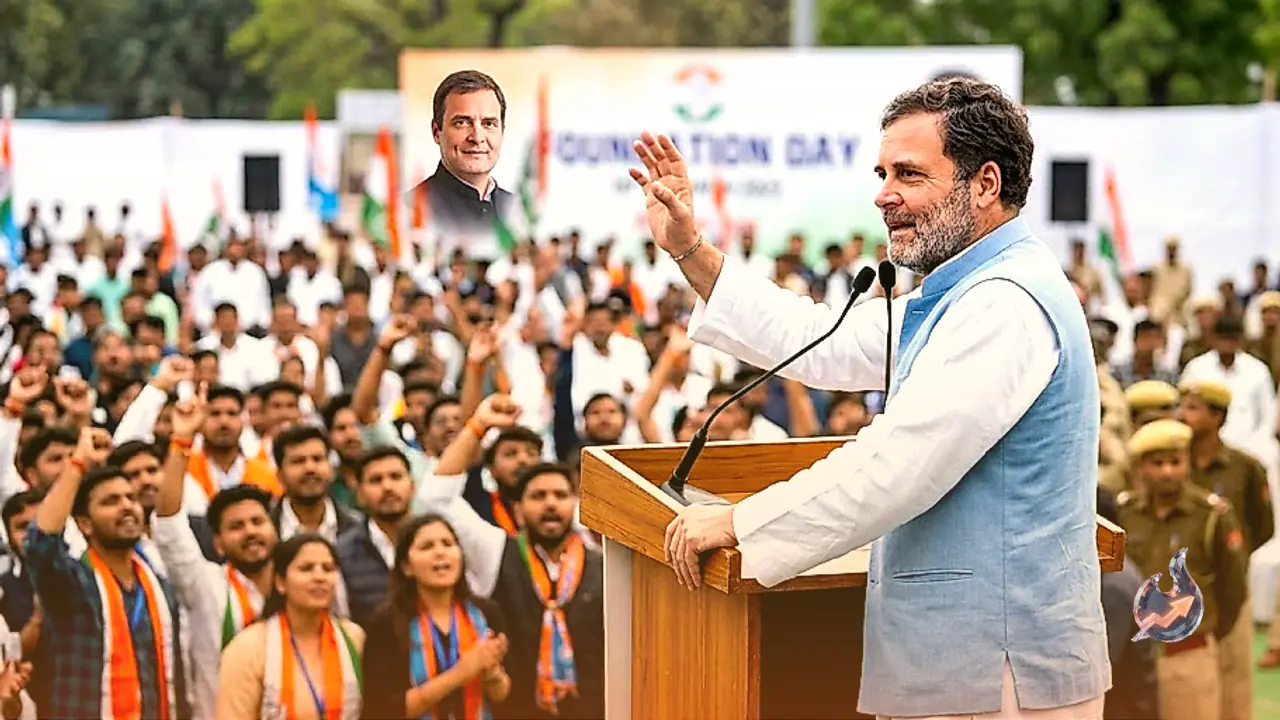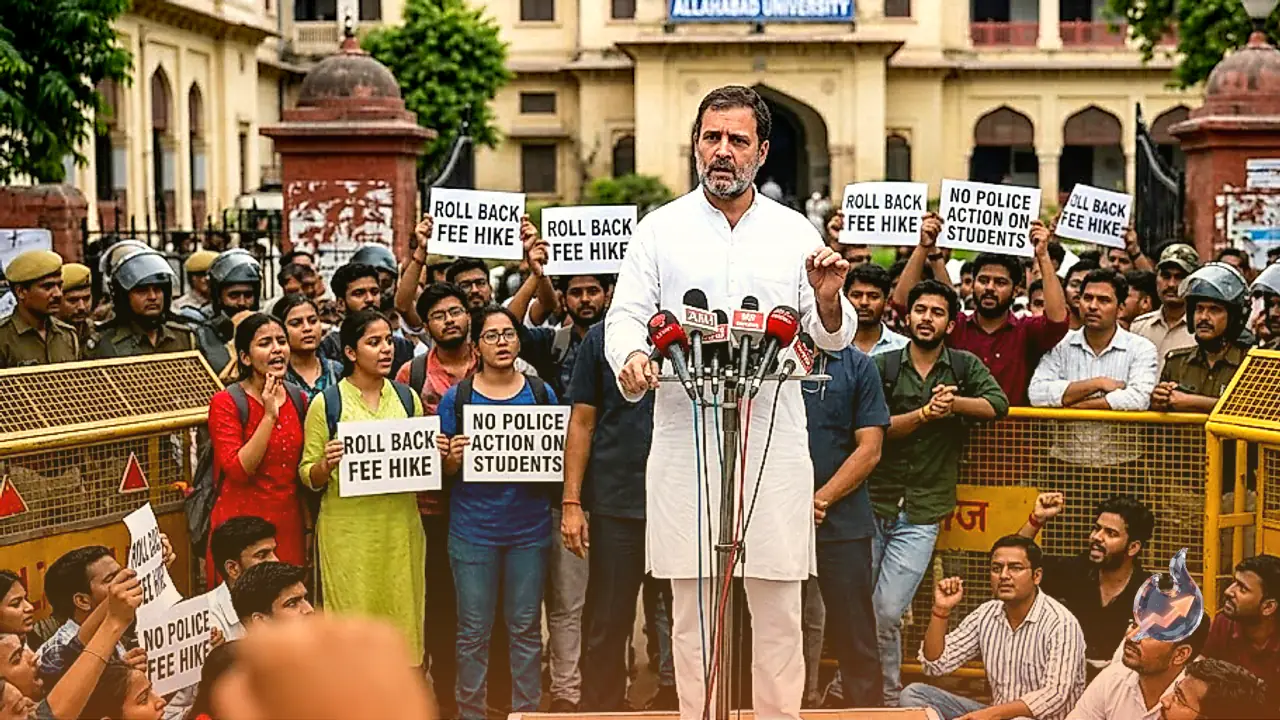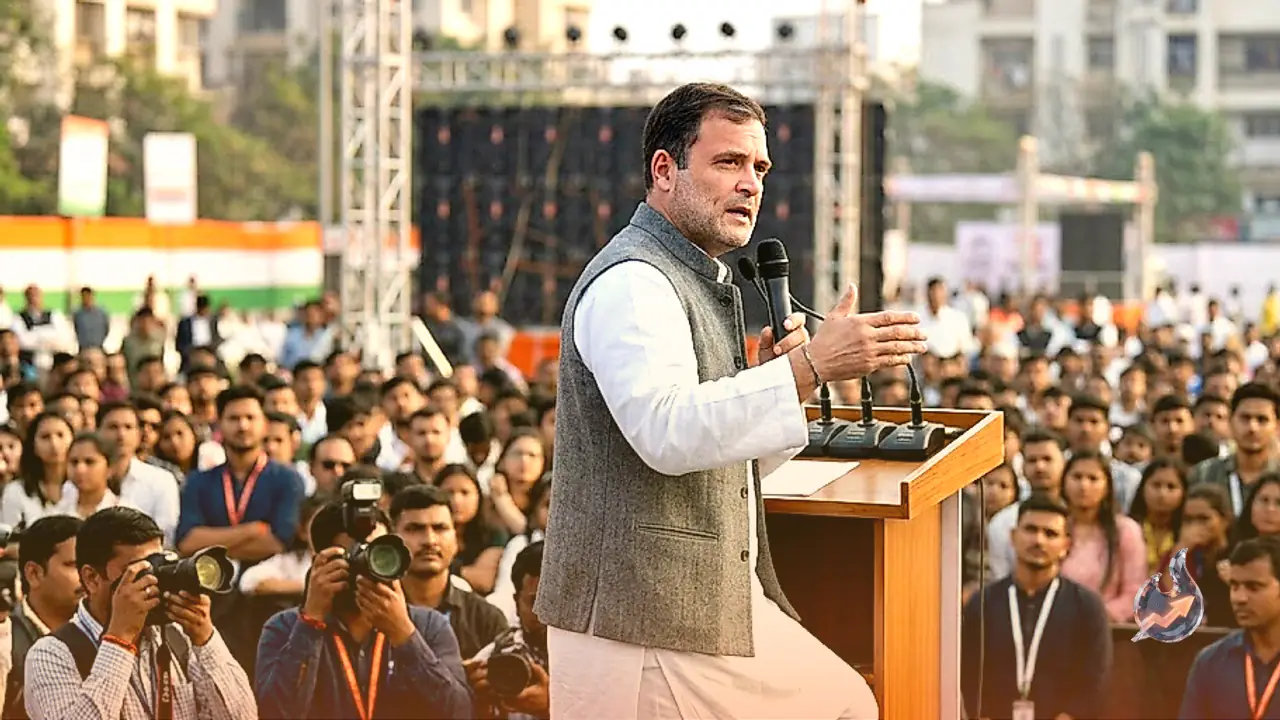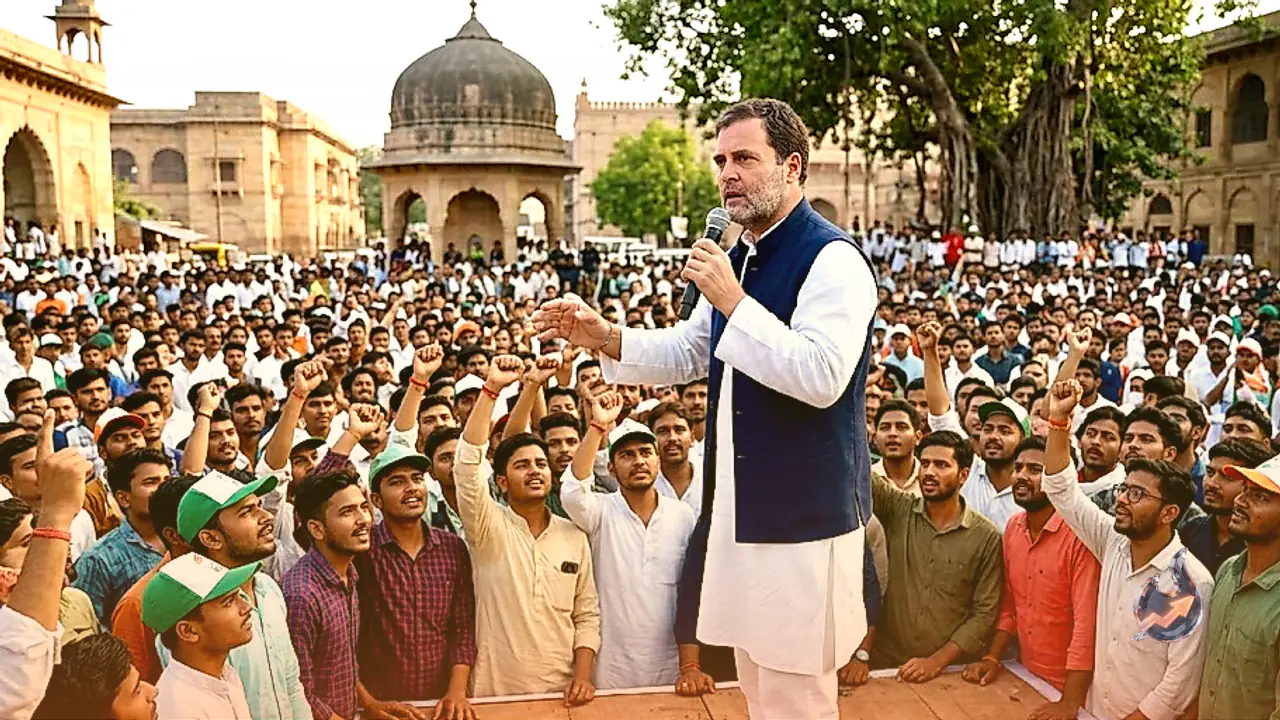


















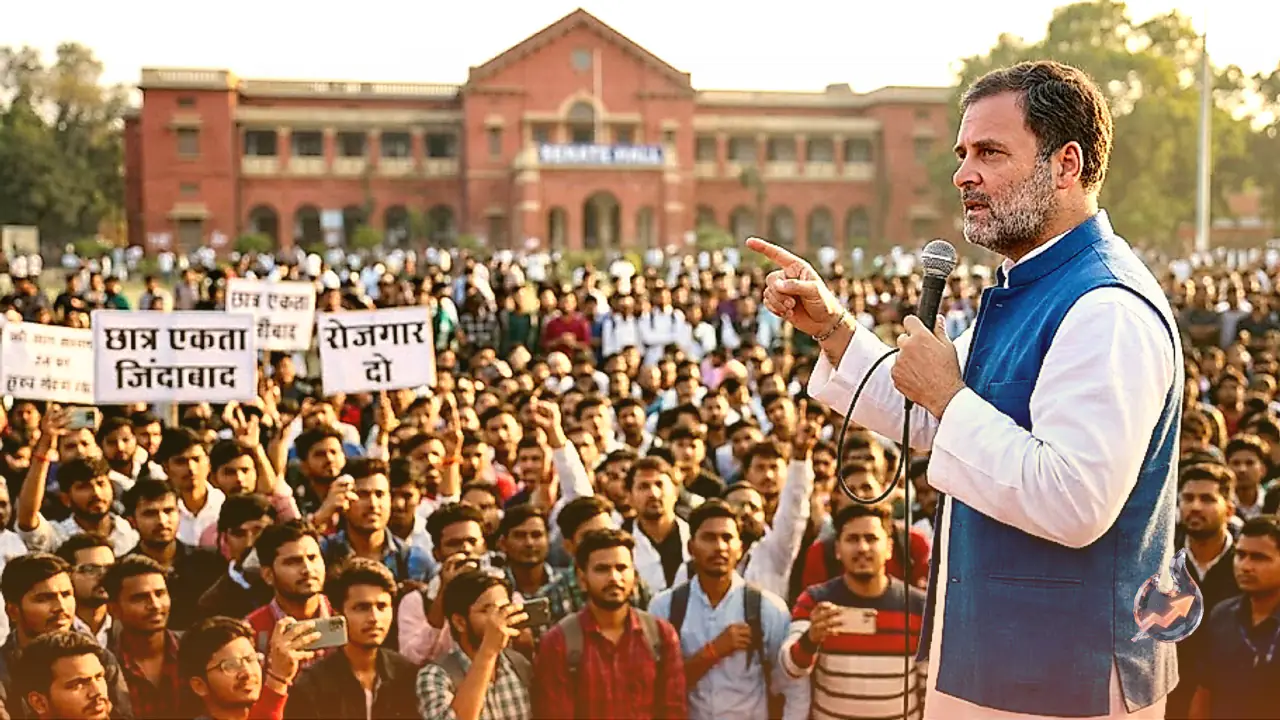

Speaking after a major student gathering in Prayagraj, senior opposition leader Rahul Gandhi launched a severe critique against the current governance framework, asserting that young citizens are taking charge to challenge political and economic monopolies. Gandhi emphasized that students across the country have confronted systemic obstacles to light a symbol of hope and legal rights for the nation.
Strong Message Issued on Social Media
Taking to social media platform X, Gandhi shared his vision following interaction with thousands of young aspirants. In an online post on X, he stated that students have braved the gloom spread by the current system to illuminate a path toward democratic rights for all citizens.
Continuing his sharp attack on the administration, Gandhi targeted the alliance between political authorities and major corporate entities. Speaking on the need for systemic transformation, he remarked, "The time has now come to say finish, tata, bye-bye to the system of BJP-RSS and Adani." He asserted that the youth movement extends beyond simple opposition and represents a fundamental push to reclaim constitutional safeguards and democratic public spaces.
Student Gathering and Grievances in Prayagraj
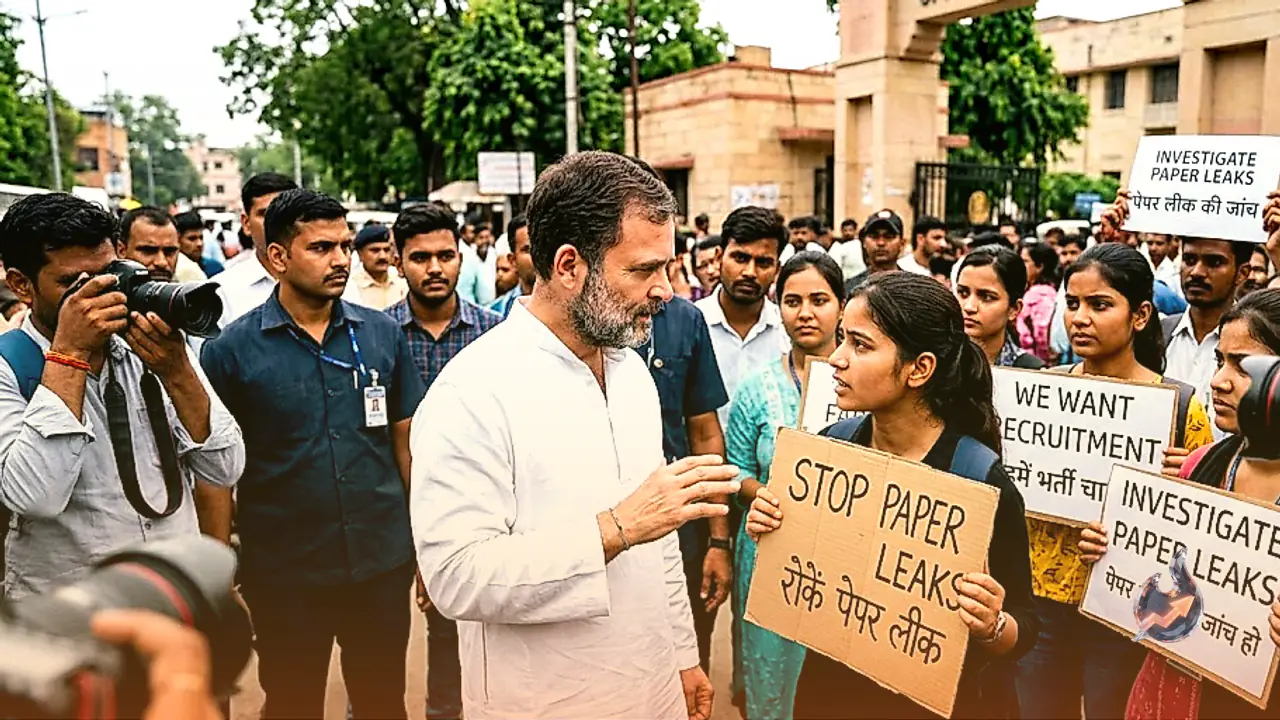
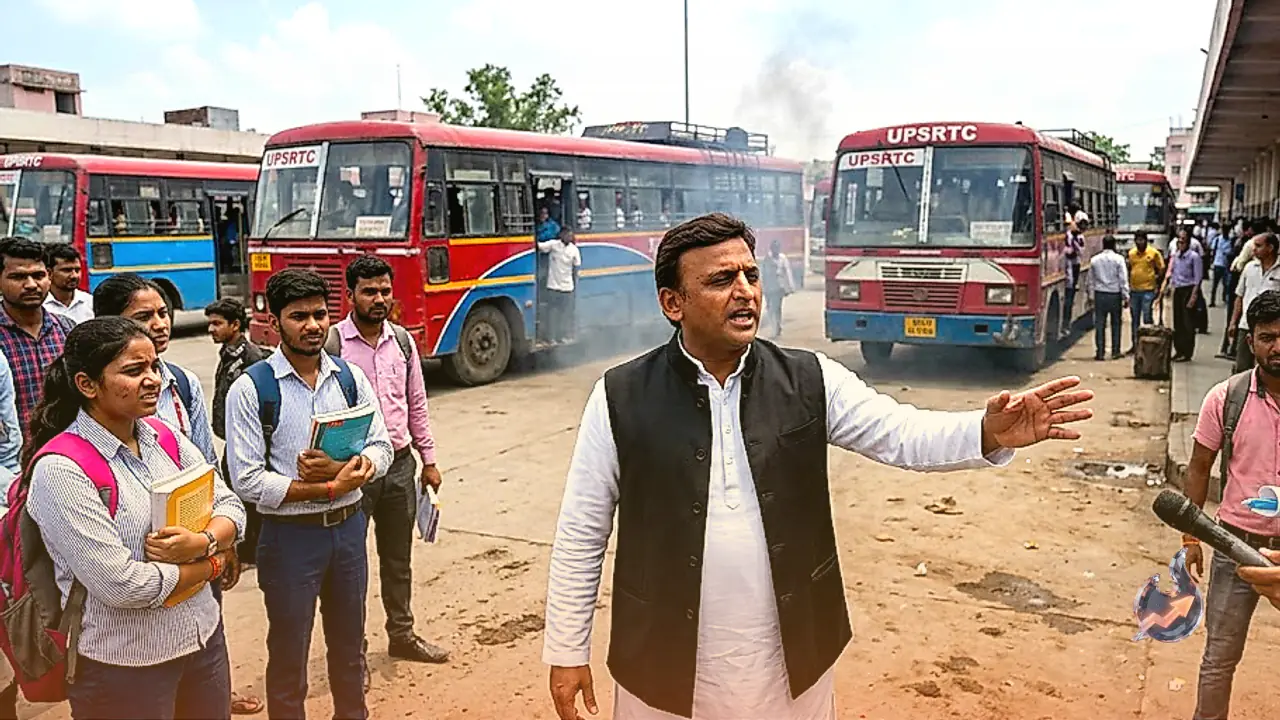
The outreach event in Prayagraj drew massive crowds of students and job aspirants from across Uttar Pradesh and neighboring regions. Prayagraj, historically recognized as a premier center of higher learning and academic excellence, saw young attendees voicing deep concerns regarding examination delays, recruitment waiting lists, and shrinking employment opportunities.
During the interactions, attendees highlighted the historical legacy of Allahabad University, once regarded as one of the finest educational institutions in the country. Students expressed their daily struggles against administrative delays in state commission exams, such as pending waiting lists for recruitment procedures conducted by state selection bodies. The massive turnout reflected growing restlessness among educated youth seeking structural reforms in public sector recruitment and educational governance.
Historical and Cultural Importance of Gaya
In connection with broad regional youth movements across northern India, reference was also made to Gaya, a major urban and cultural center located in the state of Bihar. Serving as a district headquarters and the second largest city in Bihar, Gaya holds immense historic, religious, and geographical significance in the eastern region of India, where Magahi serves as the principal regional language spoken by locals.
Gaya is globally renowned as a major international tourist and pilgrimage destination, drawing hundreds of thousands of domestic and foreign visitors every year. Geographically, the city is encircled on three sides by rugged, rocky hills named Ramshila, Pretshila, and Brahmayoni, with the sacred Falgu river flowing along its eastern flank. The city carries profound heritage across Hinduism, Buddhism, and Jainism, with sacred mentions dating back to ancient Indian epics such as the Ramayana and the Mahabharata.
Youth Mobilization and Wider Political Impact
The opposition leader's engagement with student communities comes at a time when issues surrounding competitive exams, paper leaks, and delayed recruitment drives have taken center stage in public discourse. By aligning opposition politics directly with youth aspirations, Gandhi aims to build a broad-based coalition challenging central policy decisions and state-level administrative frameworks.
Political observers note that focusing on educational centers and student hubs allows the opposition to address pressing economic issues, including unemployment and corporate concentration, while offering an alternative vision focused on public welfare and constitutional guarantees.
Public Reaction
The public reaction to Gandhi's social media post and public address was swift and intense across digital platforms. While many young supporters and student activists hailed his stance as a much-needed push for youth rights, others urged concrete parliamentary action to resolve specific state recruitment backlogs, generating widespread debate across political spectrums.