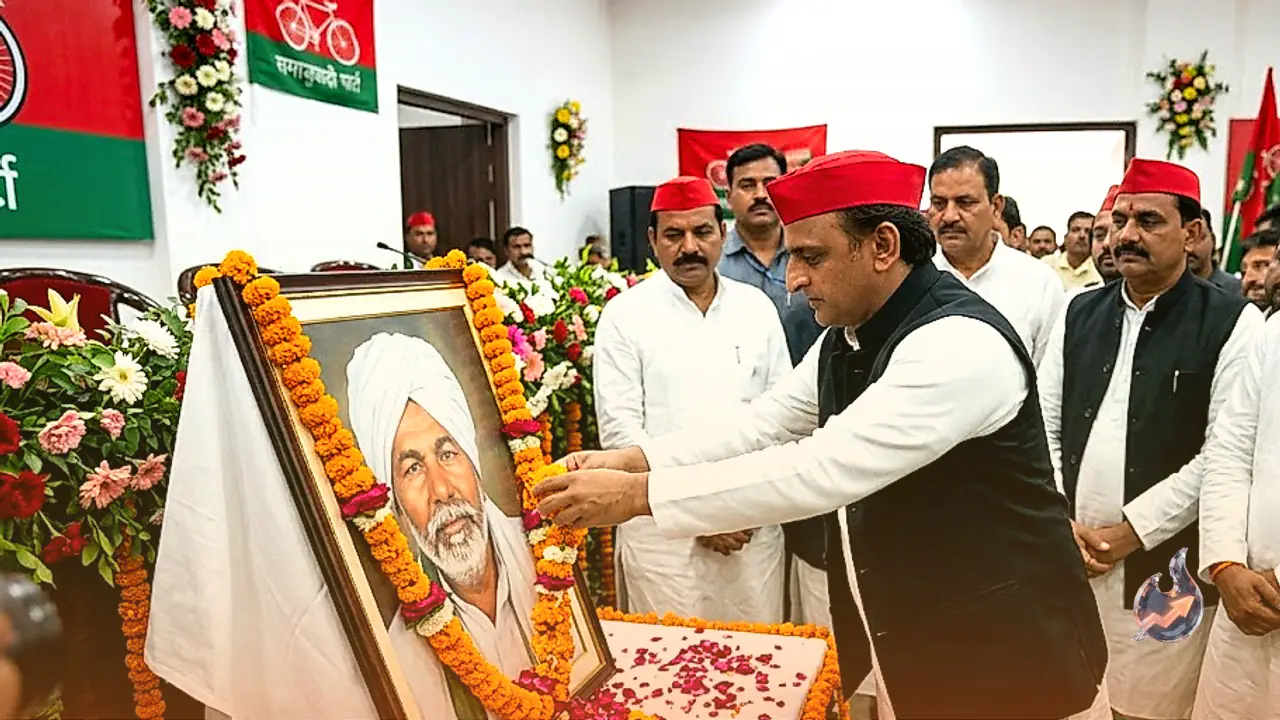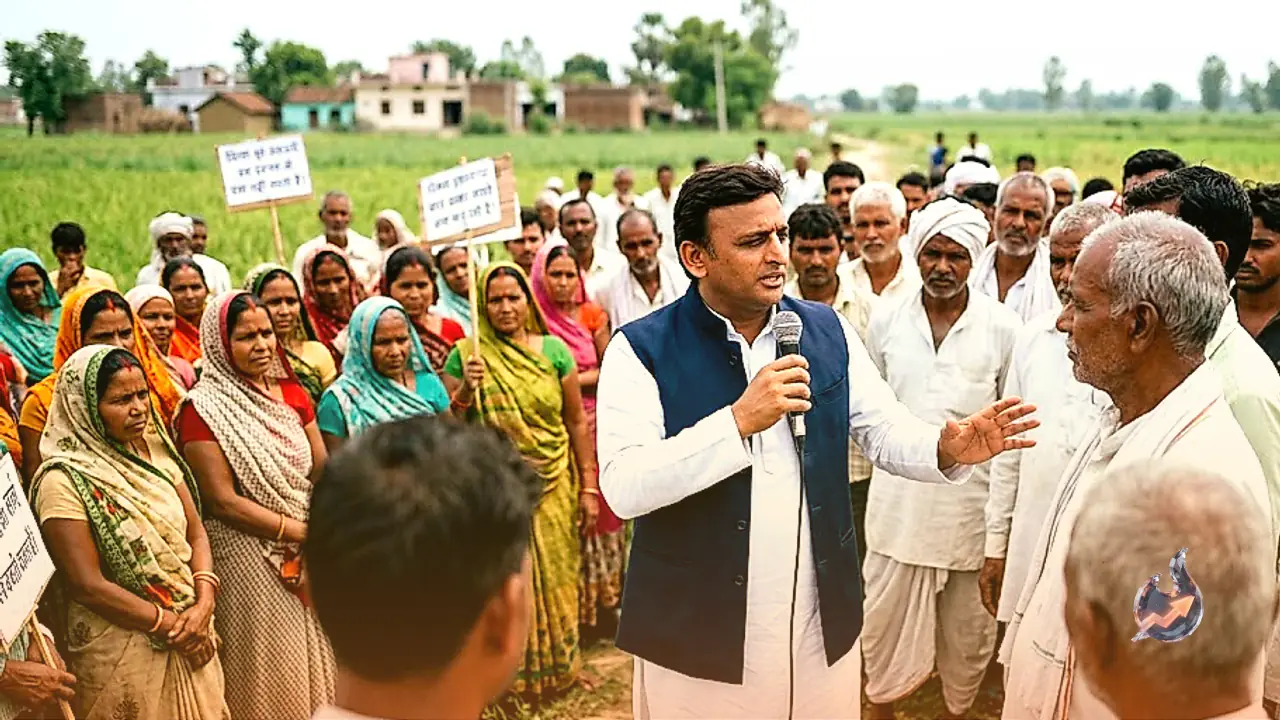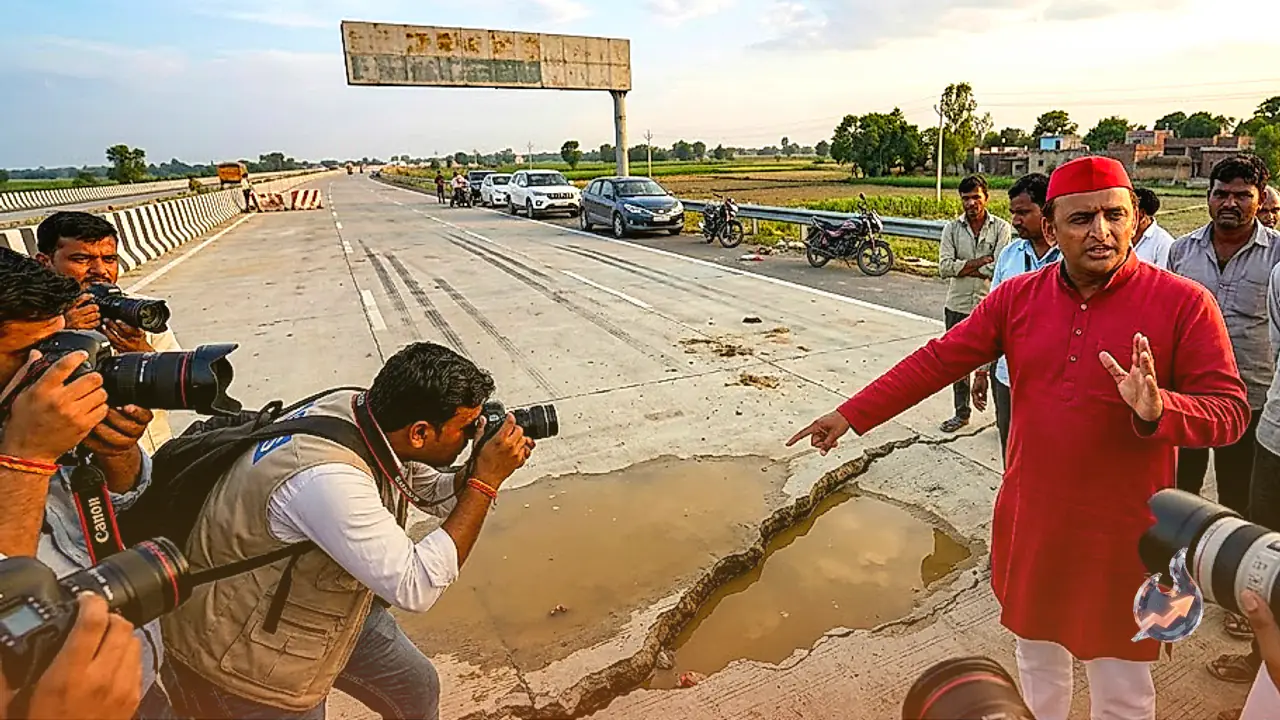

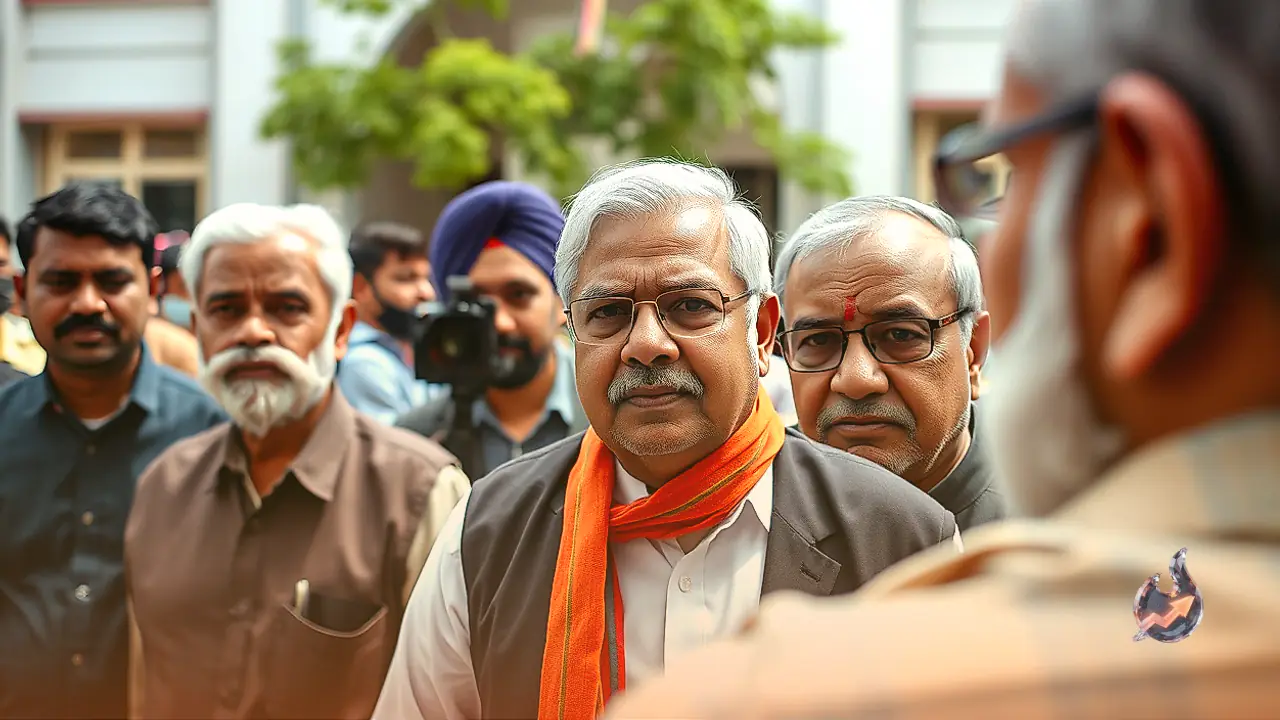























Samajwadi Party chief Akhilesh Yadav has launched a sharp political attack on the Bharatiya Janata Party following a massive PDA march organized in Basti. Sharing his thoughts on the social media platform X, he claimed that the sheer scale of the gathering in Basti must have unsettled the ruling party across Uttar Pradesh. In his post, he declared that the PDA front—representing the backward, Dalit, and minority communities—remains thoroughly vigilant and mobilized.
Akhilesh Yadav on the Basti PDA March
Issuing a direct statement on social media, Akhilesh Yadav underscored that the movement is now wide awake and attentive to administrative developments. In his official post, he proclaimed, 'Announcement of PDA, PDA is alert!!!' He characterized the gathering held in Basti as unprecedented, emphasizing that such significant public participation demonstrates widespread opposition to the ruling party and fundamentally challenges its political ground in the state.
Criticism Aimed at the Chief Minister's Video Clip
The opposition leader also directed sharp scrutiny toward the state's Chief Minister over a brief visual statement. Referring to what he termed a five-second video, Akhilesh Yadav remarked that it reflected the Chief Minister's familiar threatening tone. He further asserted that through that very clip, the leader inadvertently acknowledged the ground reality and treatment of the PDA collective under his current administration.
About Uttar Pradesh
Uttar Pradesh stands as India's most populous state and ranks fourth nationwide in terms of total geographical area. Lucknow serves as the administrative and legislative capital of the state, whereas Prayagraj functions as the judicial capital. Other prominent urban centers across the region include Agra, Kanpur, Varanasi, and Gorakhpur. The state shares administrative borders with Uttarakhand and Himachal Pradesh to the north, Haryana, Delhi, and Rajasthan to the west, Madhya Pradesh and Chhattisgarh to the south, and Bihar and Jharkhand to the east. Additionally, its northern territory borders the sovereign nation of Nepal.
Public Reaction
The public response to the post was notably divided across digital platforms. While numerous supporters viewed the large turnout in Basti as an omen of imminent political transformation and self-determination for marginalized communities, critics argued that the campaign represents conventional identity-based mobilization rather than substantive governance.