





















In a major push to overhaul the national supply chain framework, the Union Cabinet has officially approved the proposal to establish the Integrated Transport and Logistics Authority (ITLA). The new statutory mechanism is designed to synchronise planning across various freight and passenger transit channels, ending fragmented execution. In the same policy session, the Cabinet also cleared a dedicated Rs 10,000 crore SME growth fund aimed at boosting micro, small, and medium enterprises alongside major logistical reforms.
Formulating a Decade-Long Infrastructure Blueprint
The core mandate of this newly sanctioned body centres on designing an extensive infrastructure roadmap for the country. It will formulate a long-term master plan spanning 10 or more years to address evolving domestic and international transit requirements. Union Minister Ashwini Vaishnaw highlighted the strategic purpose of the institution, noting that the authority will be directly responsible for formulating long-term master plans that connect railways, highways, ports, and civil aviation into a unified planning framework.
Amit Shah Highlights the Infrastructure Milestone
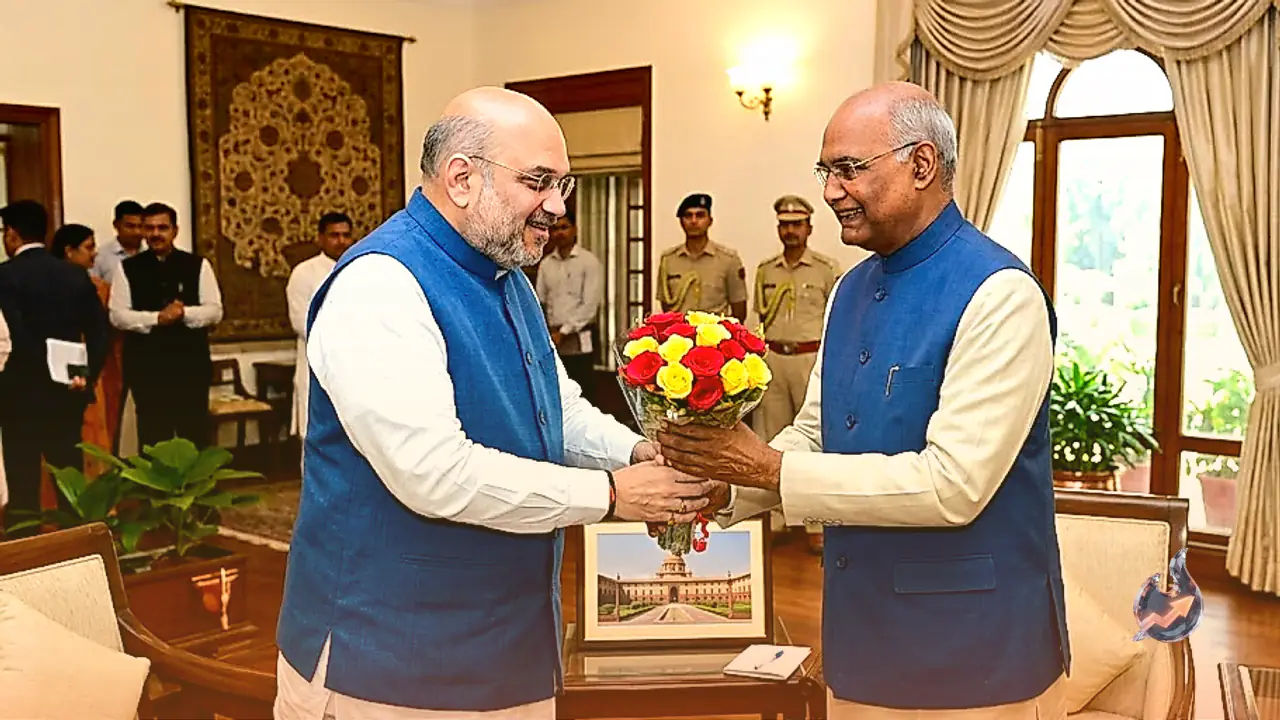
Welcoming the executive clearance, Union Home Minister Amit Shah shared on X that the Cabinet approval marks a pivotal moment for nationwide infrastructural modernisation. He pointed out that ITLA will systematically map out the country's upcoming transit and logistics needs across the next decade and beyond. Prime Minister Narendra Modi likewise commended both the transport authority and the financial backing for small enterprises, describing these measures as vital drivers of economic growth.
Structure as a Special Purpose Vehicle
To ensure streamlined operations and swift administrative coordination, the government has moved to structure the logistics authority as a dedicated special purpose vehicle. The unified setup aims to cut logistics expenses, remove bureaucratic friction across separate transport ministries, and accelerate commercial cargo movement throughout India. Bringing multiple transit networks under a single strategic umbrella is expected to prevent project delays and improve overall economic efficiency.
Public Reaction
Following the public announcement, social media observers expressed varied perspectives regarding the centralized planning body. While several commentators welcomed the idea of seamless coordination across road, rail, and air logistics, others voiced concerns regarding ground-level execution, fair contracting processes, and ongoing operational issues in existing transit services.