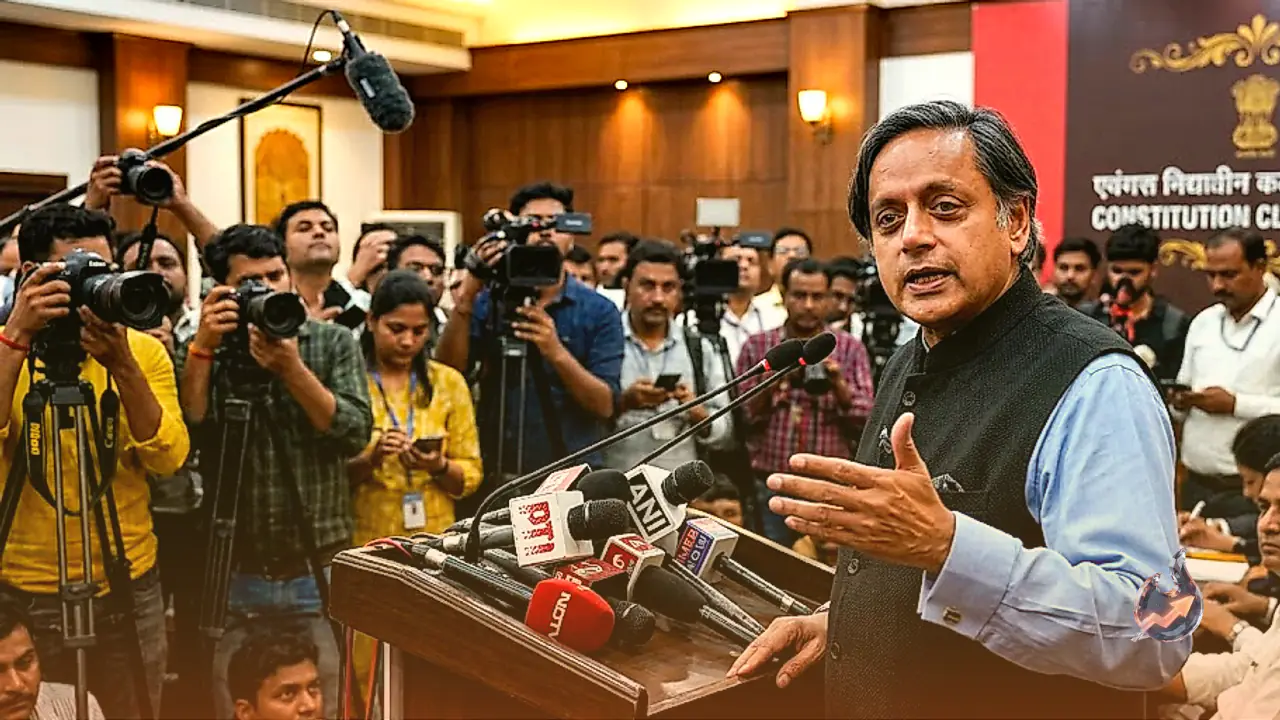















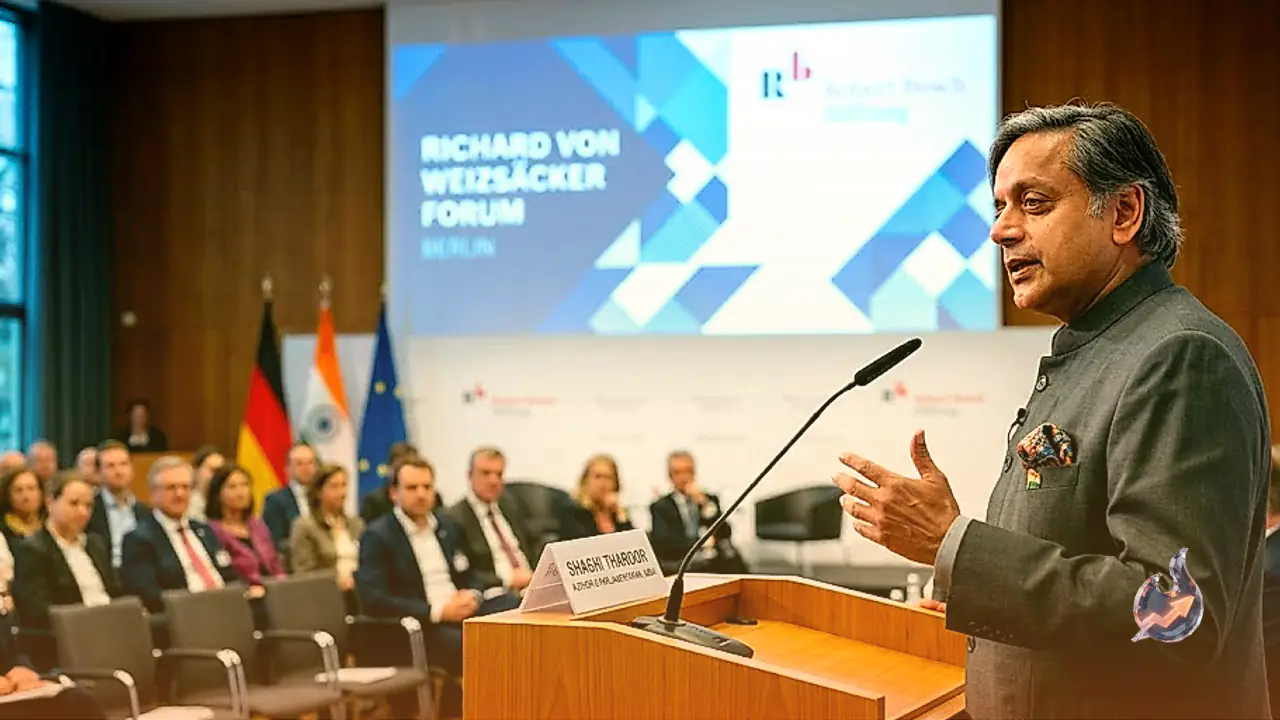

Amid growing friction within the international diplomatic architecture, Shashi Tharoor presented an extensive perspective on contemporary global politics during a high-profile diplomatic gathering in Berlin, Germany. Addressing the Richard von Weizsäcker Forum, he pointed out that the established post-war international order is currently under severe structural strain. As the era of uncontested superpower dominance recedes across the globe, influential middle powers must shoulder a significantly greater collective responsibility to keep cross-border cooperation alive and prevent the fragmentation of multilateral alliances.
Strains on the Post-War Order and the Role of Middle Powers
Speaking on the theme of 'The Middle Power Moment,' Tharoor examined how shifting geopolitical alignments are reshaping traditional power dynamics across continents. The multilateral institutions and conventions established after the second world war are confronting unprecedented friction and erosion. In this evolving landscape, nations that sit outside the primary superpower tier yet command significant regional, diplomatic, and economic weight now possess greater room to manoeuvre and steer global deliberations in meaningful directions.
What the Leader Emphasized
Tharoor stressed that intermediate global players now possess heightened geopolitical agency that must be deployed constructively. As traditional leading powers retreat from their historical commitments or struggle to build unified consensus on pressing challenges, middle powers need to utilize their expanding influence to sustain global dialogue, institutional partnerships, and collective problem-solving frameworks. By coordinating effectively, these nations can ensure that essential international collaboration does not unravel during an era of deepening geopolitical rivalries.
Public Reaction
The address elicited a wave of polarized responses across digital platforms, with significant critical feedback directed toward the leader. While some observers noted the importance of participating in high-level foreign policy discourse, numerous commenters questioned the timing and domestic relevance of the trip. Critical users contended that he should have prioritized ongoing grassroots political developments and public concerns at home rather than travelling abroad to deliver international policy lectures.