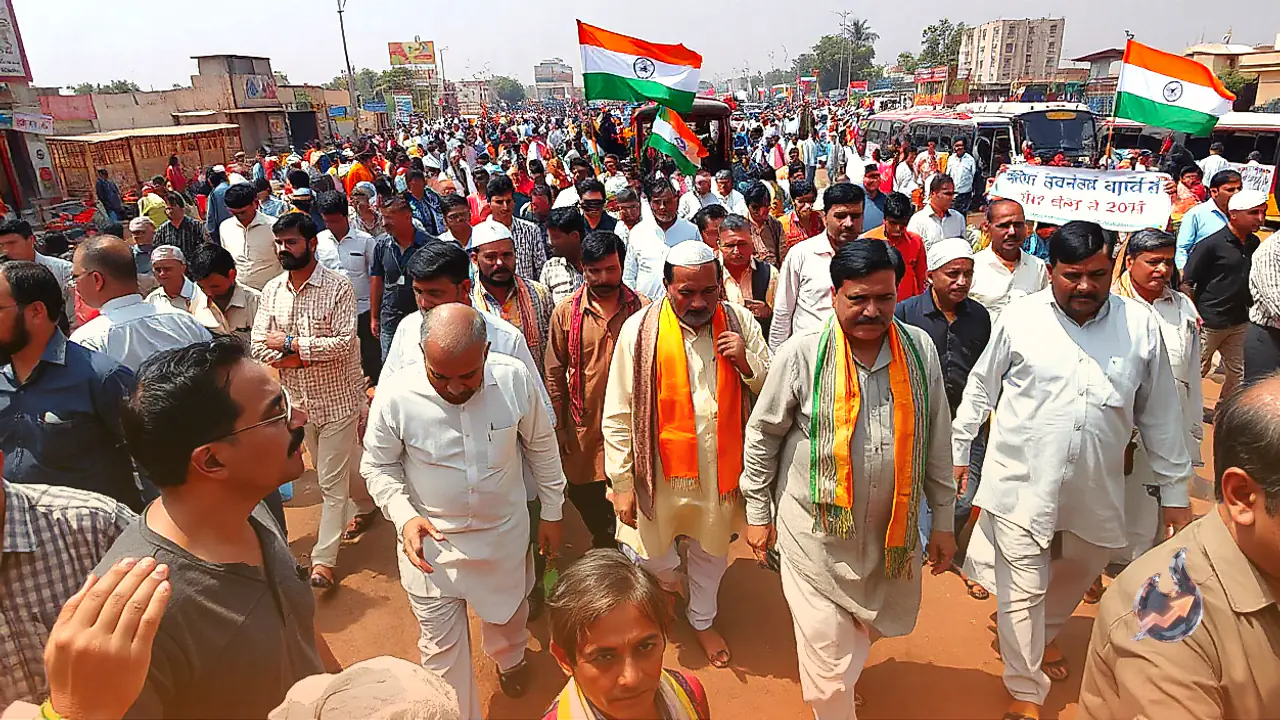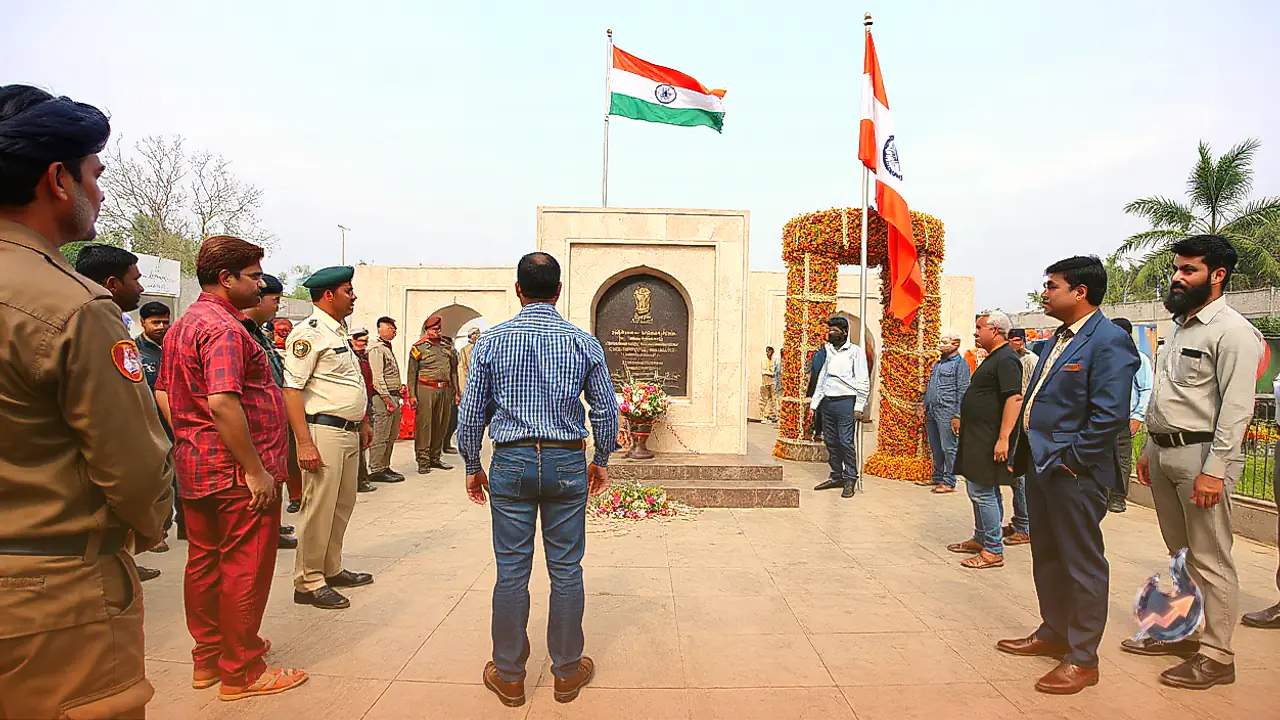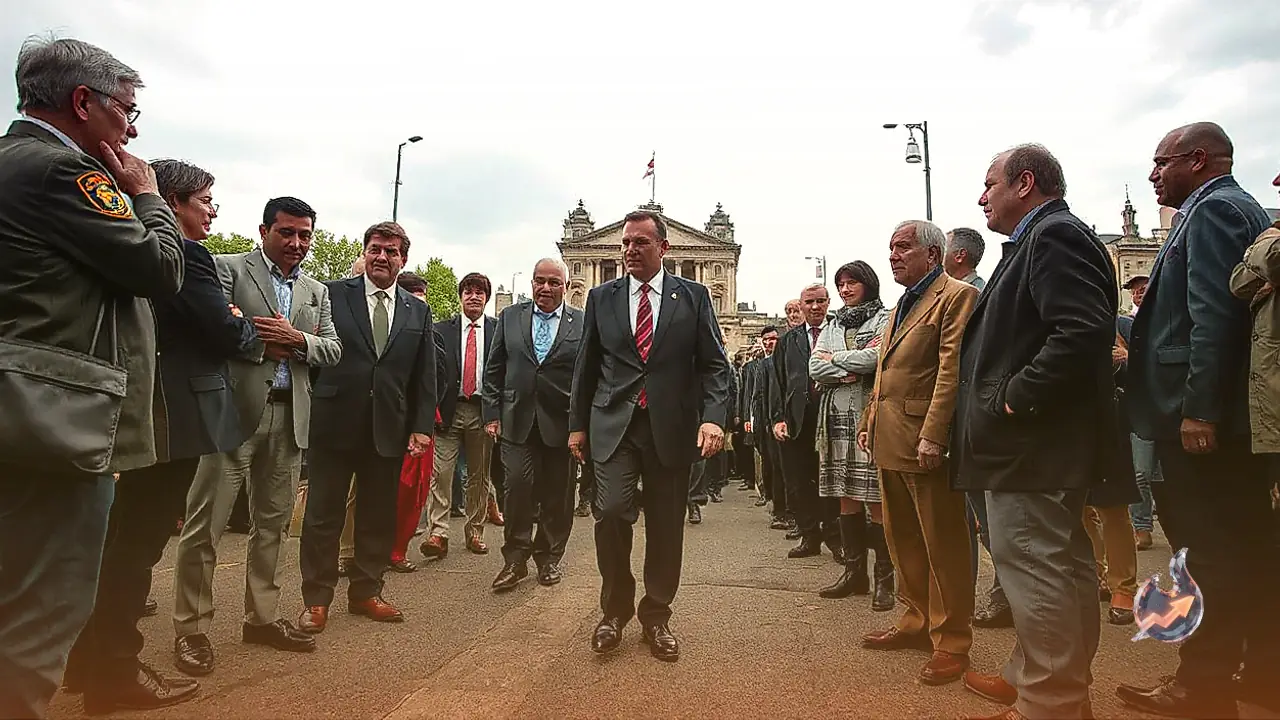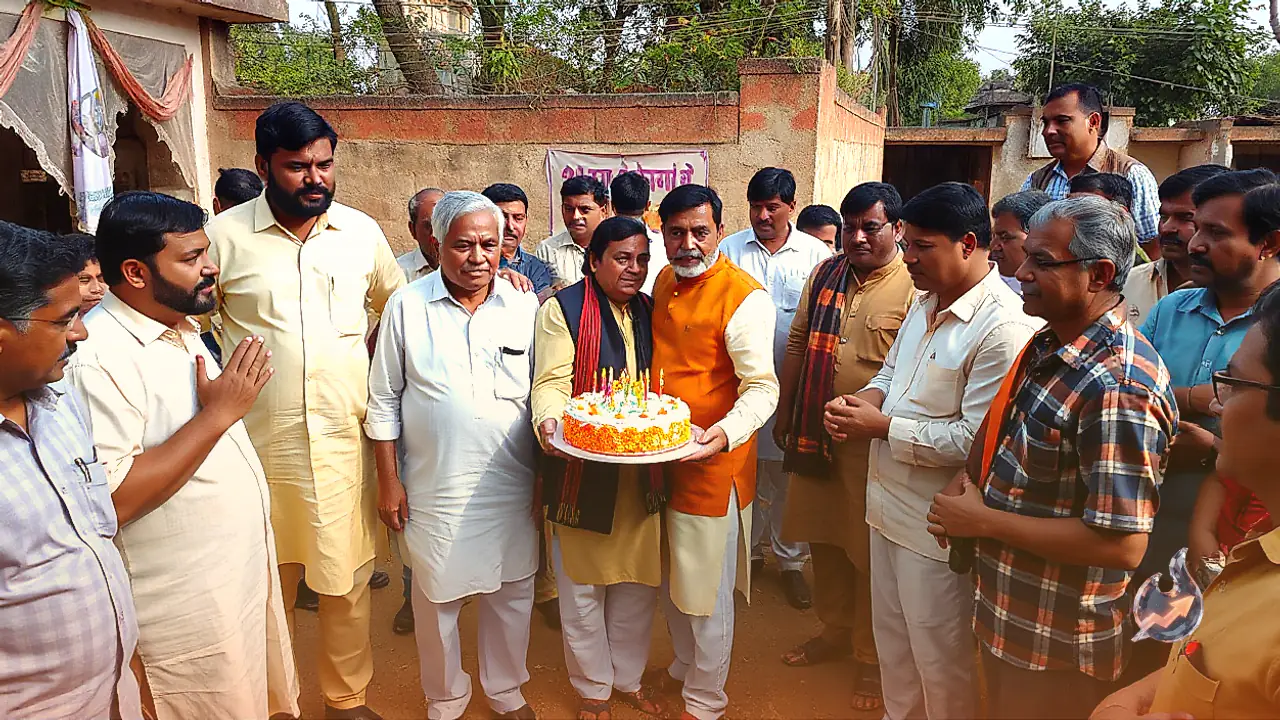




















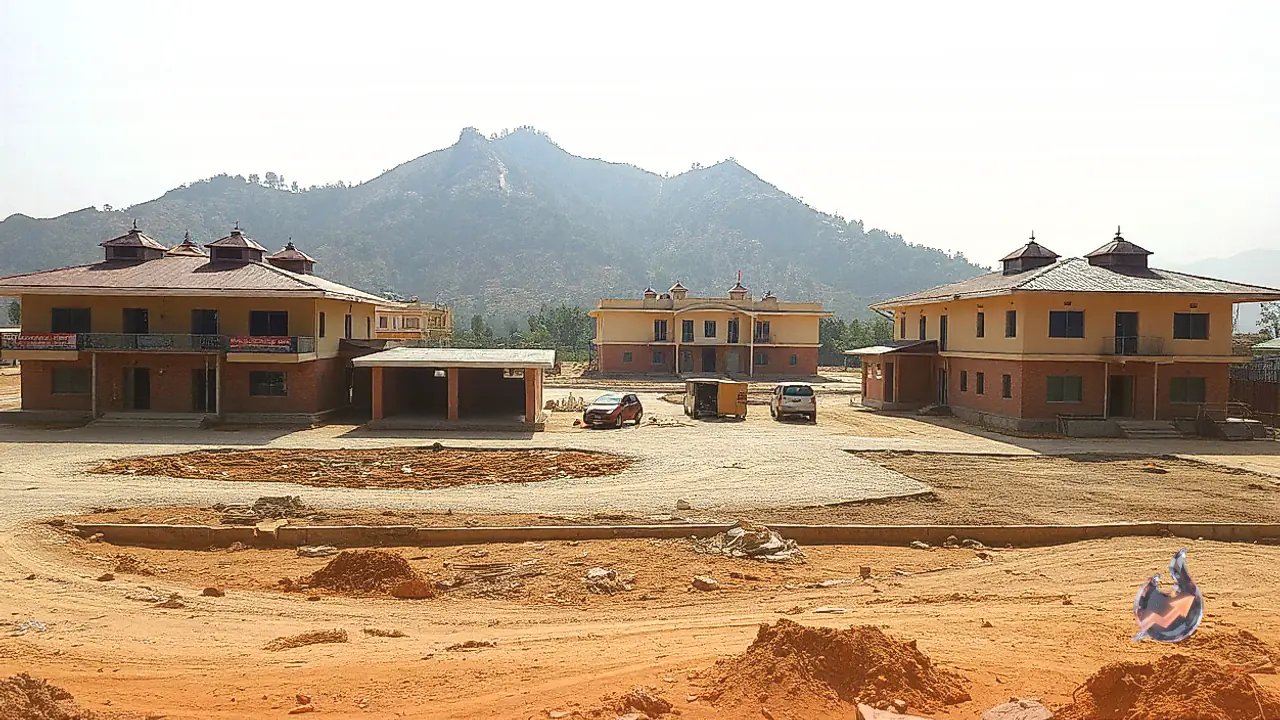

A major push has been given to the infrastructure and regional progress of the northern hill state during a grand event in Dehradun. On the occasion of the Uttarakhand Rajyotsav, development projects amounting to a massive ₹1508 crore were formally inaugurated and laid foundation for. Highlighting the trajectory of the region, it was emphasized that under the current BJP administration, the state has been touching new heights in terms of security, good governance, and overall advancement. These initiatives are designed to bolster connectivity and public utilities across the rugged terrain.
About Uttarakhand
Uttarakhand is a state located in northern India that was established on November 9, 2000, as the 27th state of the Republic of India following years of intense public movement. From the year 2000 until 2006, it was officially known as Uttaranchal, but in January 2007, respecting the sentiments of the local population, the official name was changed back to Uttarakhand. The state shares its international borders with Tibet to the north and Nepal to the east, while Himachal Pradesh lies to the west and Uttar Pradesh borders it to the south. Prior to its formation in the year 2000, this region was a part of Uttar Pradesh. In traditional Hindu scriptures and ancient literature, this territory has been referred to as Uttarakhand, which in Hindi and Sanskrit translates to the northern region or part. Culturally and spiritually, the state holds immense significance as it houses the origins of India's most sacred rivers, Ganga and Yamuna, at Gangotri and Yamunotri respectively, along with several vital pilgrimage sites of Vedic culture situated on their banks.
Expanding Governance and Infrastructure
Over the past few years, various schemes related to infrastructure, connectivity, and social welfare have gained significant momentum across the state. Through this major statehood celebration event in Dehradun, the administration has reiterated its core focus areas. Authorities believe that translating these financial allocations into active groundwork will directly elevate the living standards of residents and generate diverse livelihood opportunities. The overarching policy framework aims to ensure that remote areas receive unhindered access to roads, power, and essential public amenities.
Public Reaction
Following this high-profile announcement and celebratory event, a mixed wave of reactions has surfaced among citizens and on digital platforms. While a section of the public has appreciated the financial investments aimed at regional infrastructure, other observers have raised queries and debated the effectiveness of current administrative strategies.