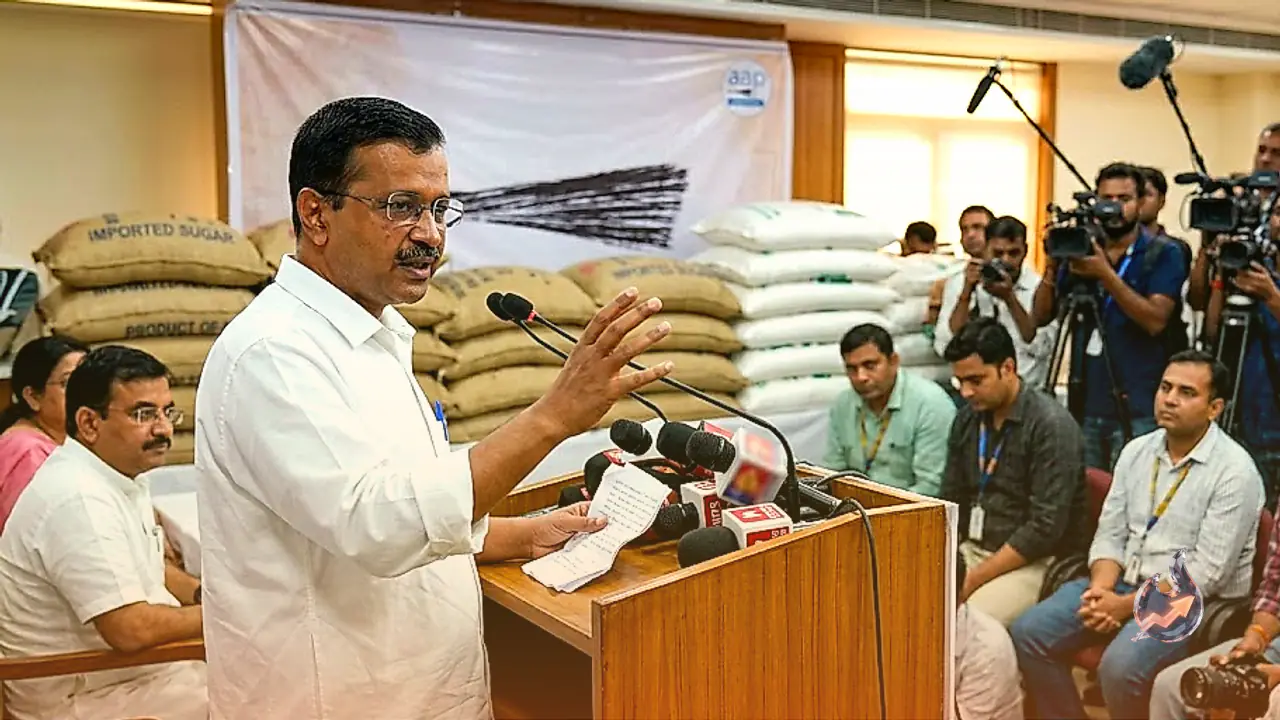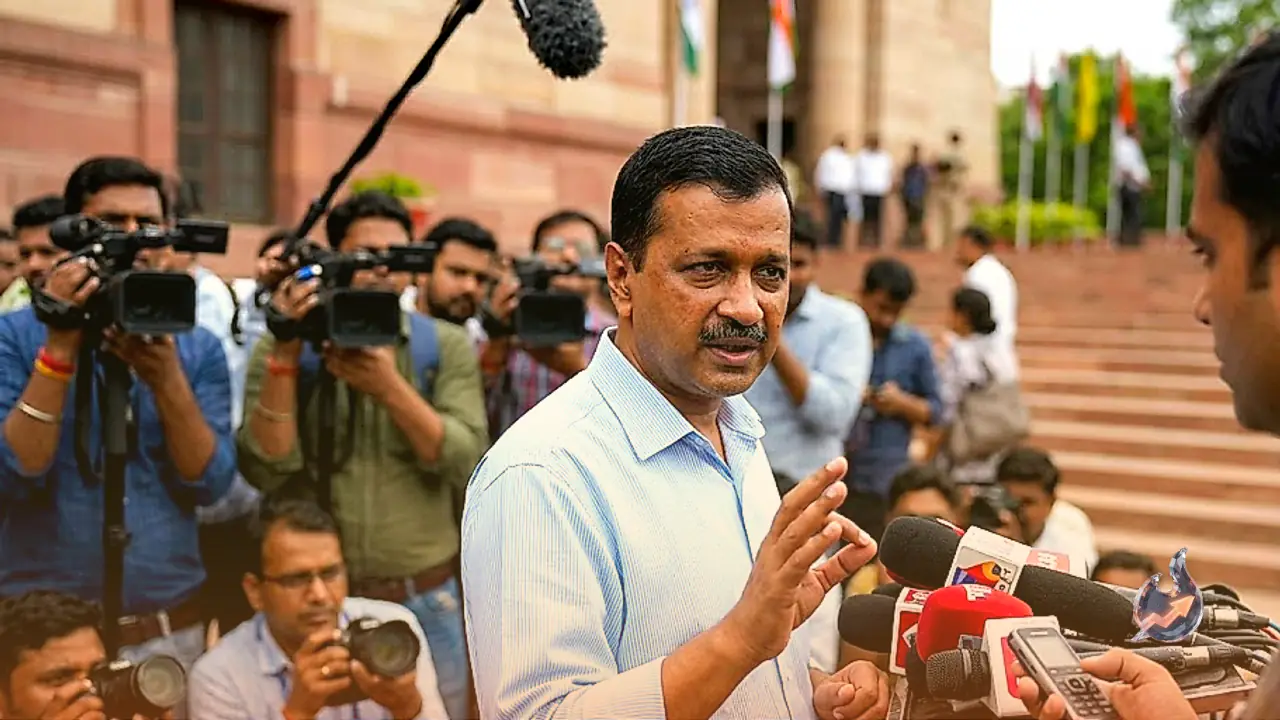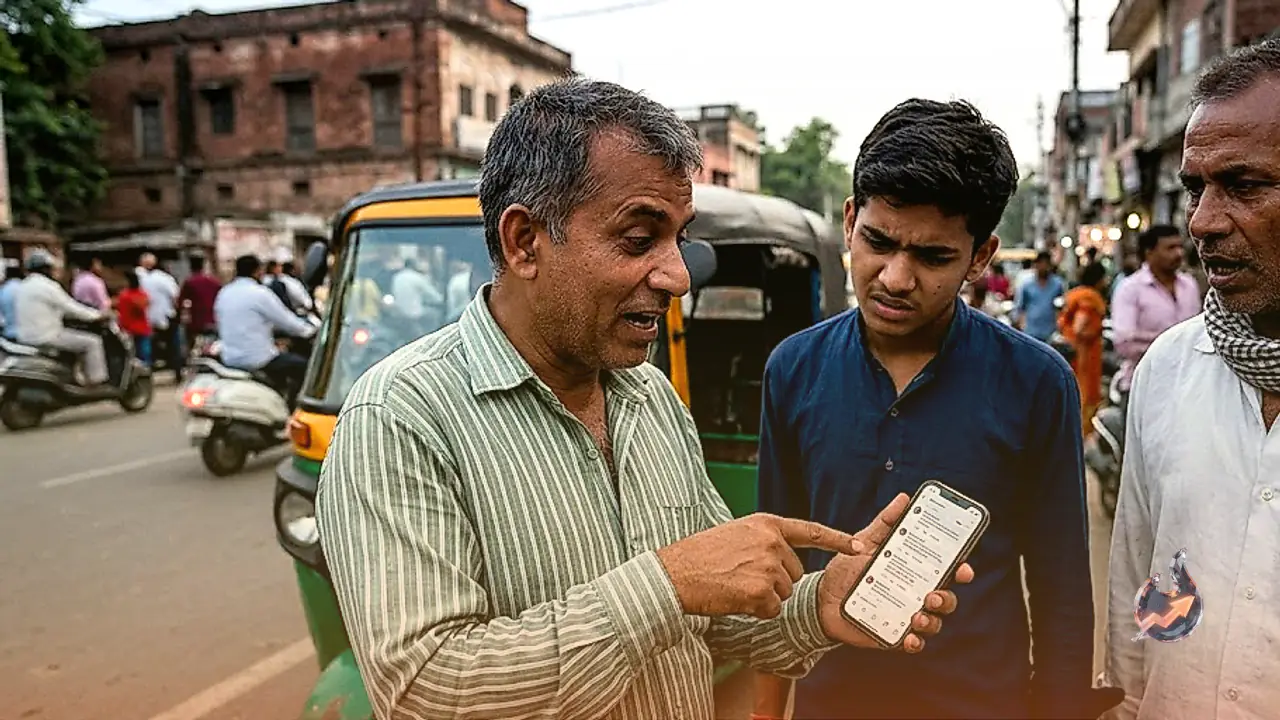








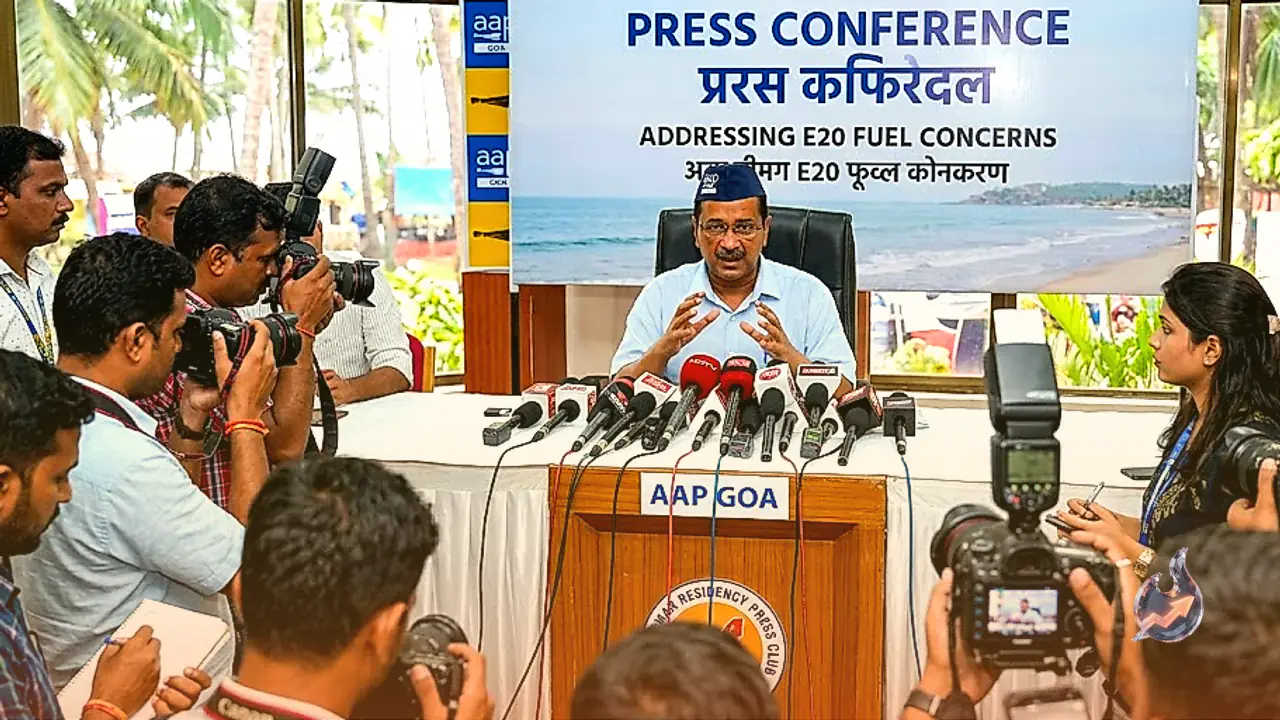















The nationwide rollout of E20 fuel and its potential impact on vehicle longevity has triggered intense public debate, prompting political leaders and citizens to demand greater clarity from policymakers. Amid these growing concerns, Arvind Kejriwal led a major press conference from Goa, broadcasting it live to address critical questions regarding the transition to ethanol-blended petrol. The discussion comes as millions of vehicle owners navigate the uncertainties surrounding engine compatibility and fuel efficiency.
Concerns Over Vehicle Safety and Engine Health
As the government pushes forward with its green energy roadmap to blend twenty percent ethanol into petrol, questions persist regarding how older vehicles will cope with the change. Industry observers note that rubber components in older models, including BS-III and BS-IV vehicles, may face accelerated wear and tear due to the higher ethanol content. While Union Minister Hardeep Singh Puri previously dismissed public anxieties by asserting that any drop in mileage is minor, vehicle owners remain worried about long-term maintenance costs and engine durability.
Demands for Assurances from Automakers
With an estimated thirty crore vehicles potentially exposed to the effects of E20 fuel, calls have grown louder for automobile manufacturers to provide formal written assurances regarding engine safety. Industry bodies such as the Society of Indian Automobile Manufacturers have issued clarifications defending the sector's support for the government initiative while emphasizing that modern engineering standards are evolving. Critics and regional leaders continue to argue that citizens should not bear the brunt of unvetted policy shifts without adequate guarantees and consumer protection measures.
Economic Implications and Policy Debates
The broader debate also touches upon the agricultural and economic trade-offs of diverting sugar supplies toward ethanol production, which critics argue can distort commodity markets and indirectly raise consumer prices. Proponents of the policy maintain that reducing crude oil dependency and cutting vehicular emissions are vital national priorities that outweigh short-term adjustment hurdles. However, consumer advocacy groups and affected motorists continue to press for fuel choice, arguing that vehicle owners should retain access to conventional petrol alternatives.
Public Reaction
The issue has generated polarized public reactions online, with many citizens demanding transparent answers regarding vehicle protection and policy costs, while others support long-term environmental measures aimed at reducing carbon emissions.