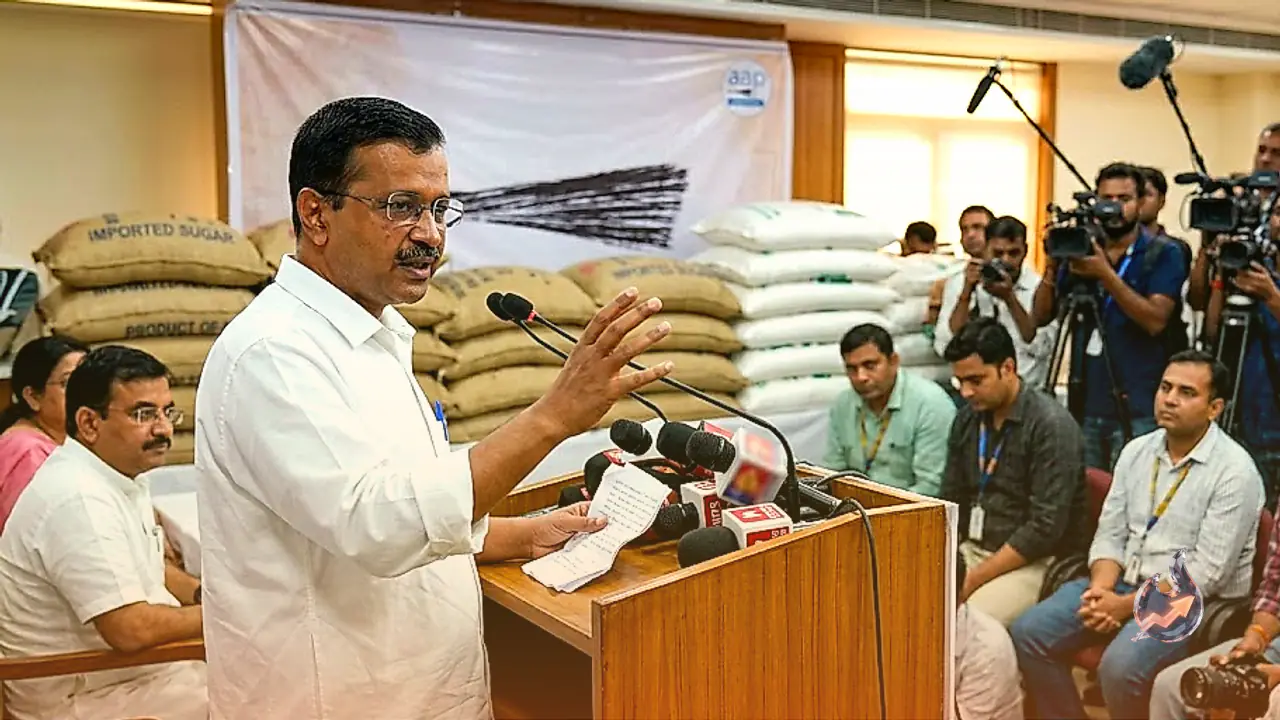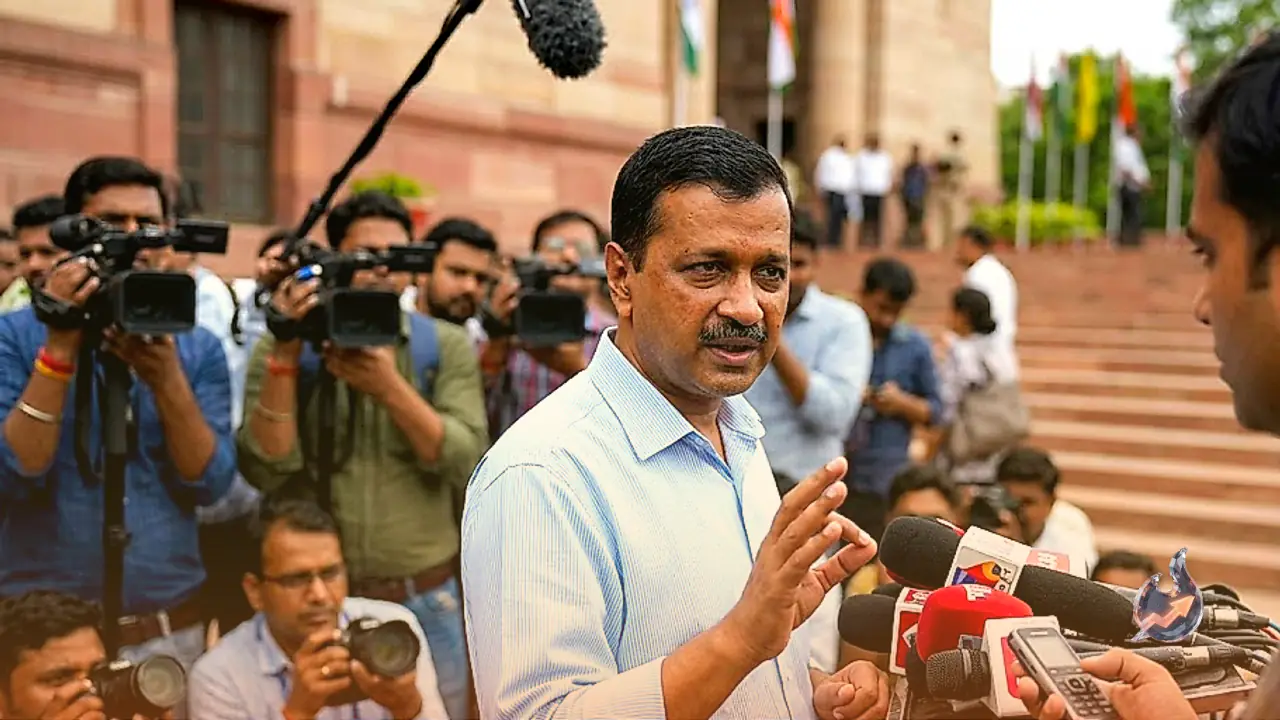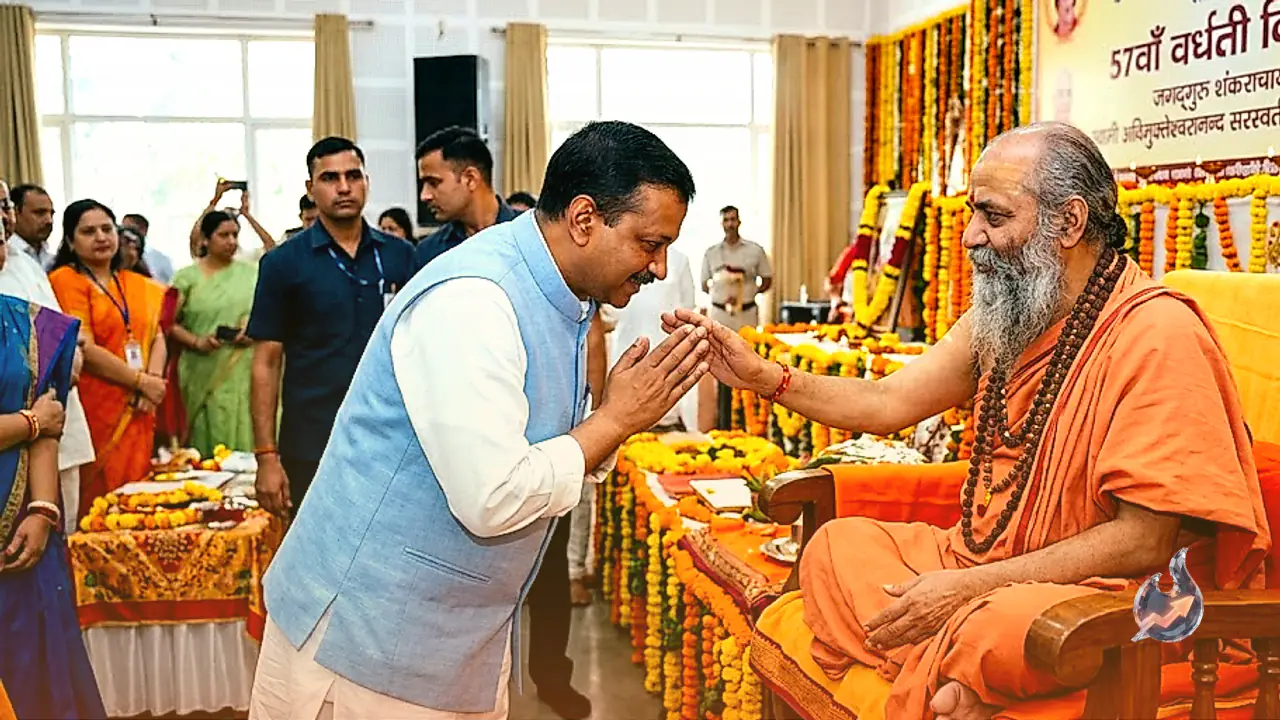




















Aam Aadmi Party leader Arvind Kejriwal has raised serious questions about India's economic performance and per capita income growth, comparing the country's figures with neighboring Bangladesh. In a public statement shared on social media platform X, Kejriwal highlighted concerns regarding the distribution of wealth and average earnings across the nation, triggering renewed debate over national development metrics.
Arvind Kejriwal's Statement and Allegations
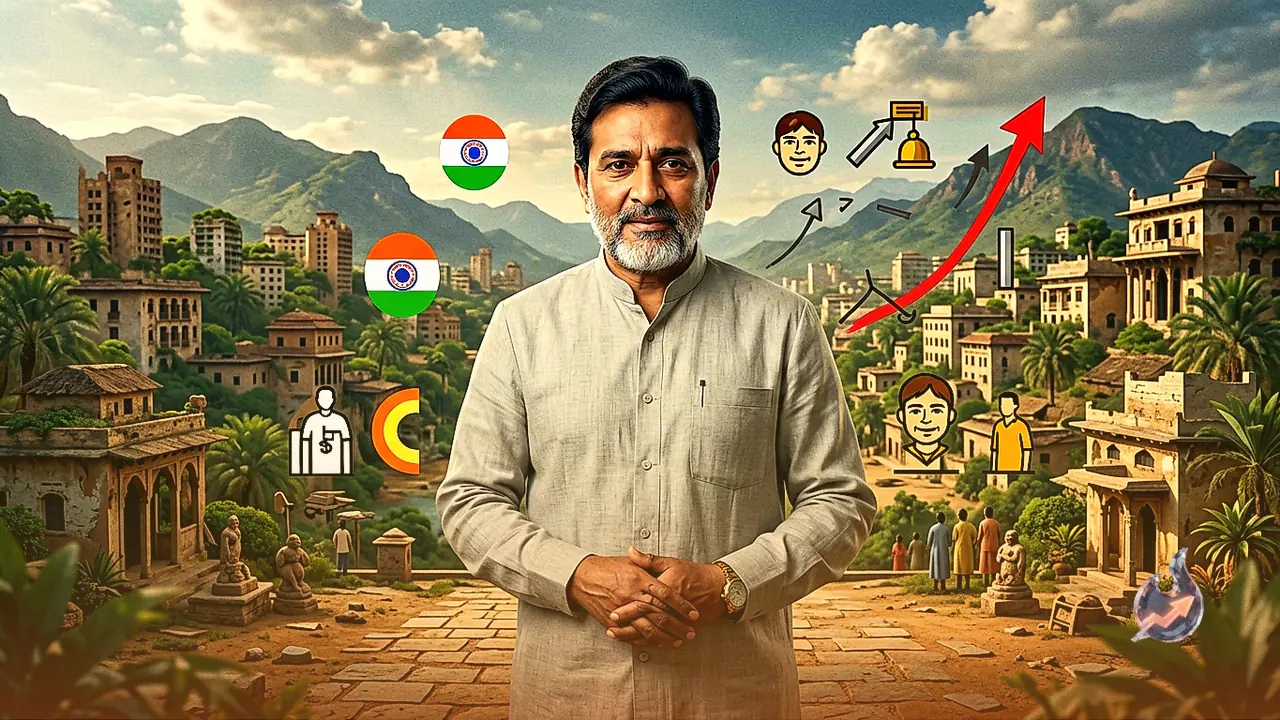
Addressing the economic indicators in his post, Arvind Kejriwal stated, "Today India has fallen behind Bangladesh in per capita income." He directly referenced Prime Minister Narendra Modi, asserting that citizens had elected the leadership with the expectation of building one of the wealthiest nations globally. Kejriwal argued that current economic comparisons reveal a different reality, urging a critical review of federal economic policies and governance outcomes.
Economic Comparison and Per Capita GDP Dynamics
The debate surrounding per capita income highlights broader structural aspects of economic growth. While India maintains a high gross domestic product (GDP) expansion rate, supported by positive projections from institutions like the Asian Development Bank (ADB), wealth concentration remains a central discussion point. Wealth distribution analyses indicate that the top 10 percent of the population holds nearly 65 percent of national assets, impacting individual average income metrics compared to smaller regional neighbors. Additionally, economic ties between India and Bangladesh span critical trade sectors, including grain exports and power supply agreements.
About Bangladesh
Bangladesh is a South Asian nation sharing land borders with India and Myanmar, bounded by the Bay of Bengal to the south. Historically forming part of the Bengal region alongside the Indian state of West Bengal, its borders were defined during the 1947 partition when it became East Pakistan before gaining independence. Today, Bangladesh remains a vital geopolitical and trade partner in South Asia.