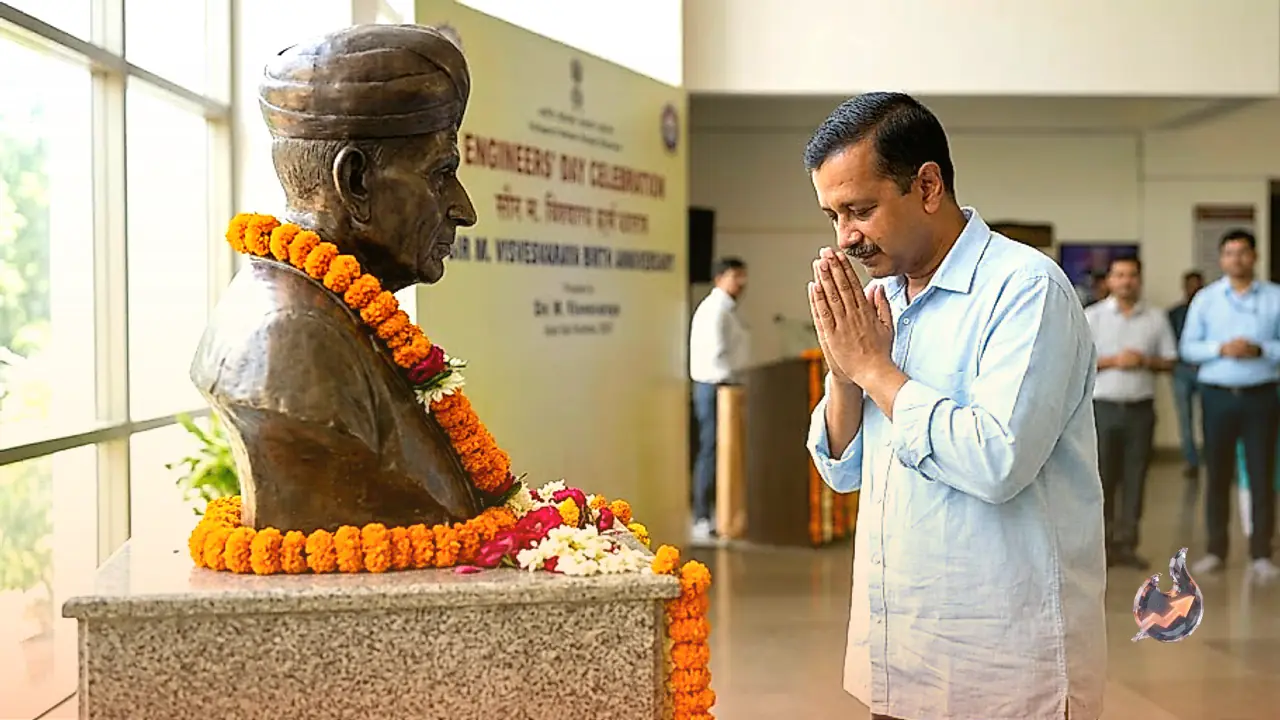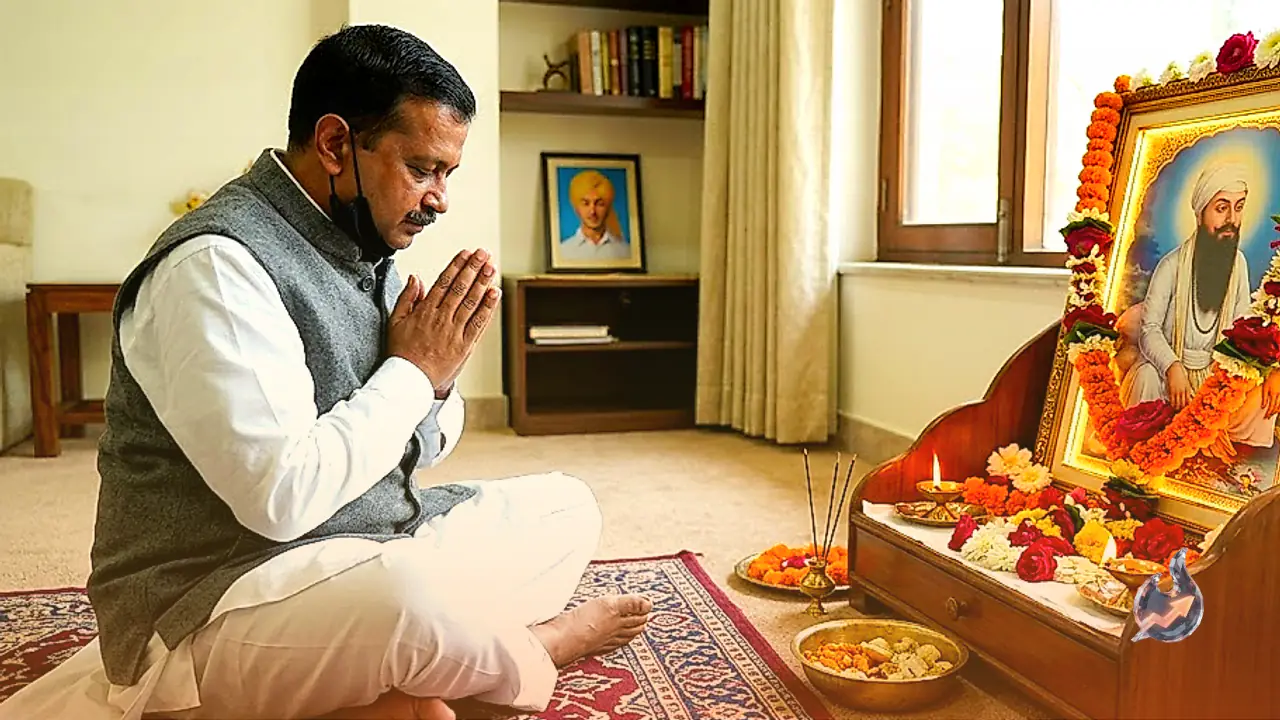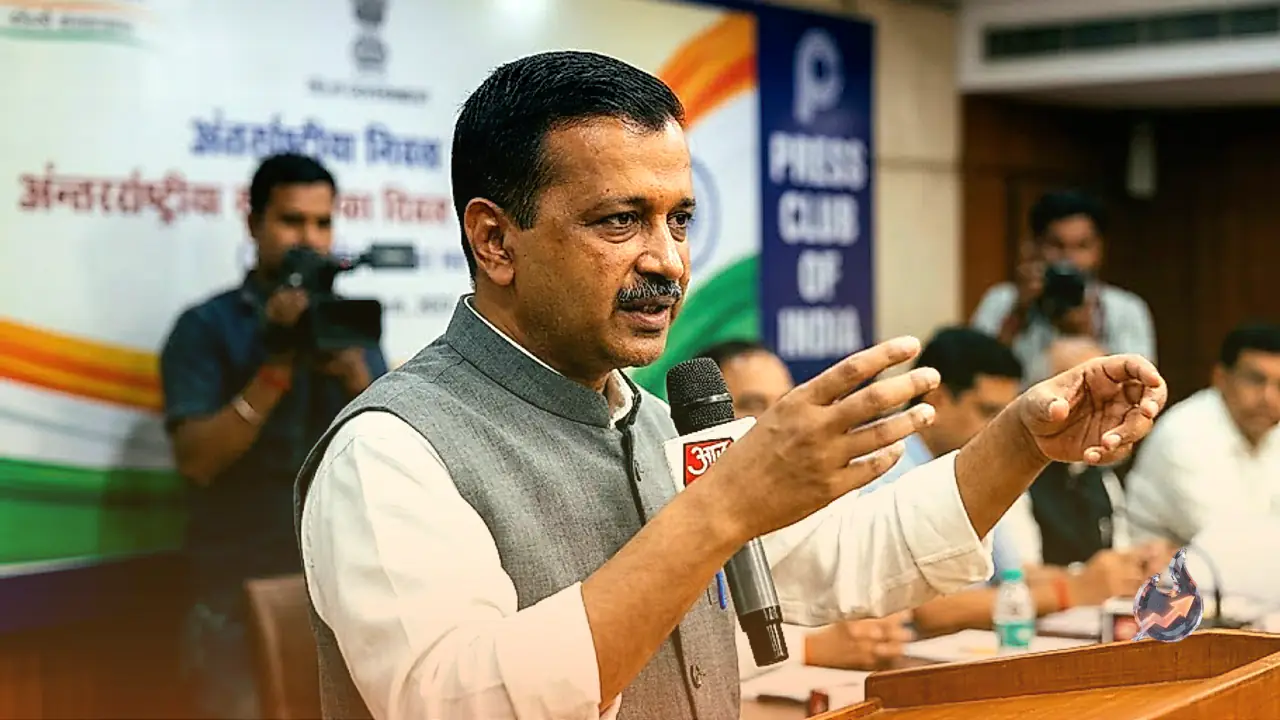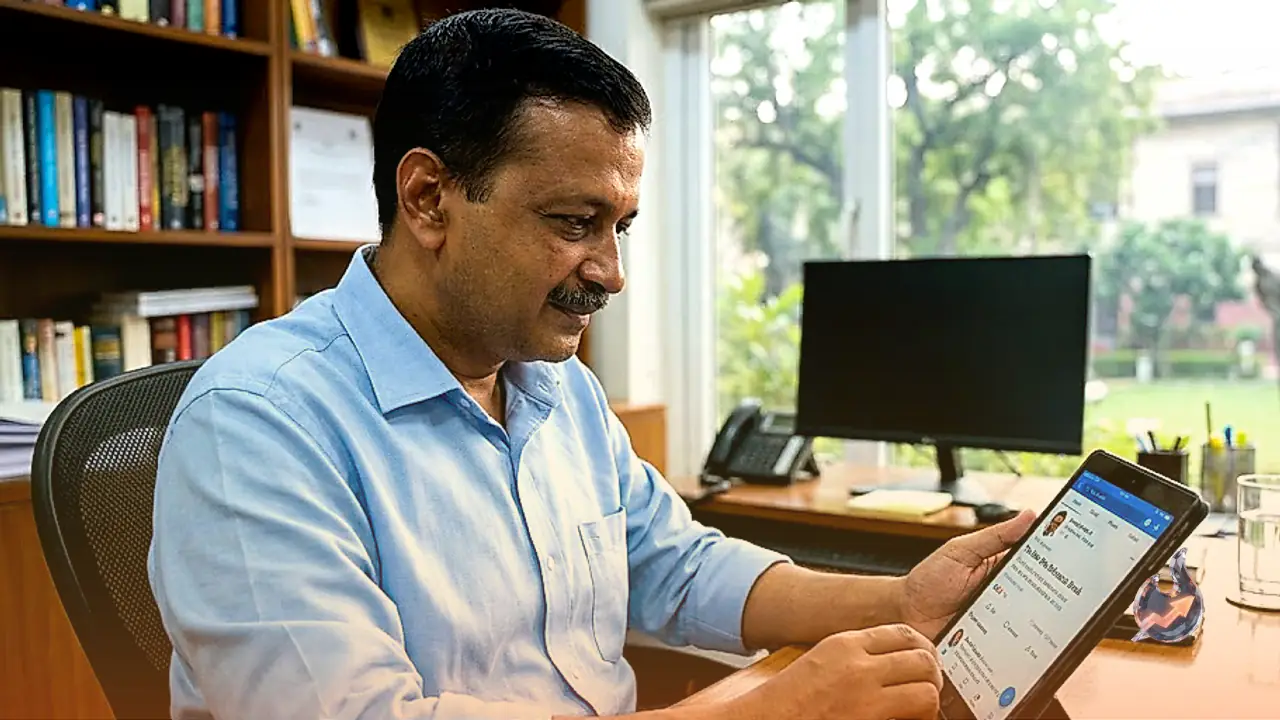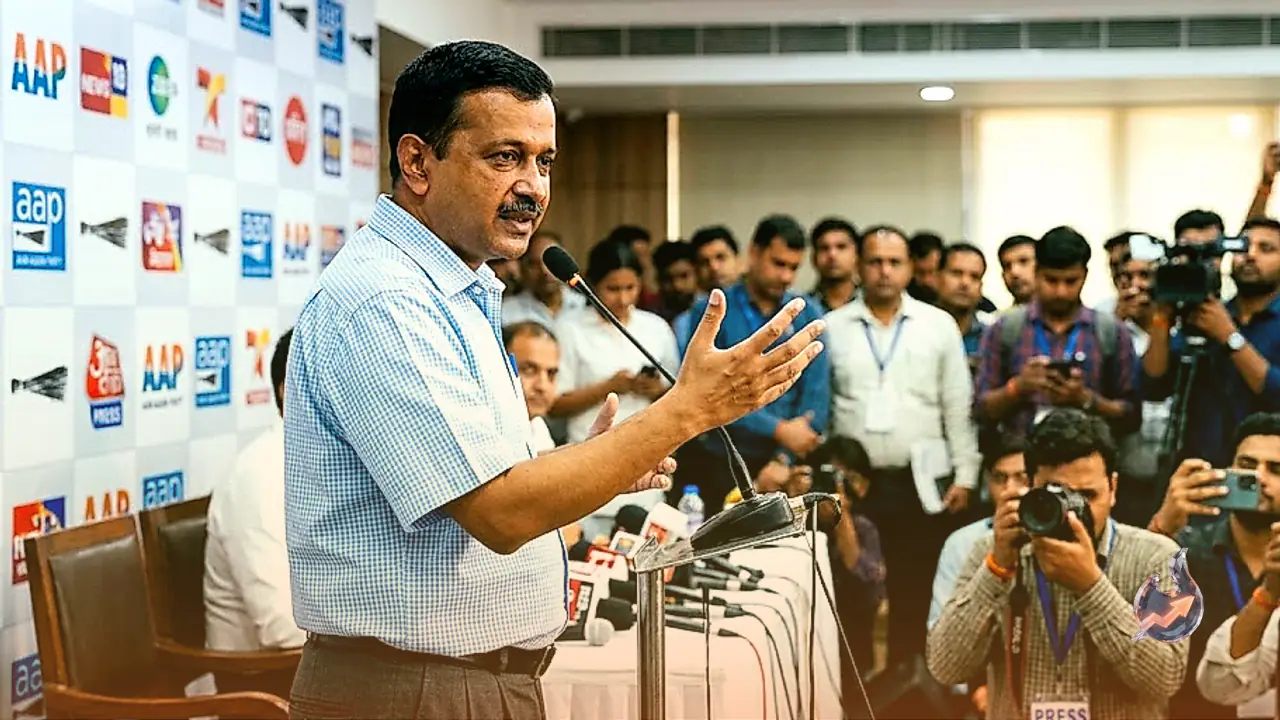

















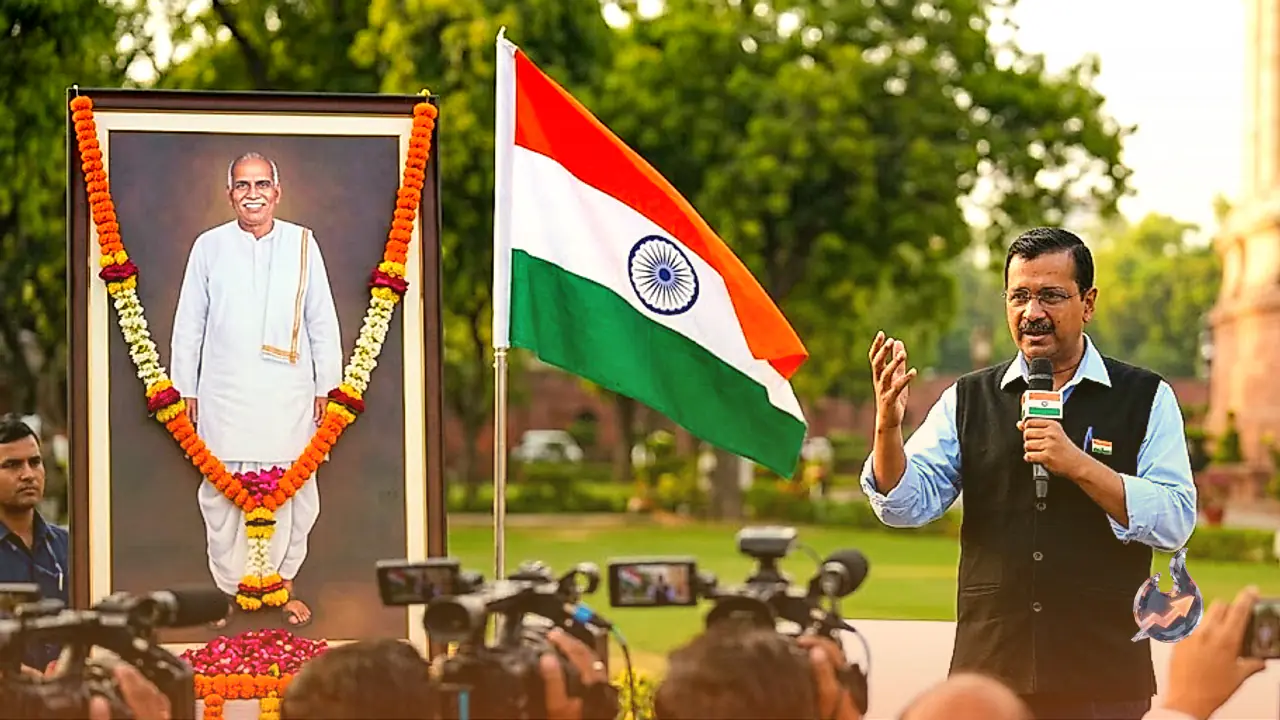

On the birth anniversary of Pingali Venkayya, the eminent freedom fighter and agricultural scientist who designed India's national flag, tributes poured in from across the nation. Marking this occasion, Arvind Kejriwal shared a tribute on the social media platform X, honoring the visionary legacy of Pingali Venkayya. He highlighted the incomparable contribution of the flag designer in shaping the symbol of national pride.
Who Was Pingali Venkayya and His Historical Contribution
Pingali Venkayya holds a distinguished place in Indian history as both a dedicated patriot and an accomplished agricultural scientist. Recognizing the need for an emblem that could unite a diverse nation during the freedom movement, he conceptualized a flag design reflecting unity, strength, and independence. His original design evolved into the official tricolor flag of India. Throughout the struggle for independence, this symbol served as a beacon of hope and national integration for millions of citizens.
Arvind Kejriwal's Social Media Message
Paying homage to Pingali Venkayya on his birth anniversary, Arvind Kejriwal stated, "Bowings to Pingali Venkayya Ji, the designer of our national flag 'Tiranga' and great freedom fighter, on his birth anniversary." He added that the entire nation will remain forever indebted to Pingali Venkayya for his monumental work in shaping India's identity through the national flag.
Journey of the National Flag, Manufacturing, and Protocol Rules
The tricolor has a rich history linked to India's journey to sovereignty. The Constituent Assembly of India officially adopted the tricolor as the national flag on July 22, 1947. The colors of the flag represent profound cultural, spiritual, and national values. In terms of production, the city of Gwalior in Madhya Pradesh plays a crucial role in manufacturing authentic flags. National flags produced in Gwalior are supplied to key national landmarks, including Parliament, the Red Fort in Delhi, and Indian embassies across multiple states, with women workers leading the manufacturing efforts.
Massive displays of the flag also mark national borders, such as the 200-foot-tall national flag installed at Fazilka near the India-Pakistan border in Punjab. To maintain the sanctity of the emblem, citizens are required to adhere to the official Flag Code of India. Proper care and preservation of the flag following major national events, such as Independence Day and Republic Day, remain essential obligations. Initiatives like the Har Ghar Tiranga campaign continue to remind citizens of flag etiquette and the values it embodies.
Public Reactions to the Post
The post by Arvind Kejriwal evoked diverse responses from citizens on social media. Many users joined in paying respect to Pingali Venkayya, affirming that the tricolor remains a timeless symbol of unity and independence. Simultaneously, other users utilized the space to highlight pressing public concerns, including student demonstrations over paper leaks in Ranchi, calling upon leaders to address grassroots issues while honoring historical icons.