






















Veterinarian Dr. Sanjeev Nehru Shares Key Care Strategies to Enhance Cattle Milk OutputIndia
16 Sept 2026, 1:52 pm (51 min ago)· 1

Veterinarian Dr. Sanjeev Nehru Shares Key Care Strategies to Enhance Cattle Milk Output

Optimizing diet, ensuring constant access to fresh water, maintaining clean shelter, and following strict deworming and vaccination schedules are critical for maximizing milk yield in dairy cattle.

A sudden decline in milk yield among cows and buffaloes poses a significant challenge for dairy farmers. Reductions in milk production often stem from deficiencies in daily diet, inadequate sanitation, and erratic management routines. Senior veterinarian Dr. Sanjeev Nehru in Agra has shared key insights for livestock keepers, emphasizing that structured care, balanced nutrition, and hygienic living conditions are fundamental to sustaining optimal milk production levels and preserving overall animal health.

Hydration Needs and Nutrient Dense Feeding Strategies

Maintaining adequate fluid levels and providing balanced nutrition form the cornerstone of effective dairy farming. According to Dr. Sanjeev Nehru, livestock must have continuous access to fresh and clean drinking water throughout the entire day. Water scarcity leads to dehydration, directly impairing a cow or buffalo's capacity to yield milk. Furthermore, farmers must feed their cattle safe, clean, and fresh green fodder alongside balanced feed mixes to satisfy their daily nutritional requirements.

Also read

Role of Mineral Supplements and Salt Licks

Green fodder alone may not supply all the essential micro-nutrients required by high-yielding animals. To bridge nutritional gaps, veterinarians recommend incorporating a balanced mineral mixture into the daily fodder. Placing a block of salt near the livestock allows animals to lick it according to their body's biological needs. However, salt licks are not a remedy for water deficiency or dehydration, making consistent access to clean water irreplaceable.

Shed Hygiene, Seasonal Care, and Rest Management

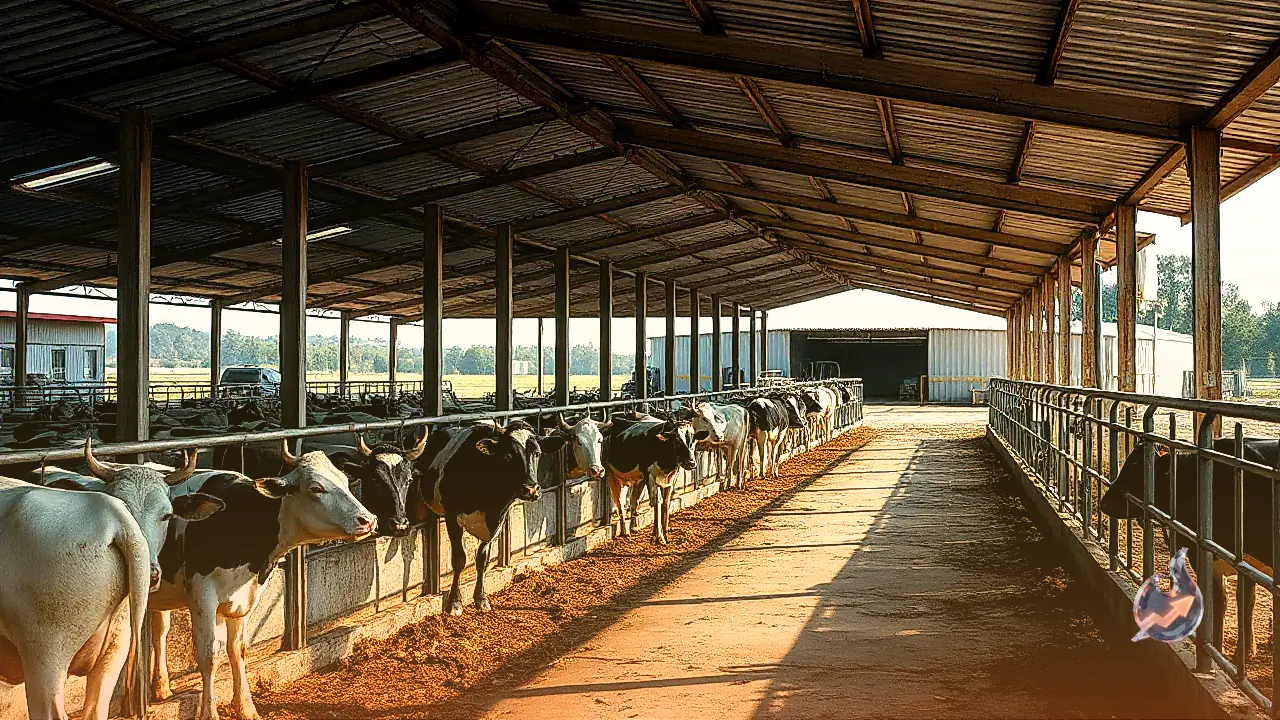
The immediate environment of dairy animals plays a direct role in their overall productivity and wellbeing. Animal shelters should remain clean, hygienic, dry, and adequately ventilated. Seasonal transitions and extreme heat require extra precautions to protect cattle from heat stress. Alongside punctual feeding schedules, ensuring that animals receive adequate rest in a stress-free environment helps maintain stable milk output.

Deworming Protocols and Timely Vaccination

Animals may frequently appear healthy on the outside while harbouring internal parasites that consume vital nutrients inside their digestive system. These parasitic worms rob the livestock of energy and nutrients, causing physical decline and reduced milk production. Regular deworming, administered under the direction of a qualified veterinarian, is essential. The appropriate dosage depends on factors such as the animal's age, weight, and health condition. In addition, strictly adhering to routine vaccination schedules protects herds against dangerous infectious diseases.

Addressing Sudden Milk Loss with Professional Veterinary Care

In cases where milk production drops drastically or ceases altogether, relying exclusively on home remedies can be risky. Dairy farmers should seek immediate medical diagnosis from a licensed veterinarian. Timely professional examination ensures that underlying health issues are identified early and treated with proper medical care.


Questions & Answers

Why is mineral mixture essential in dairy cattle feed?
Mineral mixture bridges micro-nutrient gaps in standard green fodder. It boosts animal immunity and helps sustain high milk production levels.
What is the purpose of keeping a salt lick block near cattle?
A salt block allows cattle to satisfy their physiological sodium needs naturally. However, it does not replace hydration, making round-the-clock clean water essential.
How should deworming medication be administered to dairy animals?
Deworming medication should be given periodically based on veterinarian advice. The exact dosage is calculated according to the animal's age, body weight, and health condition.
What action should be taken if a dairy animal suddenly reduces milk production?
If milk yield drops abruptly, farmers should avoid relying on home remedies and seek immediate veterinary diagnosis. Early medical intervention addresses the exact underlying issue promptly.
What are the ideal living conditions for dairy livestock?
Livestock housing should be clean, dry, well-ventilated, and hygienic. Special shelter care is necessary during hot weather or seasonal changes to protect animals from stress.

Comments 4

Arjun Mehta@arjun-mehta·3m ago

From a public policy and rural governance perspective, this report highlights the critical need for institutionalizing scientific livestock management at the grassroots level. Boosting productivity in the dairy sector requires more than policy formulation; it demands effective agricultural extension services that deliver practical knowledge on nutrition, health, and hygiene directly to farmers. Integrating expert veterinary advisories into local governance outreach can significantly strengthen rural livelihoods and enhance food security.

Aisha Khan@aisha-khan·2m ago

Building on Arjun's perspective, leveraging audio-visual storytelling and regional infotainment formats can play a transformative role in delivering these scientific veterinary practices to rural households. When key care routines are creatively integrated into local television broadcasts, community drama, or engaging digital content, dairy farmers absorb the advice far more naturally. Pop culture and popular media channels can thus serve as vital catalysts for widespread awareness and policy adoption.

Karan Malhotra@karan-malhotra·23m ago

From the standpoint of animal welfare laws and public health safety, relying on sound veterinary guidance for enhancing milk yield is crucial. In pursuit of higher output, illegal chemical usage or unsafe practices often surface, posing severe regulatory violations and public health hazards. Articles promoting lawful, scientific care encourage livestock keepers to operate strictly within legal boundaries, thereby reinforcing food safety standards, preventing animal cruelty, and safeguarding the overall dairy supply chain.

Ravikash Gupta@ravikash·22m ago

Building on Karan's point from an economic and market perspective, the dairy sector is a vital pillar of the rural economy. When livestock keepers rely on scientific, veterinary-guided protocols rather than unsanctioned quick fixes, it brings much-needed stability to the supply chain. Sudden drops in milk yield directly affect smallholder incomes and household cash flows. Adopting preventive healthcare, balanced nutrition, and timely deworming reduces financial risks associated with asset loss, strengthening the operational reliability of organized dairy processors and reinforcing long-term market stability.

Citizen journalism

Become a TrendKia journalist

Voice of the people

Share news, photos and videos from your area with TrendKia and let your voice reach the nation. Every citizen a journalist.

Join now
CH 01 LIVE
TrendKia TV ON AIR