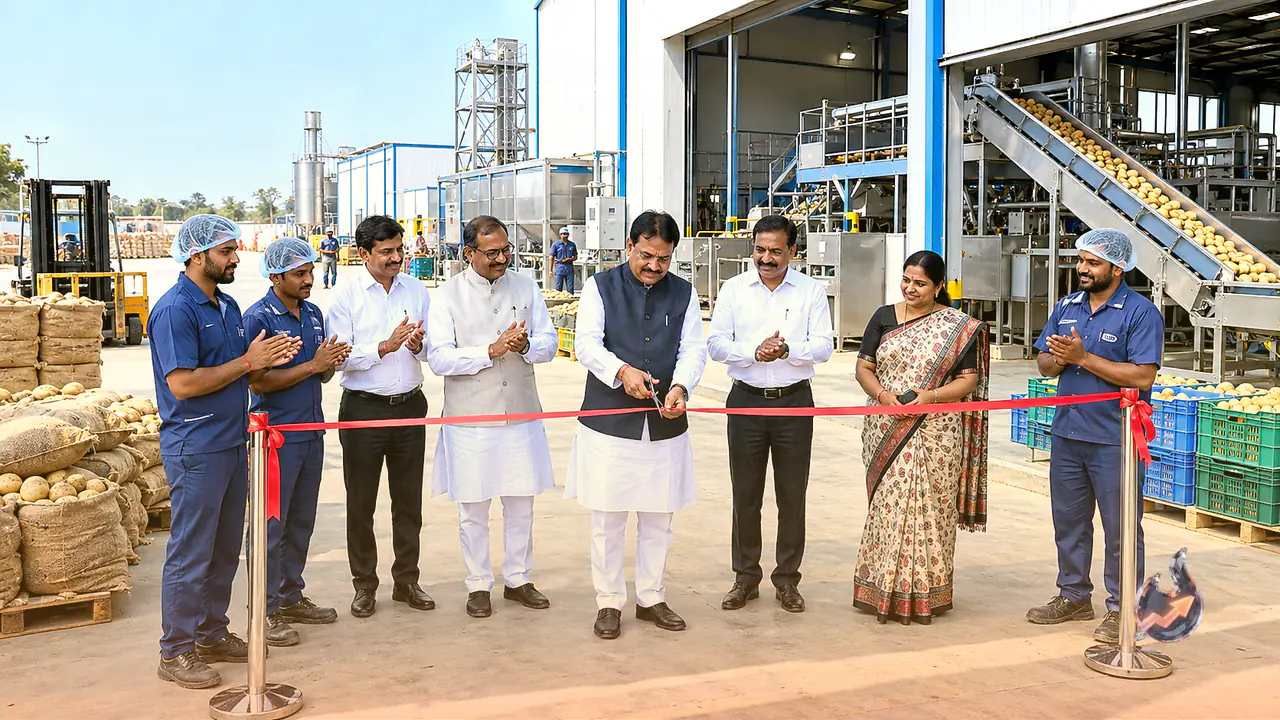
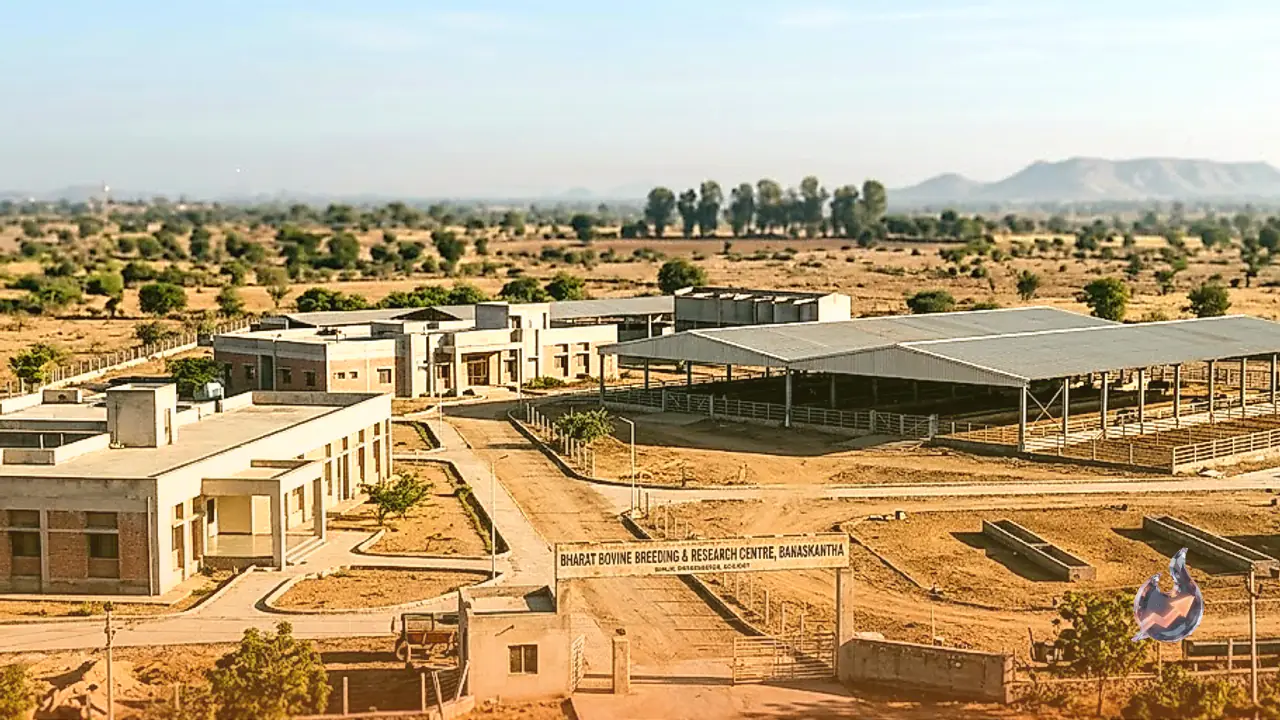


















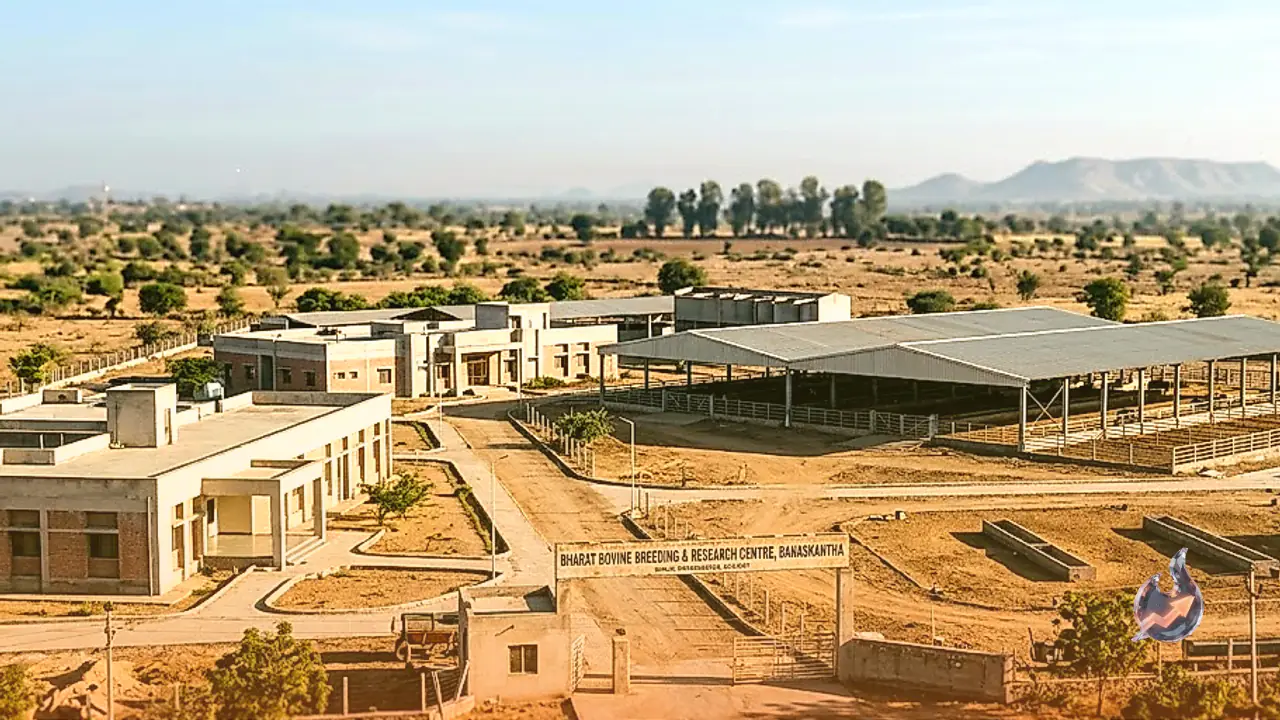

A modern veterinary facility, the Bharat Bovine Breeding and Research Centre, has been established in Banaskantha to advance livestock science and bovine genetics. The specialised research hub focuses on cutting-edge reproductive technologies designed to upgrade indigenous cattle stock, enhance dairy output, and build a more resilient rural economy. By improving the genetic quality of livestock, the initiative seeks to deliver higher yields and stronger income security for farming communities.
Broader Push for Indigenous Breed Conservation
The facility in Banaskantha aligns with extensive nationwide initiatives aimed at safeguarding and enhancing domestic bovine genetic diversity. Infrastructure projects such as securing continuous water supply for the National Kamadhenu Cattle Breeding Centre in Nellore, alongside long-term research efforts at Lam Farm to preserve the Ongole breed, underscore the institutional backing for native livestock. Recent breakthroughs by the Indian Council of Agricultural Research and IVRI in producing Sahiwal calves via assisted reproductive technologies, the official recognition of the Periyar cattle breed, and conservation efforts around unique varieties like the diminutive Punganur cow reflect this continuous scientific focus.
Scientific Facilities and Agricultural Prosperity
The Banaskantha centre demonstrates how modern animal husbandry techniques can be effectively deployed on the ground. Described as innovation driven by clear purpose, the facility is designed to convert veterinary advancements into steady commercial value for dairy farmers. Access to superior genetic stock helps reduce vulnerability to herd ailments, minimises economic losses, and provides a sustainable base for agricultural families to stabilise their earnings over time.
Public Reaction
Citizens and observers welcomed the initiative, highlighting that integrating technological innovation with animal husbandry will substantially empower dairy farmers and secure their financial future. At the same time, some members of the public raised broader questions regarding policy execution and livestock administration across the country.