


















Extensive destruction across Middle Eastern refining facilities and energy infrastructure, coupled with lingering volatility surrounding transit safety in the Strait of Hormuz, has kept worldwide petroleum valuations significantly elevated. American citizens are bearing the economic fallout on a massive scale. Analysis from the Center for American Progress indicates that overseas hostilities have imposed a financial penalty of no less than $1,200 on every US household. Such ballooning expenses have caused domestic backing for the armed conflict to plummet, turning Tuesday's midterm elections into a broad judgment on the administration's stewardship of the financial disruption. Sensing an opening, Democratic strategists are focusing their messaging on regions where steep hikes in diesel, domestic heating reserves, and agricultural inputs dominate voter concerns.
Spiraling Diesel Expenses Intensify Texas Political Showdown
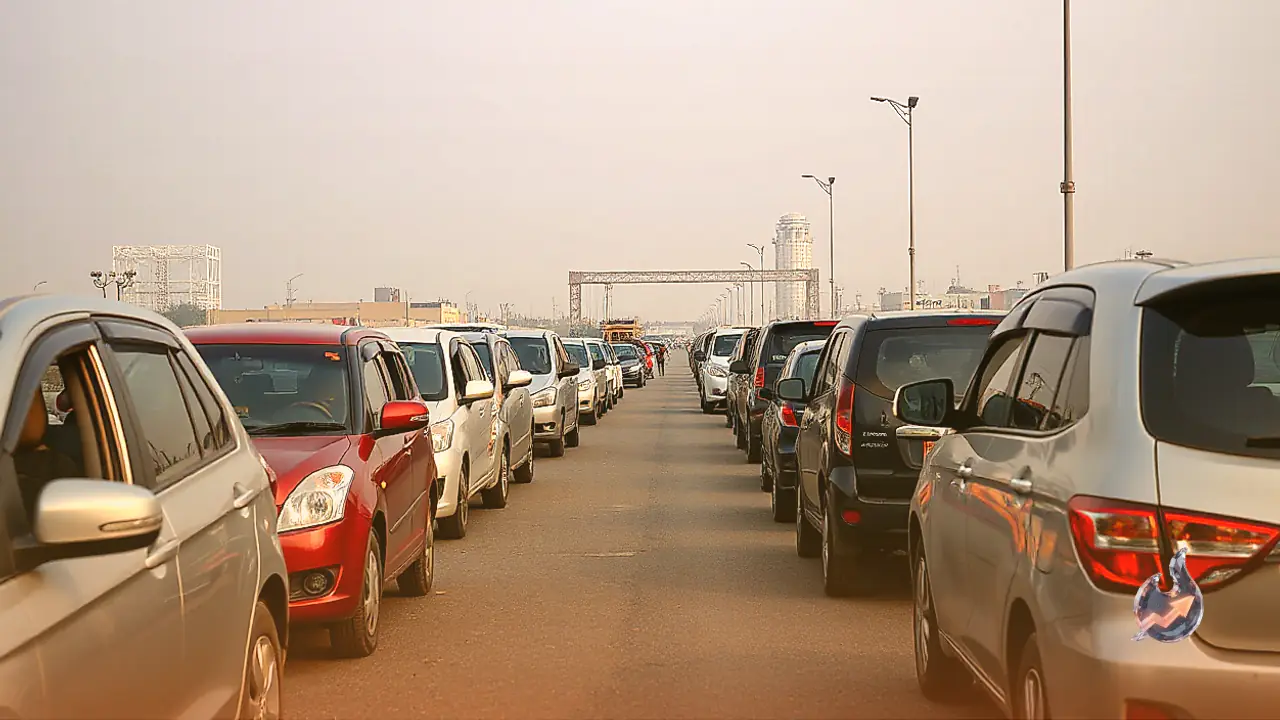
While escalating diesel expenses create headwinds nationwide, the strain has reached emergency levels in Texas. Confronting historic price spikes, Governor Greg Abbott formally proclaimed a state of emergency last month concerning commercial fuel values. Texas had long enjoyed access to some of the most budget-friendly diesel distribution networks in the United States, yet pump prices inside the state have surged beyond 80 percent relative to last year's figures. According to motoring figures compiled by AAA, commercial fuel across Texas currently commands a premium of approximately 10 percent above the prevailing national baseline.
Facing an aggressive reelection challenge, Governor Abbott finds his record under scrutiny from Democratic contender Gina Hinojosa, who has turned the geopolitical conflict and domestic energy inflation into her central argument. She has repeatedly insisted that Abbott immediately suspend the state fuel levy assessed on diesel supplies. Following the emergency proclamation, the Texas Democratic Party pushed Abbott to urge Donald Trump to terminate contentious tariffs and bring an end to military engagements that continue to inflate everyday operational expenses for local residents.
These energy pressures have similarly transformed the hotly contested Senate matchup featuring Democrat James Talarico and incumbent Texas attorney general Ken Paxton. Talarico has pressured Paxton to join bipartisan calls for halting the federal excise tax on motor fuels, an initiative previously endorsed by prominent Republicans, including Trump. Furthermore, Talarico directly accused Paxton of standing behind overseas military operations that have fueled catastrophic surges in transportation costs.
Heating Fuel Surges Cloud Winter Outlook in Maine and the Northeast
As colder temperatures approach, energy inflation poses a severe logistical hurdle for the northern Atlantic coastline. Across the nation, roughly 4.9 million residences rely upon petroleum-based fuel systems for space heating, with more than 80 percent of those dwellings concentrated specifically within the Northeast corridor. Reliance is most extreme in Maine, where over 50 percent of all homes depend upon residential heating oil deliveries throughout the winter months.
Retail rates for heating fuel have roughly doubled compared to levels observed twelve months ago, injecting intense tension into Maine's high-stakes Senate contest between longtime incumbent Republican Susan Collins and Democratic challenger Troy Jackson. Local Democratic operatives have repeatedly pointed to Collins' initial backing of military intervention in the Middle East, even though she has transitioned toward opposing the hostilities over recent months. Demonstrating the acute political vulnerability surrounding heating expenses, the federal administration recently authorised an emergency release from strategic heating oil reserves in an effort to provide short-term price relief.
Mark Wolfe, who directs the National Energy Assistance Directors Association, observed that ordinary households are facing drastically higher bills just to replenish their storage tanks before winter. His association projects that residential consumers across the northeastern states could shoulder an extra $3.8 billion in heating oil outlays this winter season. Wolfe emphasized that unlike commercial diesel increases, which filter indirectly through consumer goods, home heating deliveries represent an immediate, unmediated expense that directly drains voter bank accounts.
Surging Agricultural Inputs Batter Midwest Farmland Battlegrounds
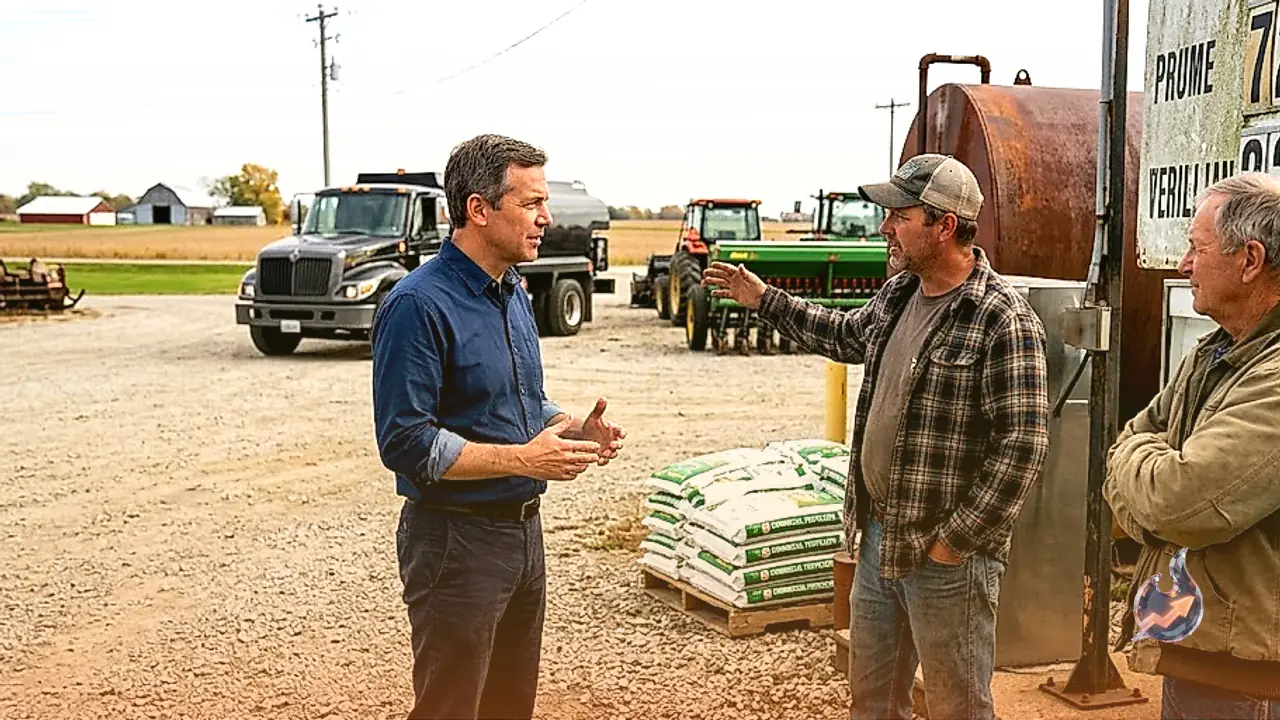
Beyond transportation overhead, the agricultural sector is contending with an unprecedented spike in chemical fertilizers. Key nitrogen-rich compounds such as ammonia and urea are synthesized from natural gas derivatives, with a substantial portion of global capacity centered in the Middle East. Although some damaged facilities have resumed partial operations, total manufacturing output remains depressed well beneath peacetime norms, causing global urea prices to leap earlier this year.
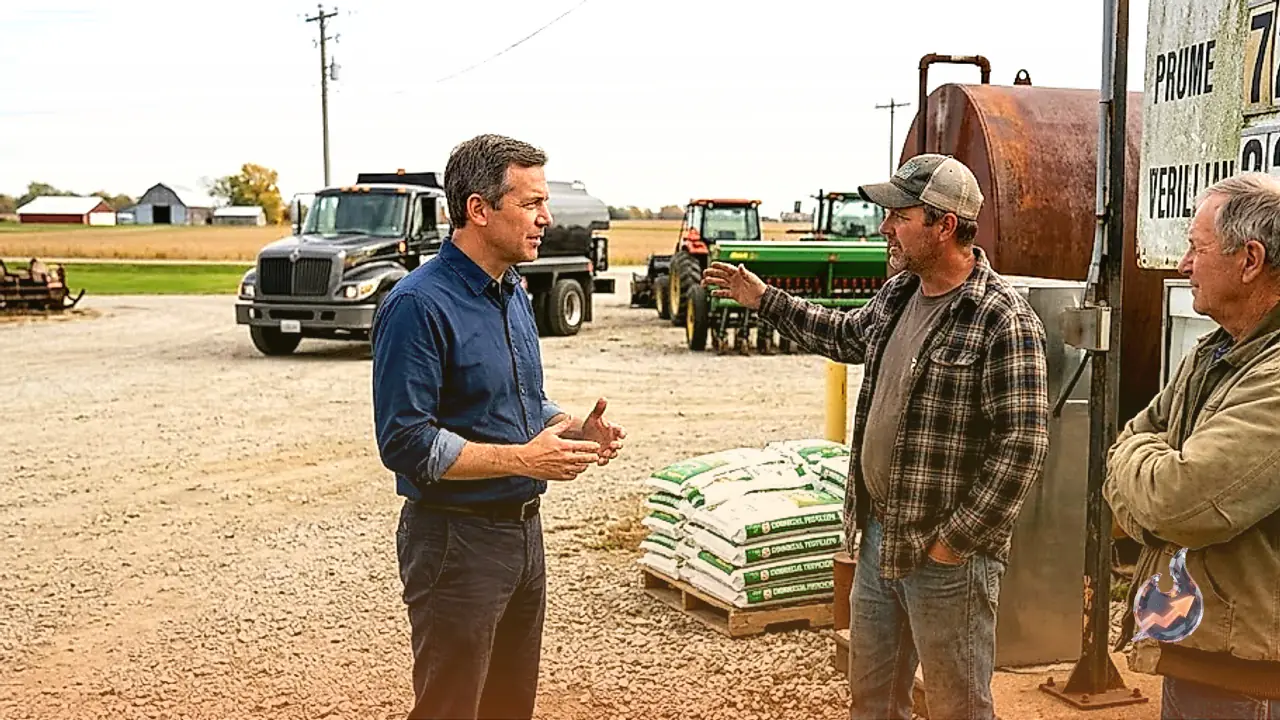
StoneX fertilizer vice president Josh Linville pointed out that growers planting staple grains like corn and wheat simply cannot bypass nitrogen applications if they hope to yield viable crops. Simultaneously, sulfur, another essential petroleum refining derivative used in specialized soil nutrients, has witnessed its market price more than double since January due to maritime logjams across the Persian Gulf. According to Linville, growers relying on sulfur formulas are being backed into cornered management decisions regarding crop care.
These acute farm-sector anxieties have propelled fertilizer pricing to the center of tight Senate races spanning Ohio, Iowa, and Illinois. Democratic-aligned group VoteVets launched a targeted advertising campaign in Iowa against Republican Senate contender Ashley Hinson, focusing specifically on her previous legislative votes endorsing military actions against Iran. The advertisement highlighted historical spikes in fuel and fertilizer alongside struggling family operations, questioning Hinson's legislative stance in Washington.
Meanwhile, across Ohio, Democratic challenger Sherrod Brown has circulated campaign messaging attributing soaring fertilizer and diesel outlays to incumbent Republican senator John Husted, emphasizing his legislative votes backing foreign conflict. Whether these economic pressures will persuade traditional agricultural constituencies to pivot toward Brown remains an open question. Nevertheless, rural operating costs continue to escalate with little prospect of stabilization amid ongoing tensions near Iran. As Linville remarked, modern farmers are no longer asking how to turn a profit, but rather how to minimize catastrophic financial losses in the coming cycle.