





















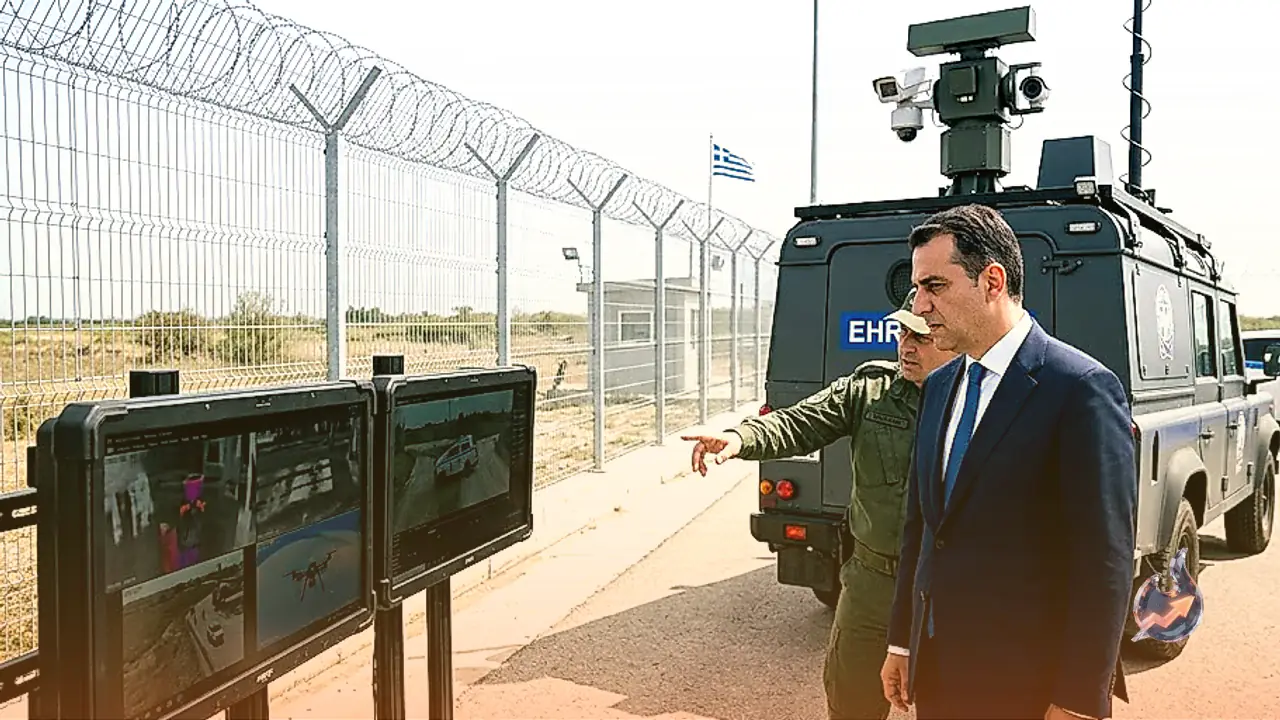

Donald Trump shared a report on social media pointing out how political developments in the United States have impacted immigration and border enforcement strategies globally. The focus of the highlighted report centers on Greece's migrant control operation center and the country's intensified efforts to curb unauthorized immigration across its borders.
Shift in Global Border Operations
According to statements highlighted in the post, immigration officials in Greece have reported a notable shift in international border enforcement practices following recent elections in the United States. Greek authorities have been operating sophisticated monitoring facilities to track illegal entry routes across maritime and land borders. The operation center manages surveillance, intelligence coordination, and rapid response units targeting unauthorized migration passages.
Greece's Broader Security Measures and Anti-Smuggling Action
The operational changes in Greece form part of a wider series of border control initiatives across Europe and neighboring regions. Greek law enforcement, in coordination with international agencies like Europol, Interpol, and Eurojust, has targeted human trafficking rings operating across the Balkan route and maritime passages. Recent joint operations have led to multiple arrests across several countries, dismantling criminal syndicates that utilize luxury vehicles and specialized transport networks to move migrants across borders.
In addition to intelligence-led policing, Greece has taken executive actions regarding asylum processing, including temporary halts on asylum claims originating from specific North African routes. Regional initiatives also involve EU-funded maritime surveillance infrastructure planned in eastern Libya and enhanced border cooperation agreements across neighboring states to curb illegal crossings.
Humanitarian Concerns and International Debates
While government authorities emphasize the necessity of strict border enforcement to combat human trafficking networks, international observers and human rights groups have raised concerns over border management practices. Organizations including the Council of Europe have called for greater transparency, monitoring of border procedures, and measures to protect human rights during border interventions.
The ongoing enforcement push highlights the tension between strict national security protocols and humanitarian obligations, as countries balance border controls with international asylum standards.