























The United States administration has announced significant changes to the enforcement of the Endangered Species Act, taking steps to narrow regulatory restrictions that officials argue have restricted national development. The policy shift aims to balance environmental preservation with industrial activity, opening up federal land for energy projects and housing construction across the country.
Regulatory Overreach and Economic Obstacles
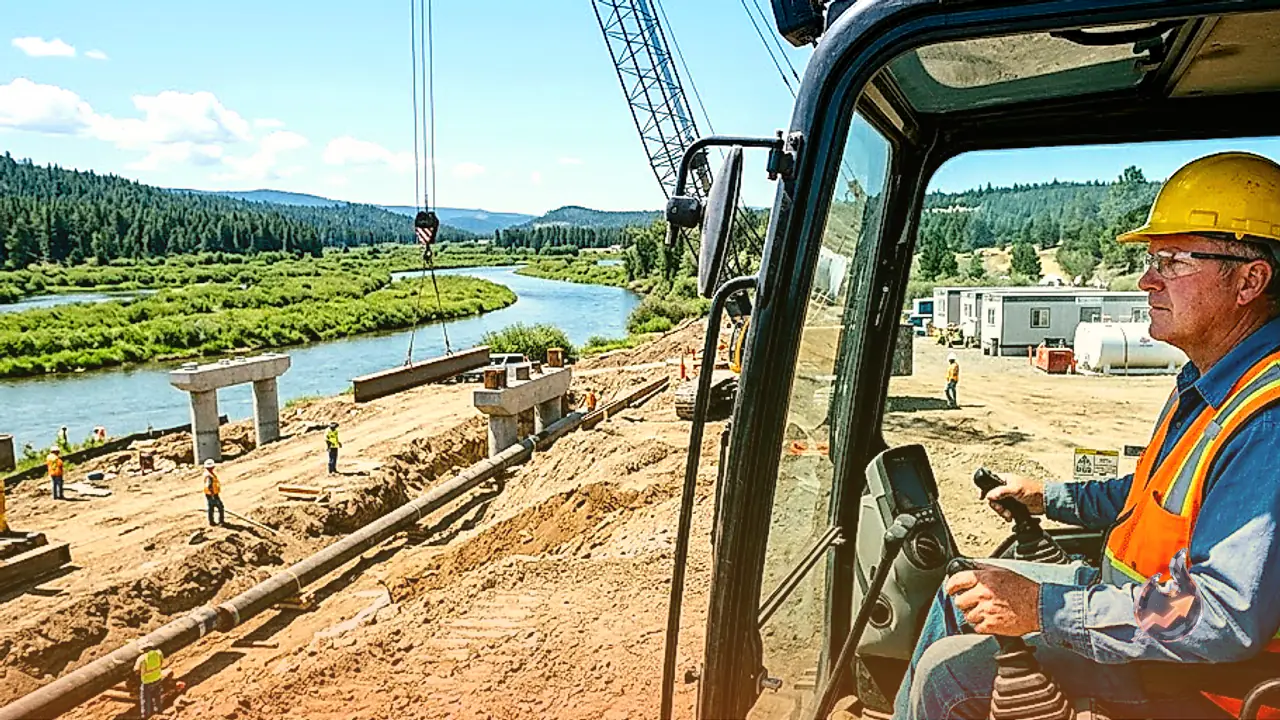
Donald Trump expressed strong criticism of past environmental enforcement on Truth Social, asserting that administrative overreach by unelected officials had improperly expanded the wildlife law's original scope. According to Trump, broad regulatory mandates previously blocked essential domestic production in key sectors, including oil, natural gas, and timber extraction. Furthermore, restrictive land designations created major hurdles for residential housing construction and critical infrastructure projects, while limiting necessary training activities for the military due to protected habitats for small rodents.
Legal Precedent and Broader Environmental Context
The updated policy framework aligns environmental enforcement with prior legal interpretations established by Justice Antonin Scalia. Administration leaders maintain that restoring the law to its intended purpose will allow the nation to rebuild its infrastructure and industrial capacity while maintaining responsible environmental safeguards. This regulatory adjustment occurs amid ongoing international debates regarding radical climate activism and the legal boundaries governing environmental conservation versus economic development.