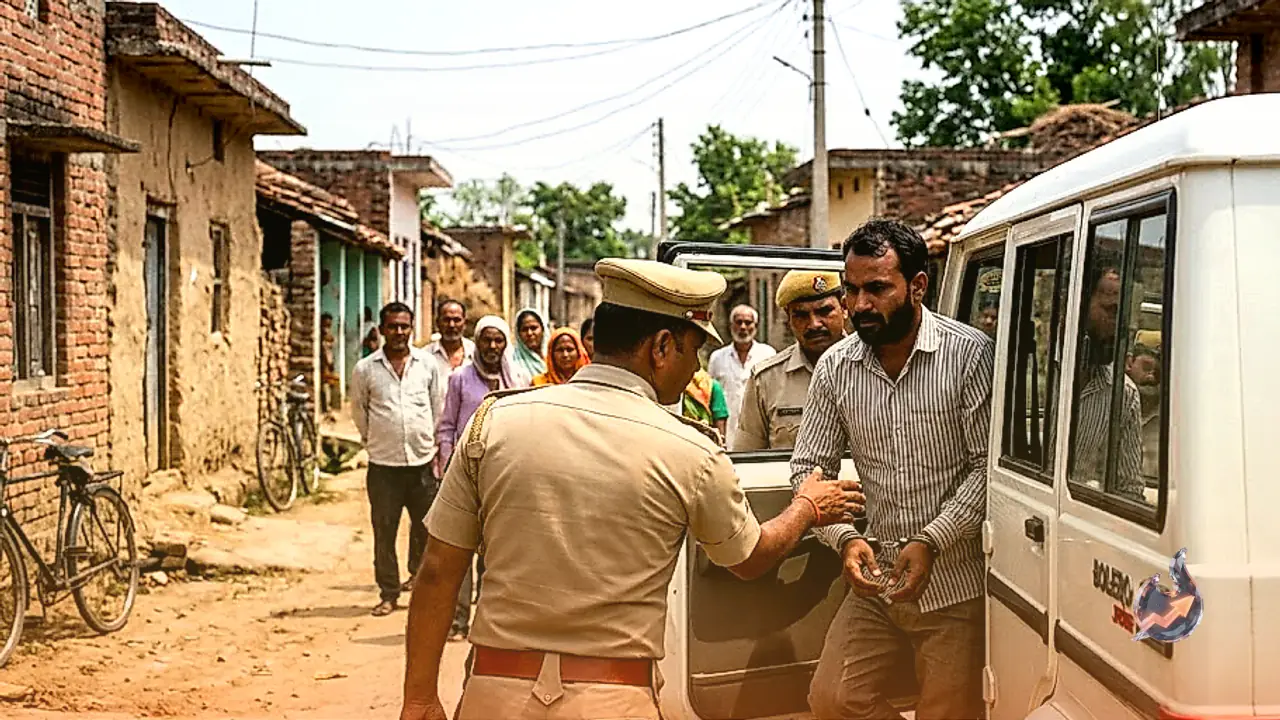





















Uttar Pradesh has seen many chief ministers over the decades, each remembered for something different, some for major political decisions, others for their public rallies and speeches. But Congress leader and former Uttar Pradesh Chief Minister Veer Bahadur Singh is still remembered for his discipline and strict punctuality. It is said that the moment he took charge as Chief Minister, he sent a clear message to the administration that government work would now run strictly on time, because only then would the system improve and the public's work get done without delay.
Who Was Veer Bahadur Singh?
Veer Bahadur Singh was born on February 18, 1935, in Harnahi village in Gorakhpur district. He steadily rose through the ranks of the Congress party, and after years of political experience, became Chief Minister of Uttar Pradesh on September 24, 1985. He held the post for close to three years, during which he pushed through several administrative changes. After leaving the Chief Minister's post, he also served as Union Communications Minister in the central government. His identity was not limited to development work alone, he was also known as a leader with a strict administrative style who made quick decisions, something that set him apart from many of his contemporaries.
A Chief Minister Obsessed With Punctuality
According to accounts, Veer Bahadur Singh strongly disliked officials and employees showing up late to work. His reasoning was straightforward, if the officers and staff sitting in the secretariat themselves did not arrive on time, the public's work would never get done on schedule either, and people's trust in the government machinery would gradually erode. Carrying this conviction, he began enforcing strict punctuality inside the secretariat as soon as he became Chief Minister, so that everyone, from the lowest staffer to the top official, understood the value of time.
The Secretariat's Main Gate Shut at 10:15 AM Sharp
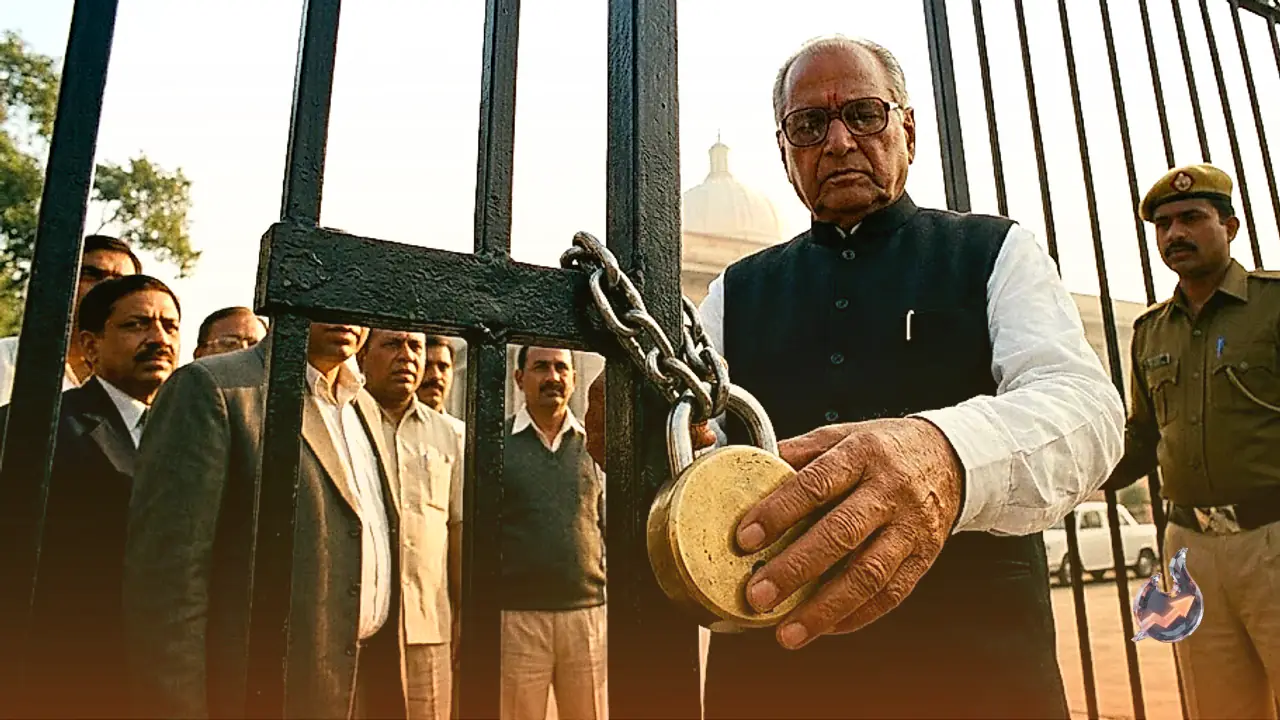
Just how strict Veer Bahadur Singh was about time is confirmed by senior journalist Shyamlal Yadav in his own book. Shyamlal Yadav recounts this striking episode in his book At the Heart of Power: The Chief Ministers of Uttar Pradesh. According to the book, during Veer Bahadur Singh's tenure as Chief Minister, the secretariat's main gate would be shut at 10:15 AM every morning. After that, no officer, employee or minister who arrived was allowed inside, regardless of the reason for the delay. The message within the government was unmistakable, the rules applied equally to everyone, whether a junior staffer or a senior minister, and no one would get special treatment.
Not Even His Own Minister Was Spared
The most talked about part of this story begins here. According to the book, the state's Health Minister once arrived at the secretariat after the cutoff time. He expected that being a minister would earn him an exception and that the gate would be opened for him. But the Chief Minister's strict order held firm, and the gate stayed shut. What's more, the minister's salary for that one day was later docked as well. It is said that after this incident, there was only one topic of conversation across the secretariat, if even a minister was not spared, no other officer or employee would dare think of breaking the rule. That single incident instilled a new seriousness about discipline across the entire administrative machinery.
A Documented Anecdote, Not an Official Record
It needs to be stated clearly that this entire account of the secretariat gate being shut and the minister's salary being docked rests on claims made in the book. No separate government order or official record confirming these details is publicly available. It should therefore be read as a political anecdote recorded in the book, not as a verified government document. Even so, the story offers a glimpse into the administrative discipline and leadership style of that era.