

















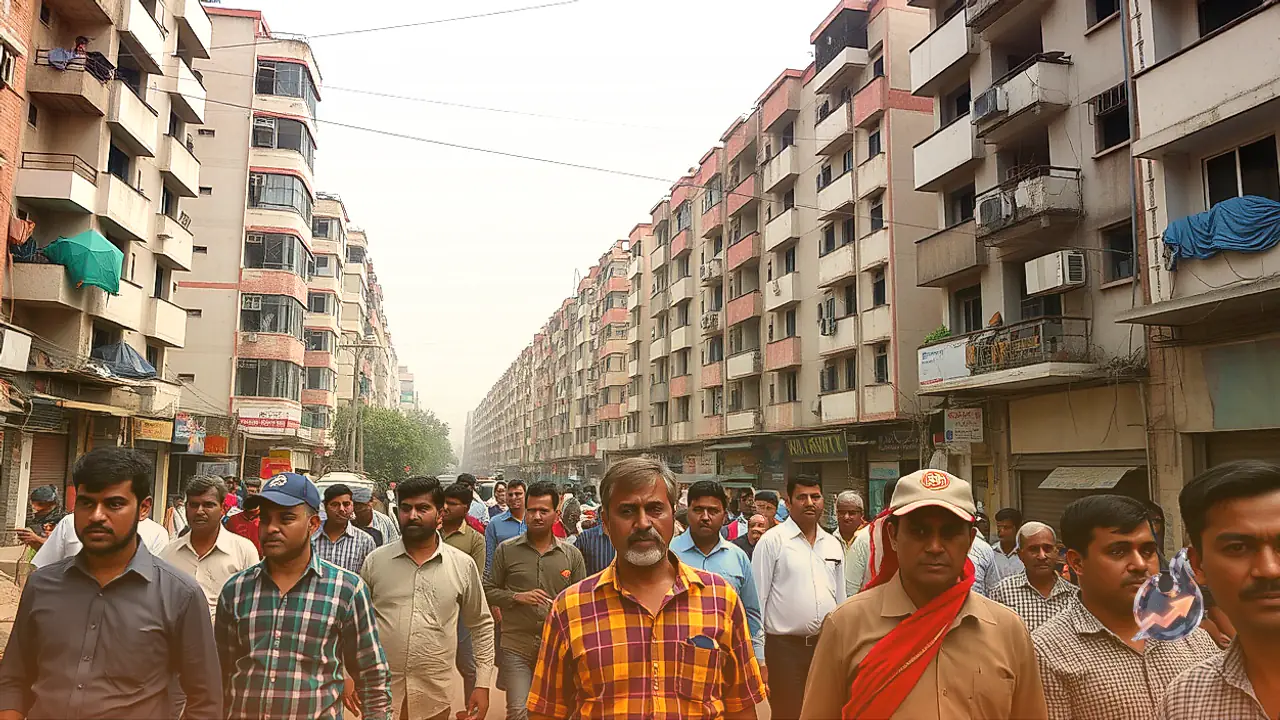

The identity of the Kasari-Masari locality in Prayagraj, Uttar Pradesh, is set for a comprehensive overhaul as the state administration moves to redevelop the area under a completely new identity. The locality, previously tied to the influence of mafia Atiq Ahmad, will now be recognized and developed as Shrikrishnapuri. As part of this urban renewal push, 602 residential flats are scheduled to be constructed for citizens on the very land that was freed from the mafia network's control.
Infrastructure Plans and Residential Housing
The core of this redevelopment strategy centers on restoring public ownership over land parcels that had remained inaccessible under unlawful coercion. Authorities cleared the site through structured administrative actions, paving the way for 602 multi-story flats tailored for regular families. Along with the housing units, civic planning includes upgraded road links, systematic water supply facilities, comprehensive underground drainage, and steady power distribution, turning what was once a neglected belt into an organized municipal neighborhood.
Official Statement by Yogi Adityanath
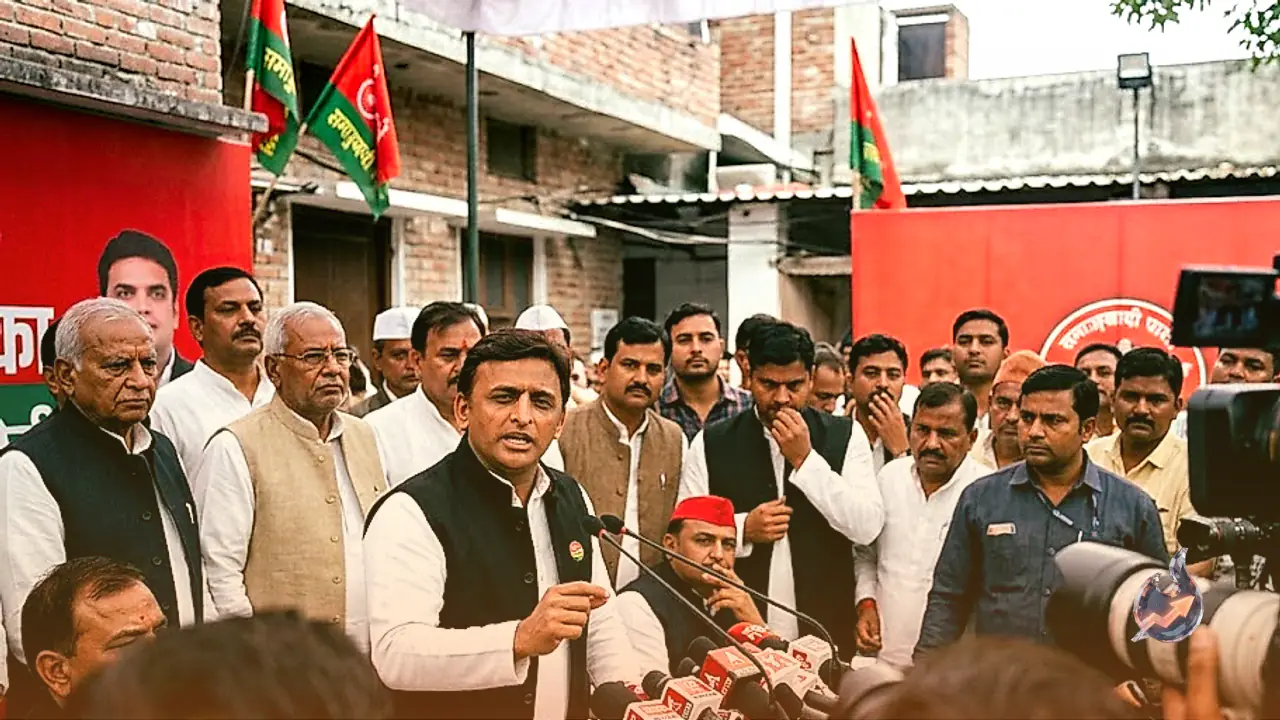
Announcing the initiative, Chief Minister Yogi Adityanath confirmed that Kasari-Masari would be fully shaped as Shrikrishnapuri. He highlighted how organized syndicates had previously grabbed lands across the region, instilling anxiety among ordinary residents. The administration explained that reclaiming these plots and repurposing them for social housing directly reclaims civic space from criminal legacies, ensuring the locality gains fresh cultural and social dignity.
About Puri
The term Puri holds deep geographical and cultural resonance across India. Situated along the Bay of Bengal in the state of Odisha, Puri serves as both a prominent coastal city and the administrative headquarters of its namesake district. Revered as one of the four sacred Dhams of the country, it is widely hailed as Shri Jagannath Dham due to the historic 12th-century Jagannath Temple established there. The suffix Puri has historically represented sanctity, community living, and enduring cultural heritage.
Governance and Societal Impact
Transitioning the identity of Kasari-Masari to Shrikrishnapuri alongside the construction of mass housing marks a continuing administrative drive to convert seized criminal assets into public utilities. For decades, the shadow of Atiq Ahmad impeded normal civic investments and created persistent hesitation among private developers. Converting this parcel into 602 homes is intended to erase the stigma of past lawlessness, attract new municipal infrastructure, and offer vulnerable households affordable living spaces.
Public Reaction
The public response to the announcement reflected varied community sentiments. Numerous residents commended the decision to utilize seized properties for housing ordinary families, while others raised questions regarding civic priorities, emphasizing that rapid project delivery, basic municipal upkeep, and local employment require equal attention alongside renaming efforts.