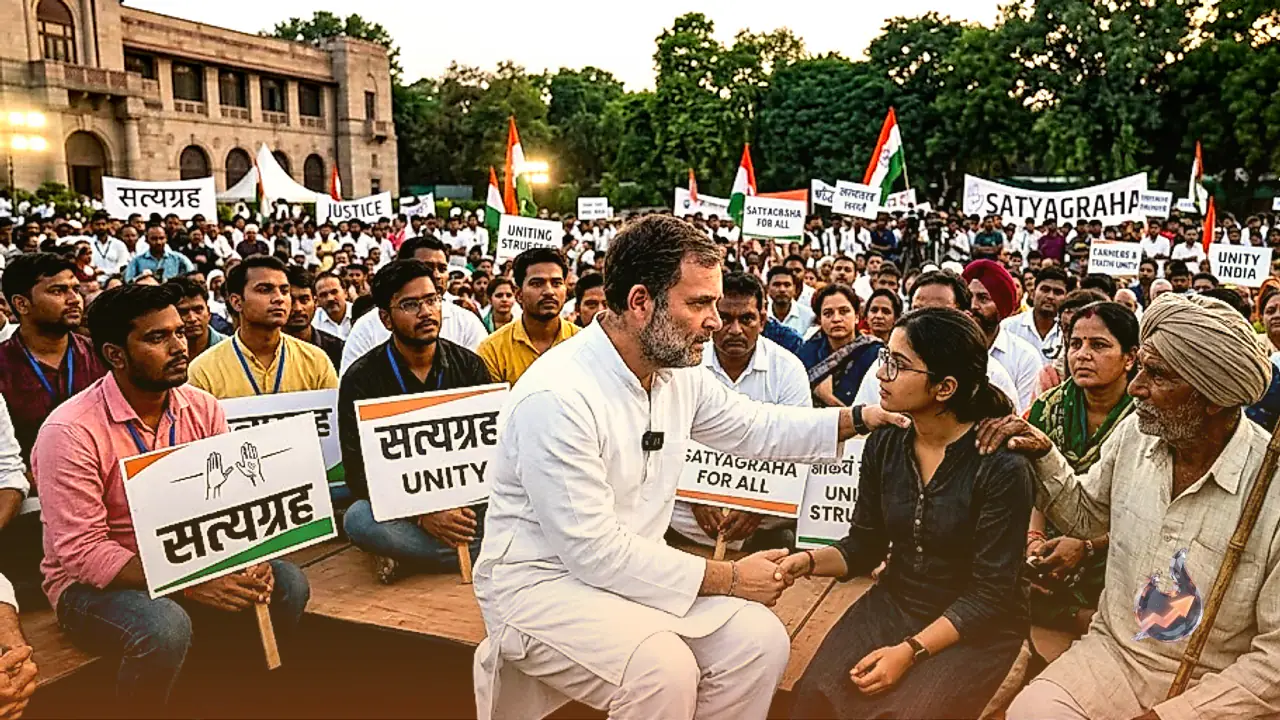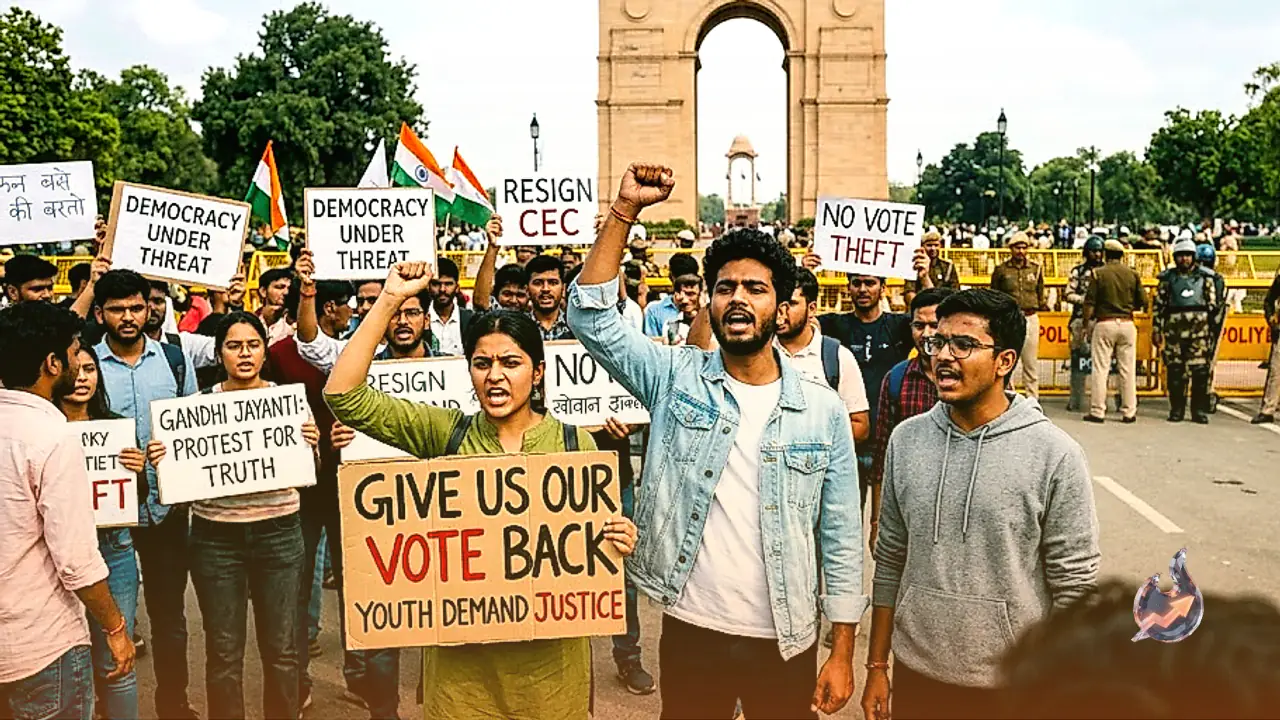






















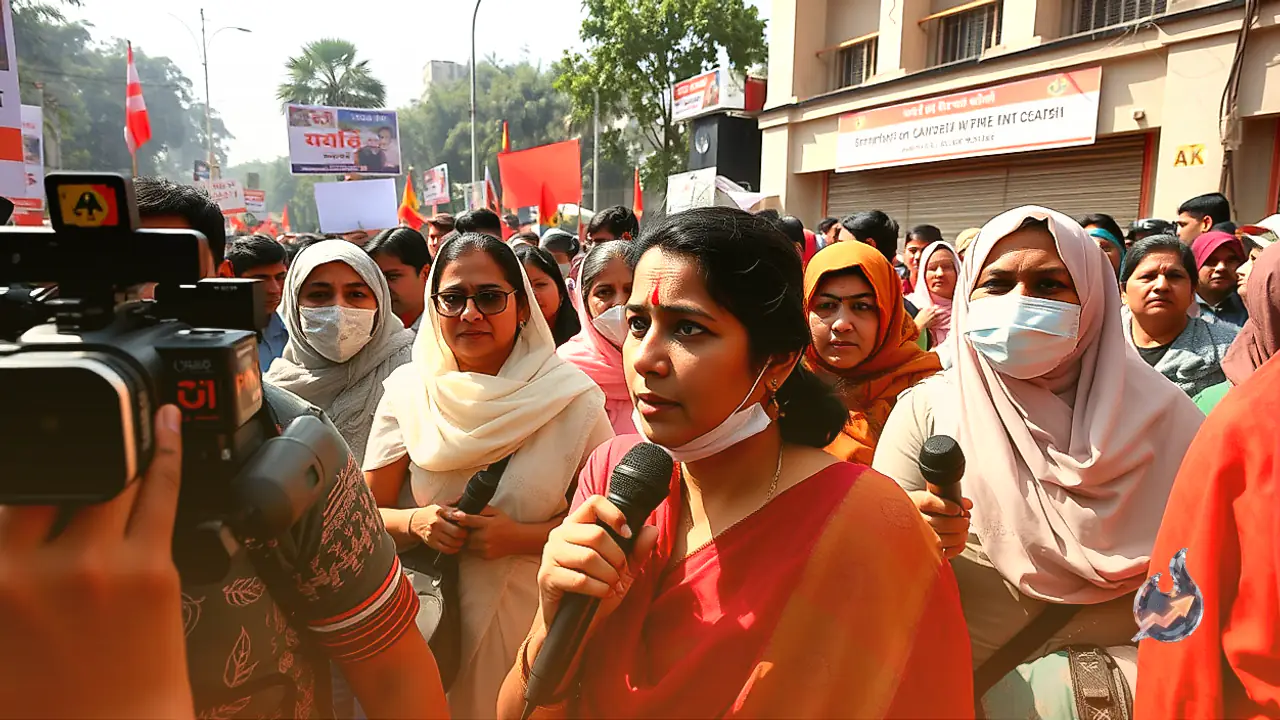

A severe controversy has broken out following a recent protest demonstration at Jantar Mantar in New Delhi, where hundreds of participants were taken into custody by law enforcement authorities. Serious accusations have surfaced alleging that male personnel physically mishandled female demonstrators at the site. Alongside the detentions, women journalists covering the gathering reported that their cameras were forcefully snatched and that they were physically dragged, triggering widespread debate regarding democratic dissent and media freedom.
What Rahul Gandhi Said
Addressing the developments directly, Rahul Gandhi posted on X that a distinct and troubling pattern has emerged across Delhi, wherein any woman who raises questions is systematically silenced. He highlighted the detention of hundreds of demonstrators at Jantar Mantar, drawing particular attention to allegations of misconduct by male police officers against women protesters as well as the dragging of female journalists and confiscation of their reporting equipment.
Allegations Surrounding Treatment of Demonstrators and the Press
The aggressive measures witnessed during the Jantar Mantar agitation have prompted sharp public scrutiny. Female demonstrators voiced serious concerns, pointing out that rather than deploying sufficient female personnel to manage the situation, male officers engaged in unwarranted physical handling. Furthermore, media professionals on the ground reported that attempts were made to prevent factual documentation of the events. Taking away equipment and physically removing reporters from the location effectively obstructed independent coverage of the protest.
Context of Women's Safety and Administrative Accountability
These confrontations occur at a time when administrative bodies responsible for women's rights are witnessing renewed structural changes. Recently, the Delhi Commission for Women appointed a new chief, Lata Gupta, ending a vacancy that lasted two and a half years, who subsequently outlined her priority action blueprint for the initial hundred days. However, alongside structural renewals, recurring reports of online harassment targeting women student activists following public protests have kept gender safety and administrative responsiveness under intense public spotlight across the capital.
About Gaya
Located in the state of Bihar, Gaya serves as an administrative district headquarters and ranks as the second-largest urban center in the state. Situated along the banks of the Falgu River, the historic town is surrounded on three sides by rocky hills known as Ramshila, Pretshila, and Brahmayoni. Known locally for the Magahi language, Gaya holds profound spiritual and historical significance across Hindu, Buddhist, and Jain traditions, with references dating back to ancient epics, and continues to attract millions of domestic and international visitors every year.
Public Reaction
The remarks sparked an immediate wave of public discussion across digital platforms. Numerous citizens echoed concerns over civil liberties and pressed for the release of relevant police station CCTV recordings to ensure independent accountability, while others debated the sequence of events and called for verifiable inquiry findings before assigning institutional culpability.