


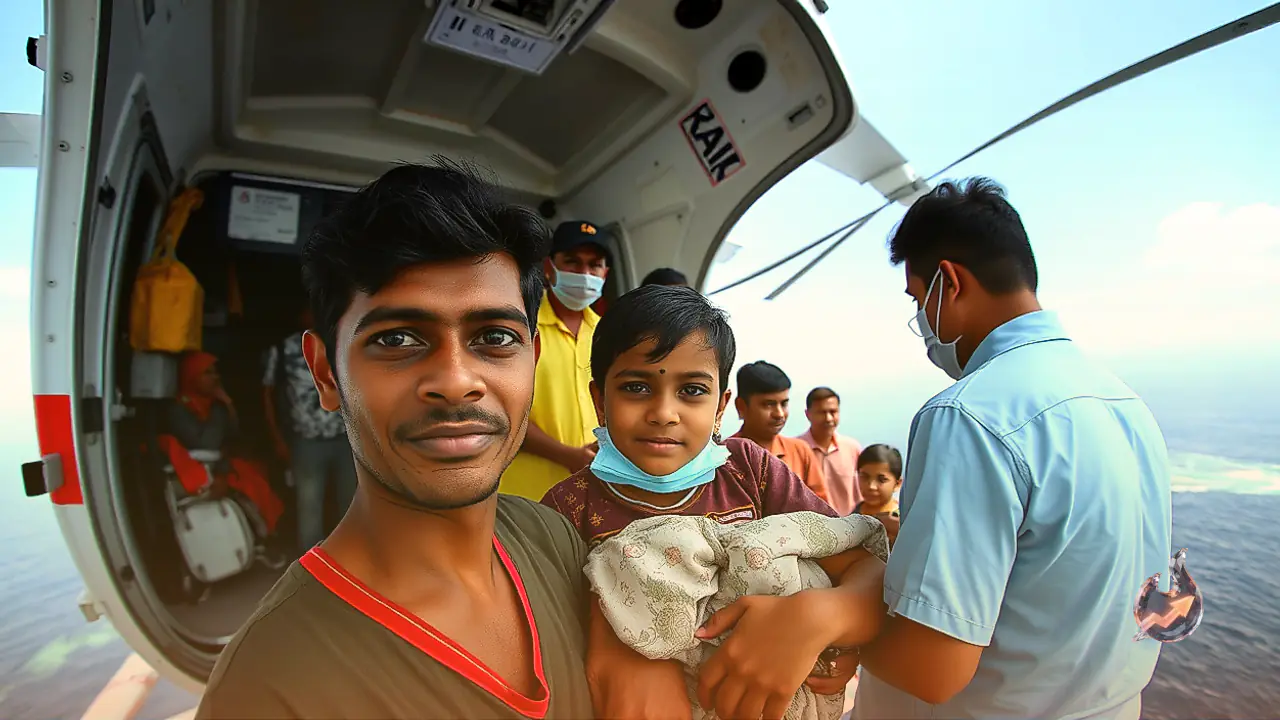
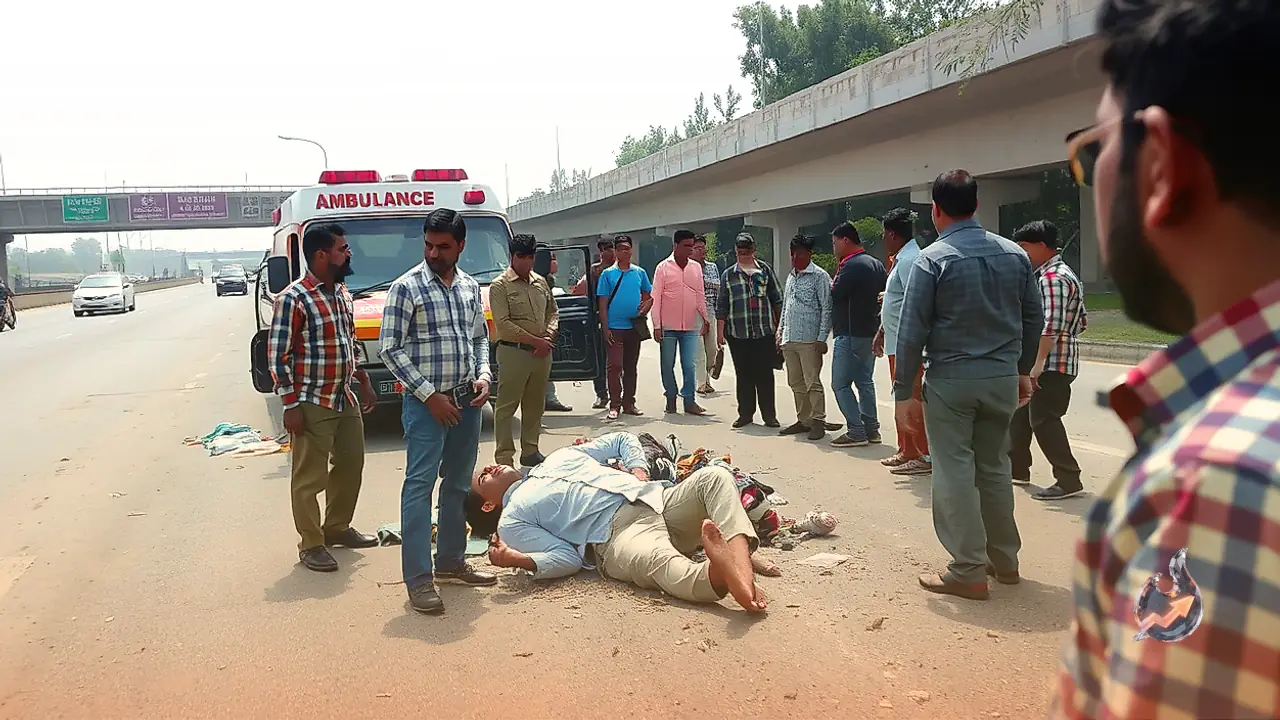














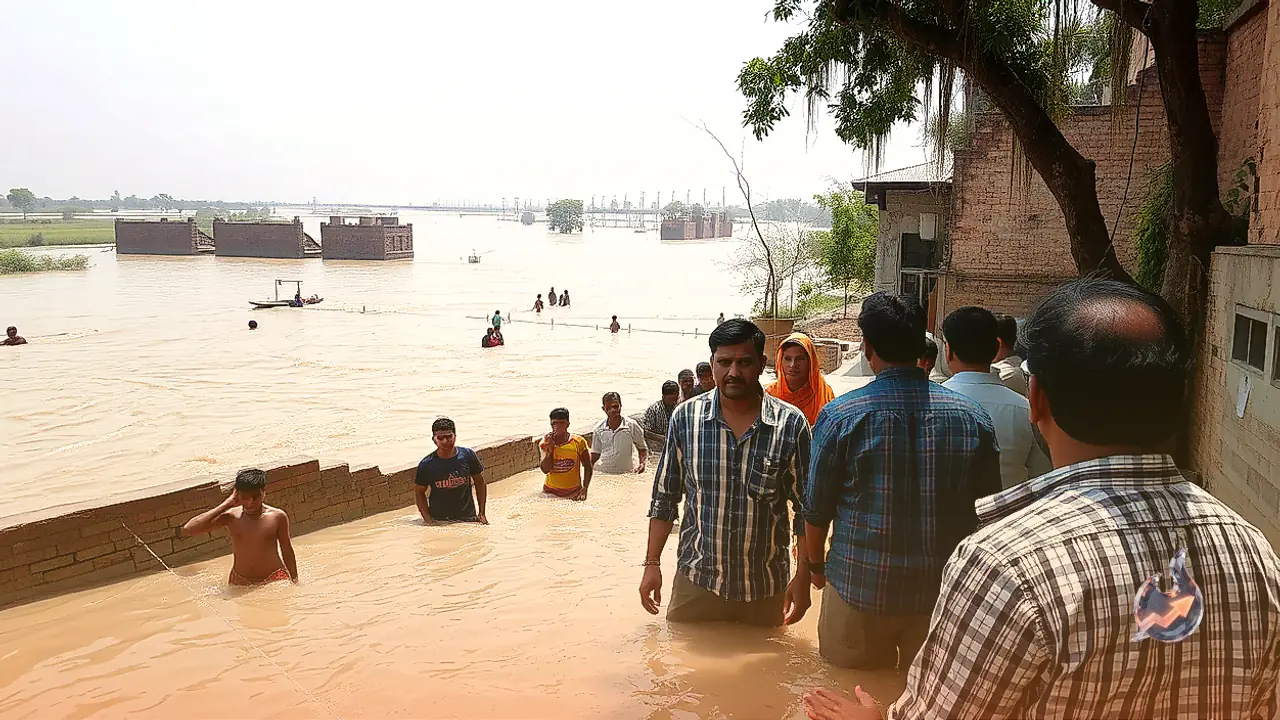

Swollen rivers and breached embankments have triggered severe flooding across multiple districts of Bihar, upending daily life for millions of residents. Continuous heavy rainfall alongside water surges flowing down from catchment areas in neighbouring Nepal have pushed key river systems well above danger levels. The ensuing inundation has submerged hundreds of rural hamlets, snapped vital road connections, and forced widespread displacement as families seek higher ground.
Embankment Breaches Trigger Widespread Inundation
Water pressure has compromised local flood defence structures at several critical junctures across northern and central districts. In Gopalganj, a ring bund gave way, while near Bettiah, an approximately 200-foot section of the Champaran embankment was washed away by the roaring waters of the Gandak River. In Vaishali, another 25-foot breach in a ring bund inundated around 400 households. Along the Punpun River, local villagers stepped in themselves to erect makeshift barriers using bamboo and sandbags to stall rushing currents. Heavy flood conditions have impacted more than 1.6 million people across 11 districts, with the Ganga breaching previous water level marks in Patna. Elsewhere, strong currents in the Bagmati River washed away a 50-foot stretch of road, stranding entire communities and forcing residents to rely on boats or perilous footpaths for basic travel.
Rahul Gandhi Expresses Grief Over Casualties and Displacement
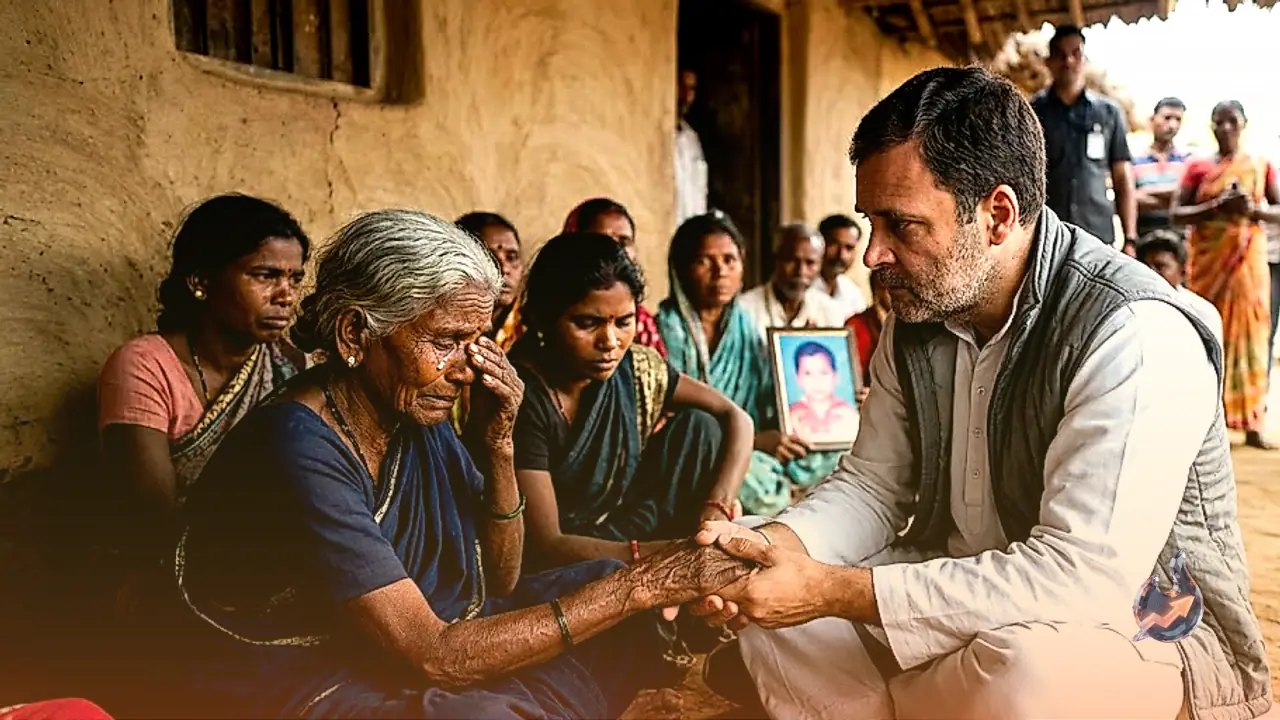
Addressing the escalating disaster on social media platform X, Rahul Gandhi conveyed his grief over the mounting human toll and destruction. He pointed out that the floodwaters have unleashed immense hardship, leaving hundreds of settlements underwater and displacing huge populations. Offering his condolences to those who have lost loved ones or whose family members remain missing, he noted that this devastating cycle is not an unfamiliar occurrence for the region, returning year after year to cause widespread loss of life and property.
About Bihar: Geographic Setting and River Network
Located in the heart of eastern-central India, Bihar is a major state renowned for its historical legacy, with Patna serving as its capital city. In terms of population, it stands as the third largest state in India, while ranking twelfth by total territorial area. In the year 2000, its southern districts were reorganised to create the separate state of Jharkhand. Bihar borders Nepal to the north, Jharkhand to the south, West Bengal to the east, and Uttar Pradesh to the west. The state sits entirely within the exceptionally fertile alluvial basin shaped by the Ganga, which flows from west to east, and its extensive network of tributaries, making water management a defining feature of the region.
Public Reaction
Members of the public voiced sharp concern over the situation, calling for rapid mobilisation of emergency medical squads, essential medicines, and potable drinking water in marooned villages. Observers also underscored the urgent necessity of durable river-training infrastructure and long-term water management policies to replace recurring emergency response cycles.