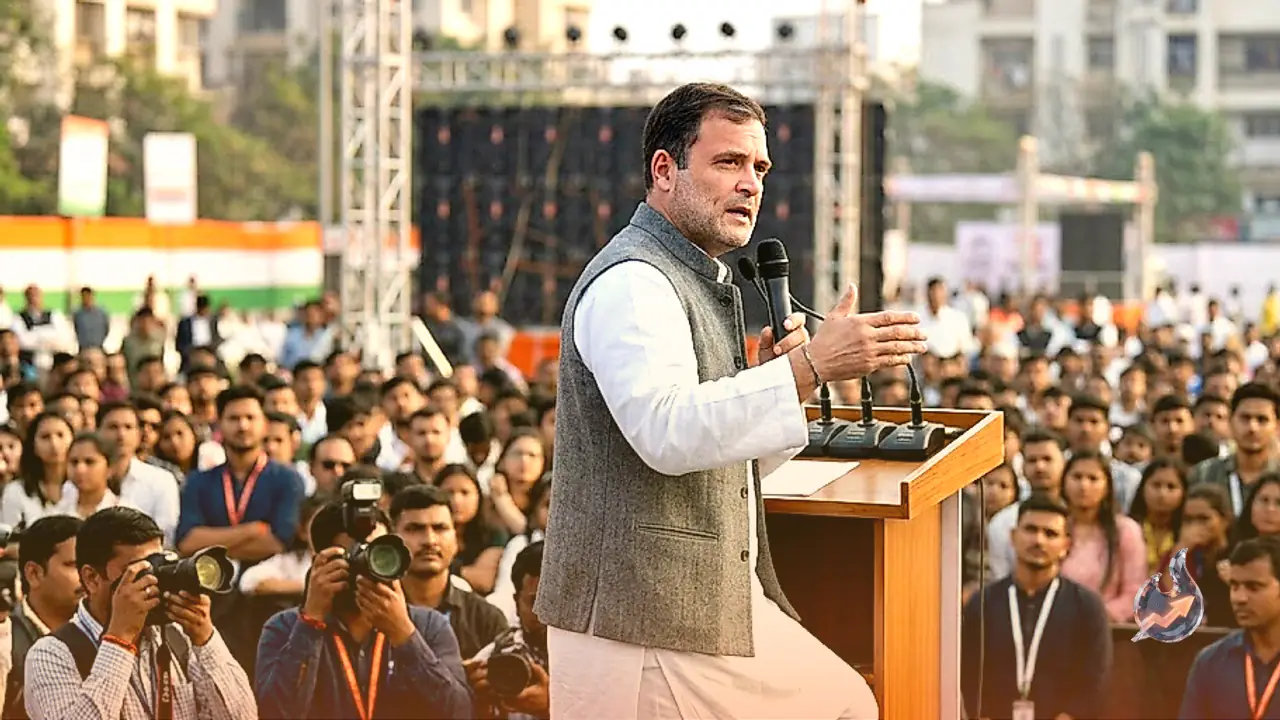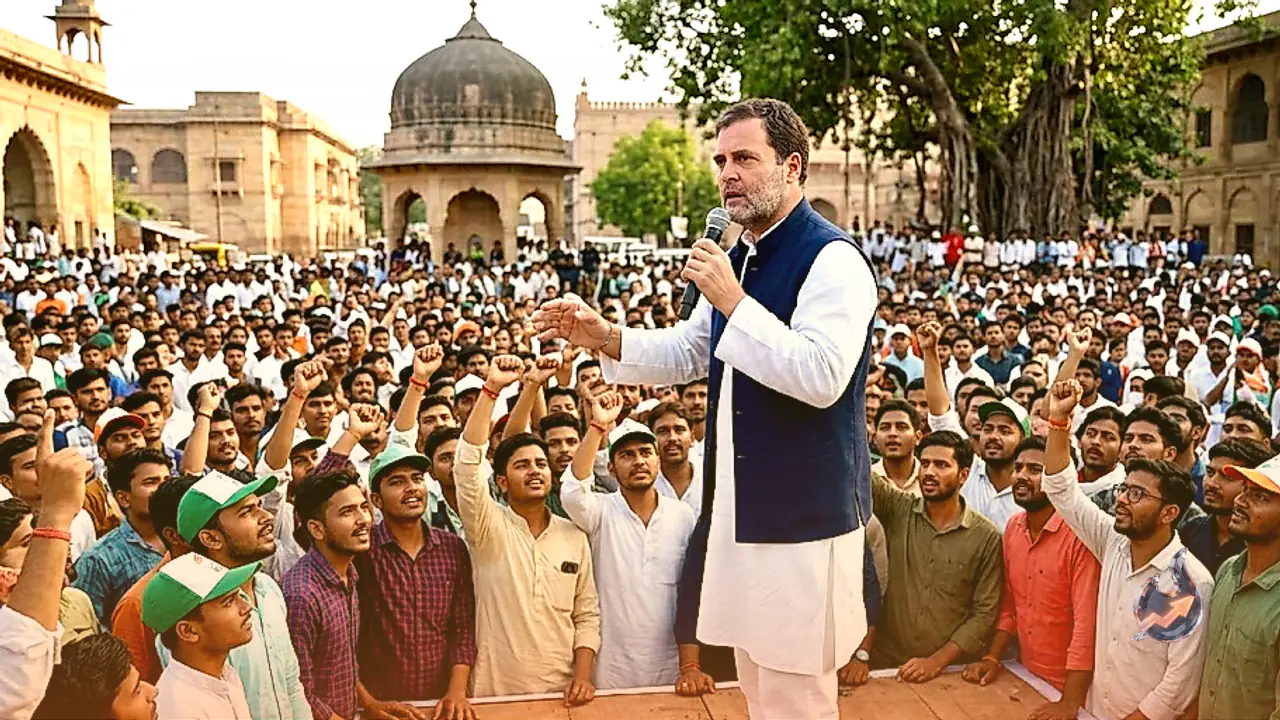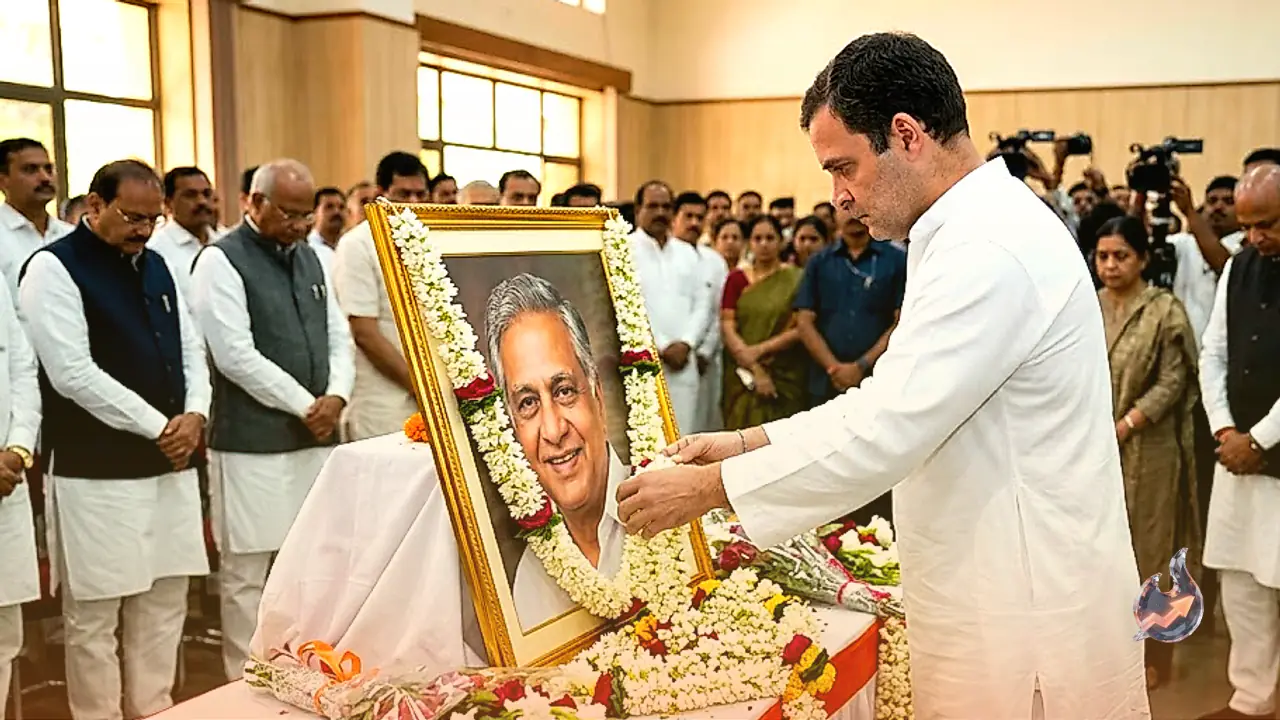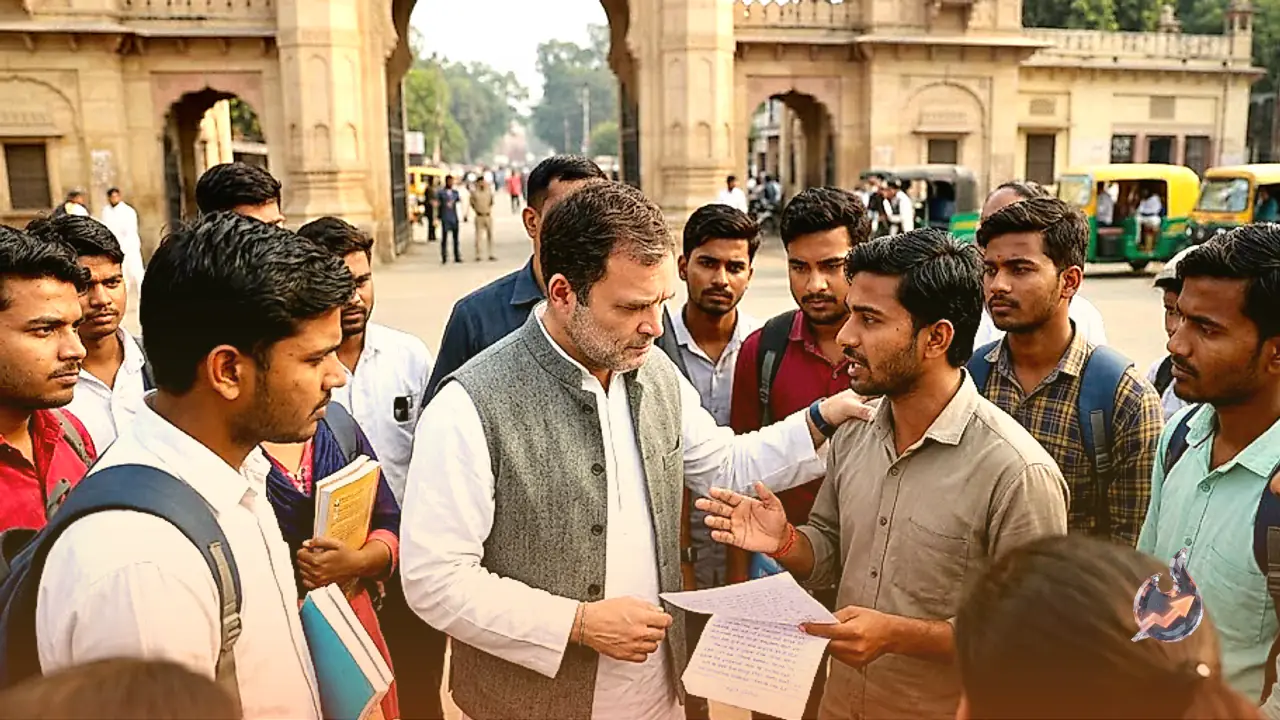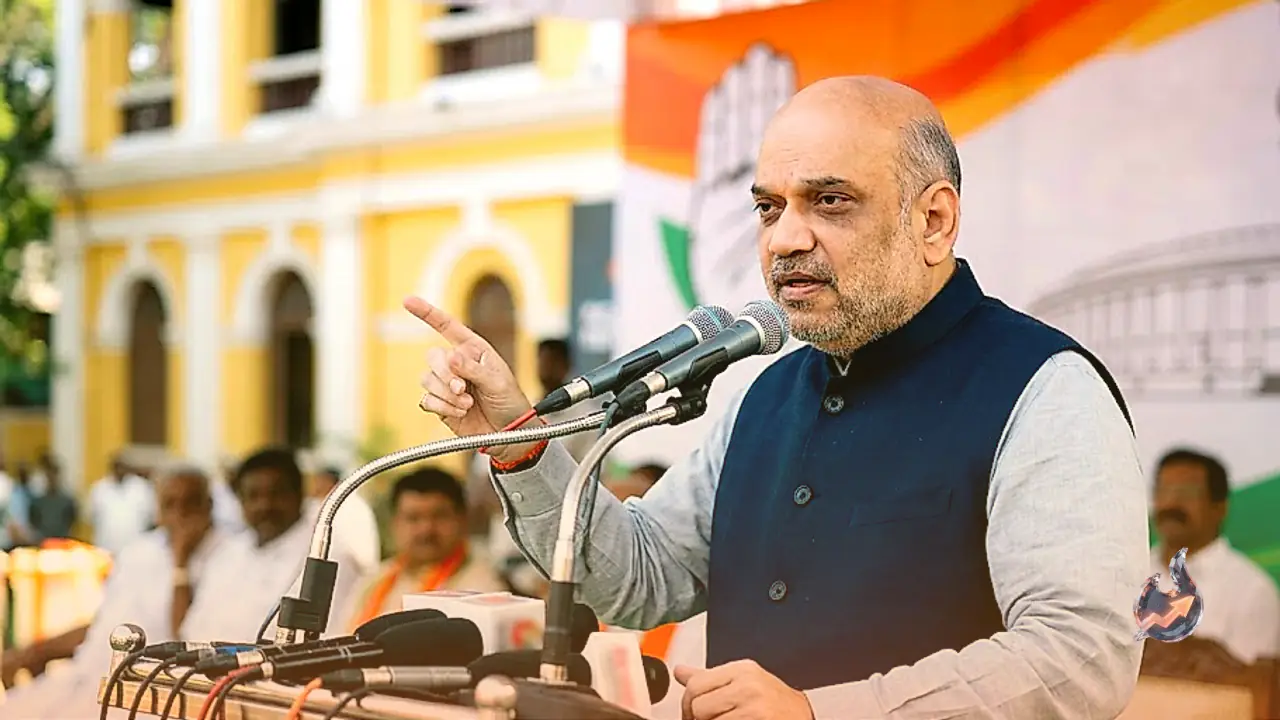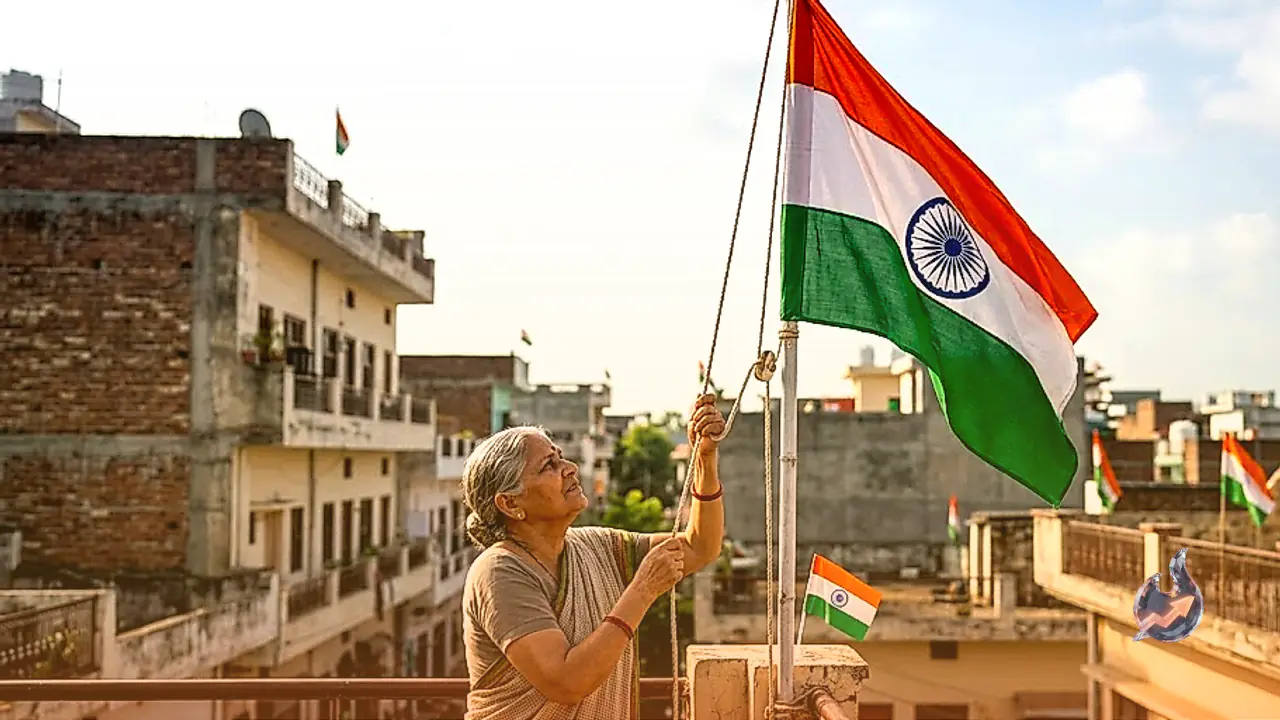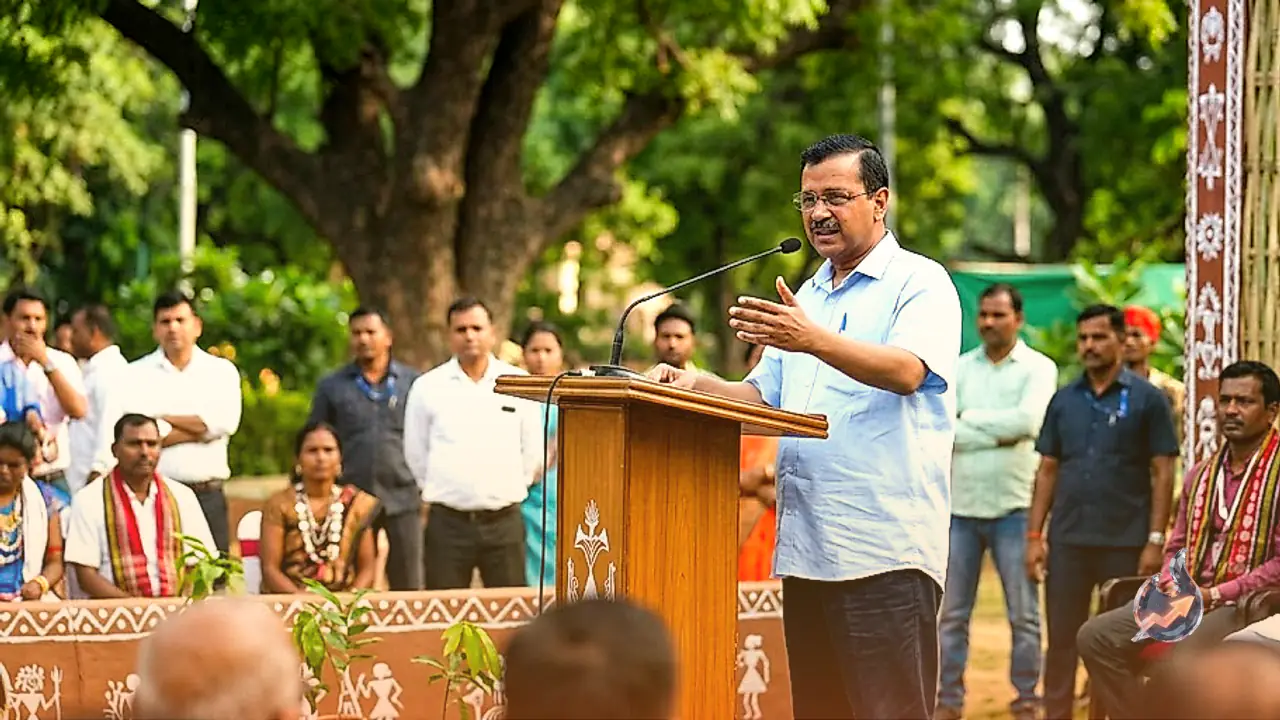

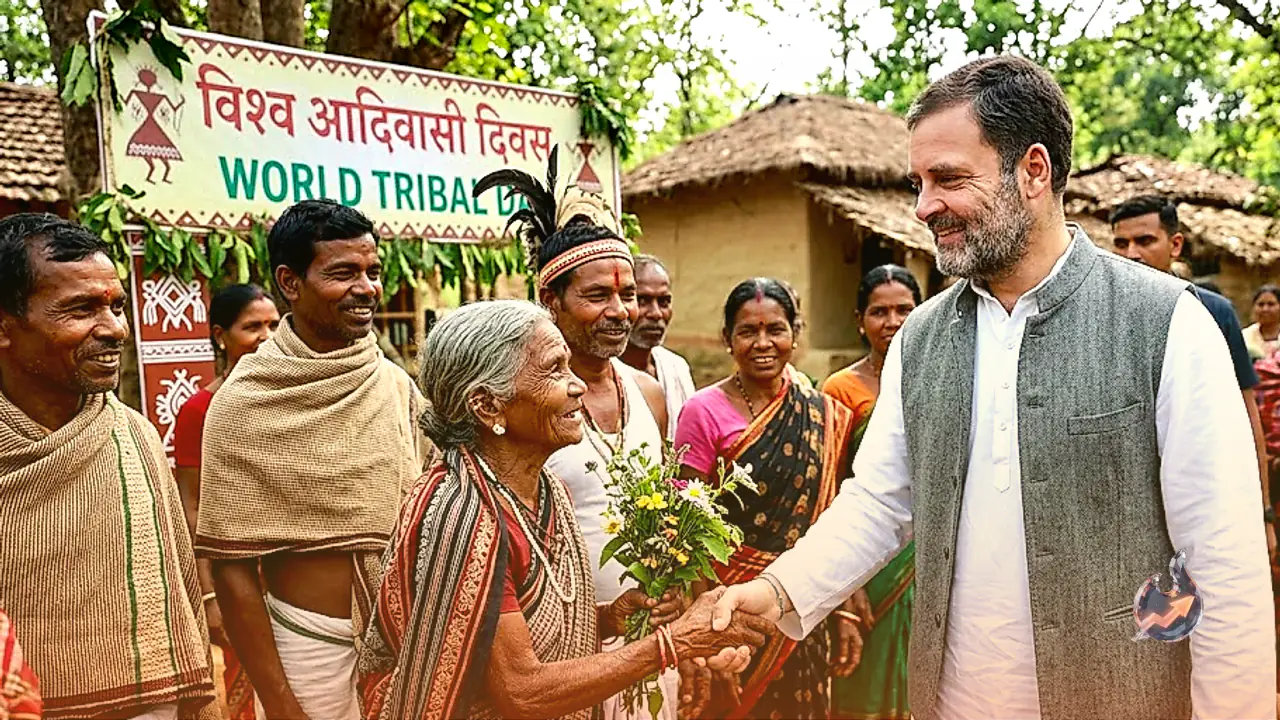
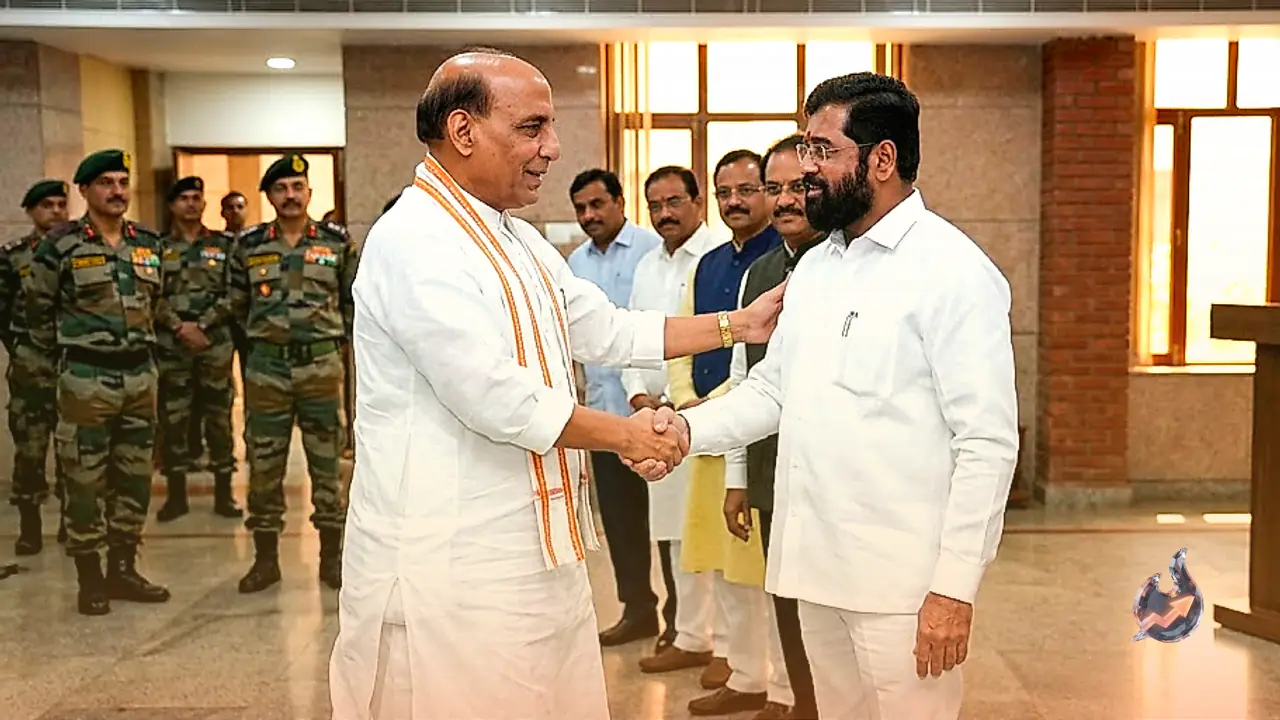
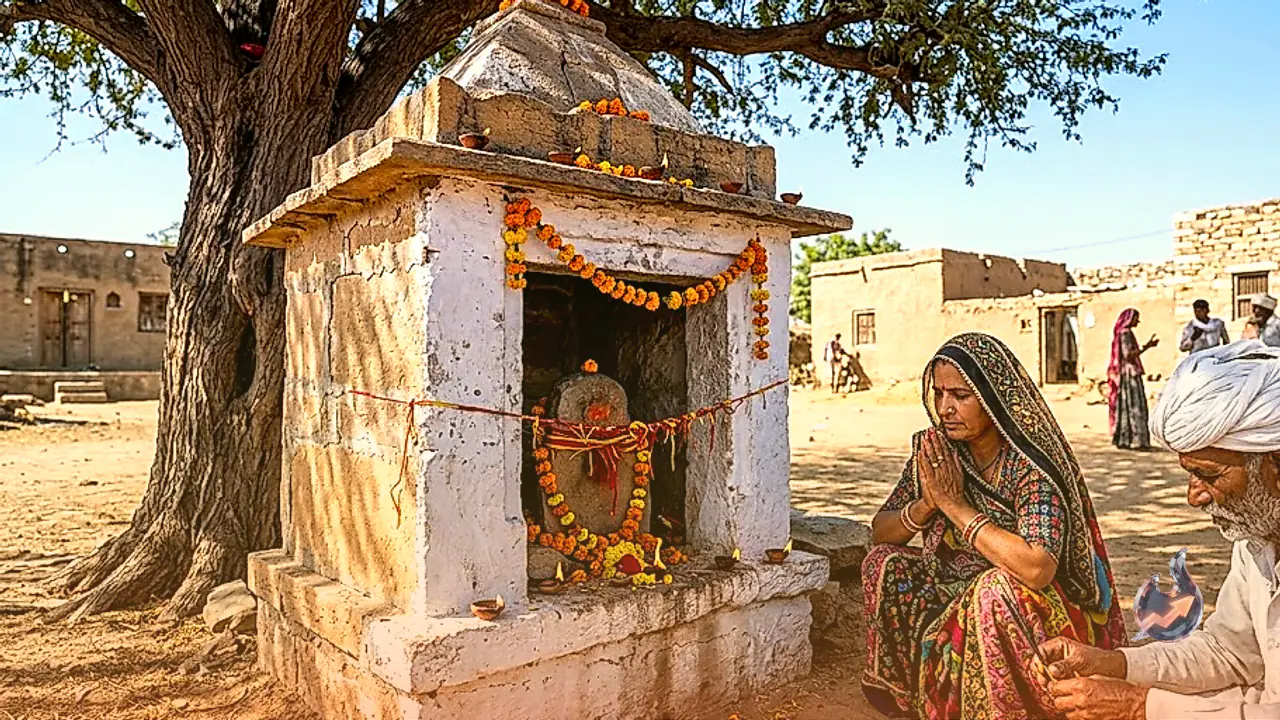

















As the country observed World Tribal Day, various events including patriotic processions and tricolor rallies were organized across different regions to mark the occasion. Amidst these celebrations, prominent political figures took to social media to share their thoughts on the significance of the day. Opposition leader Rahul Gandhi posted a special message on X, extending heartfelt greetings to all tribal brothers and sisters across the nation and bringing the vital conversation surrounding indigenous rights and cultural preservation back into the public spotlight.
First Owners and Invaluable Heritage
In his message, Rahul Gandhi underscored that tribal populations are the original owners of the country. He noted that their rich historical culture forms an invaluable heritage for India. Tribal lifestyles have consistently reflected a deep-rooted bond of faith, love, and respect for nature, offering lessons in environmental conservation and harmonious living to the entire world. Observers and community leaders frequently point out that safeguarding this unique cultural legacy is essential for maintaining the nation's diverse identity and ecological balance.
Rights to Water, Forests, and Land
The message further stressed that indigenous communities hold legitimate claims over water, forests, and land. It was reiterated that in the ongoing struggle for tribal identity, dignity, and their rightful share in natural resources, support remains unwavering. Across various parts of the country, discussions on World Tribal Day often center on the persistent challenges faced by these communities, including displacement threats and the protection of their traditional habitats from industrial encroachment, making the enforcement of protective legislation a critical ongoing necessity.
Public Reactions and Social Media Discourse
The post sparked widespread online commentary, drawing a mix of supportive voices and critical evaluations from various quarters. While many netizens echoed the sentiment and called for stronger legal protections for tribal livelihoods, others engaged in intense debates over historical policies, resource allocation, and the practical implementation of welfare measures, reflecting a deeply polarized public opinion on tribal governance and rights.