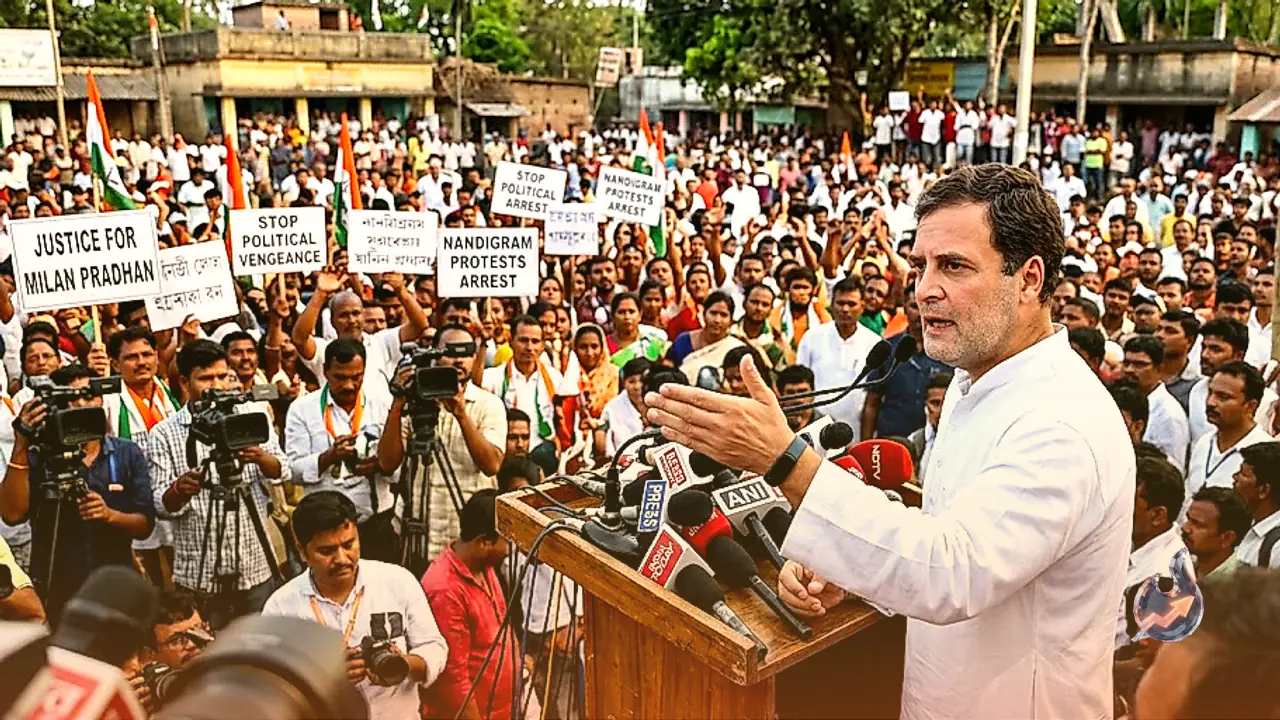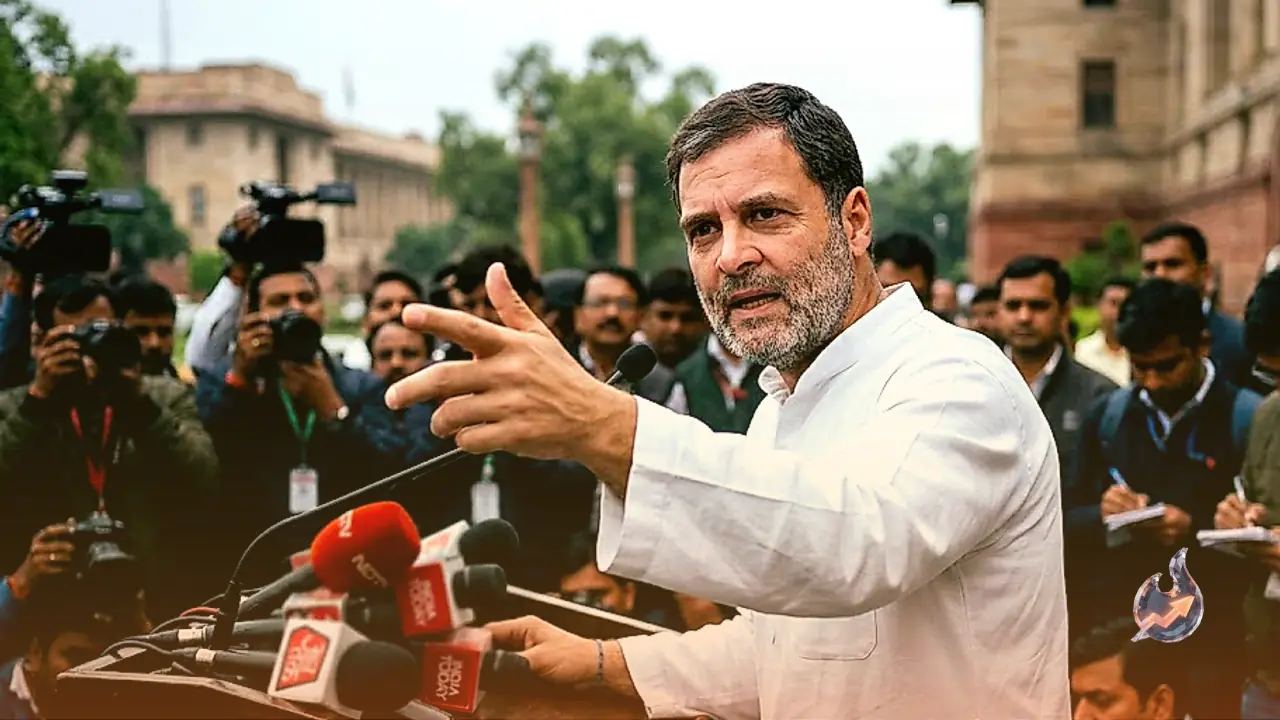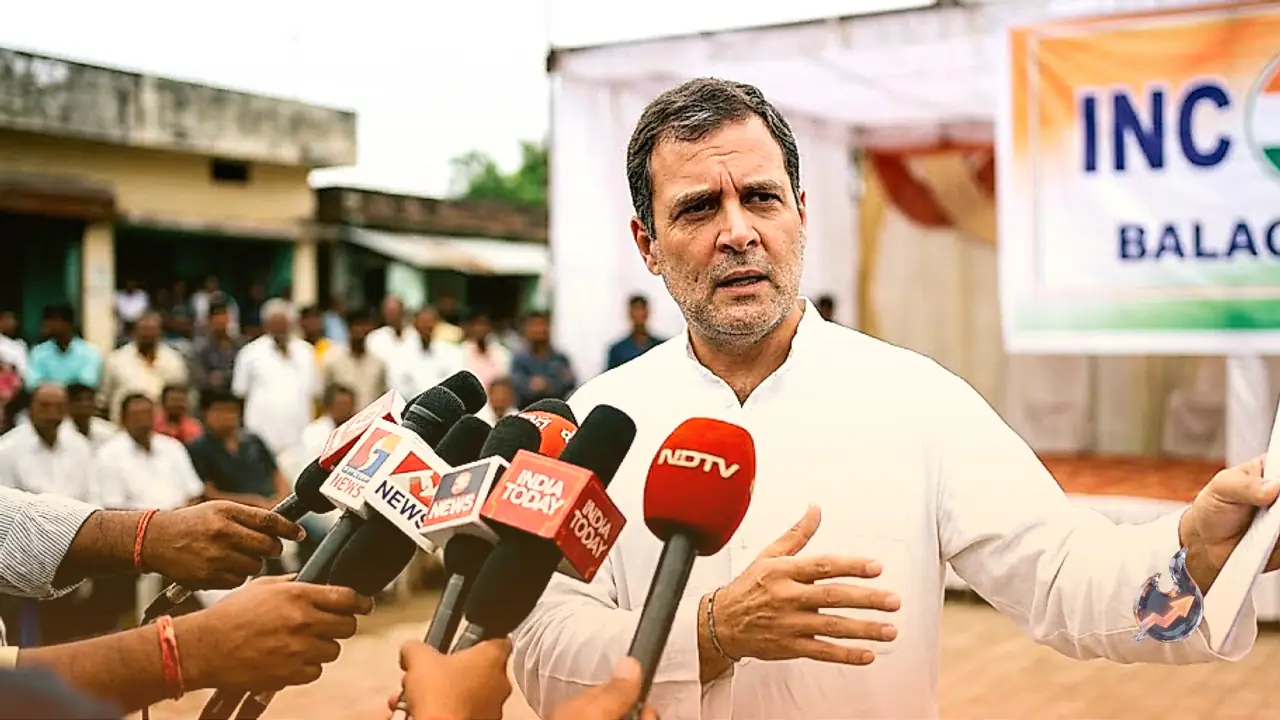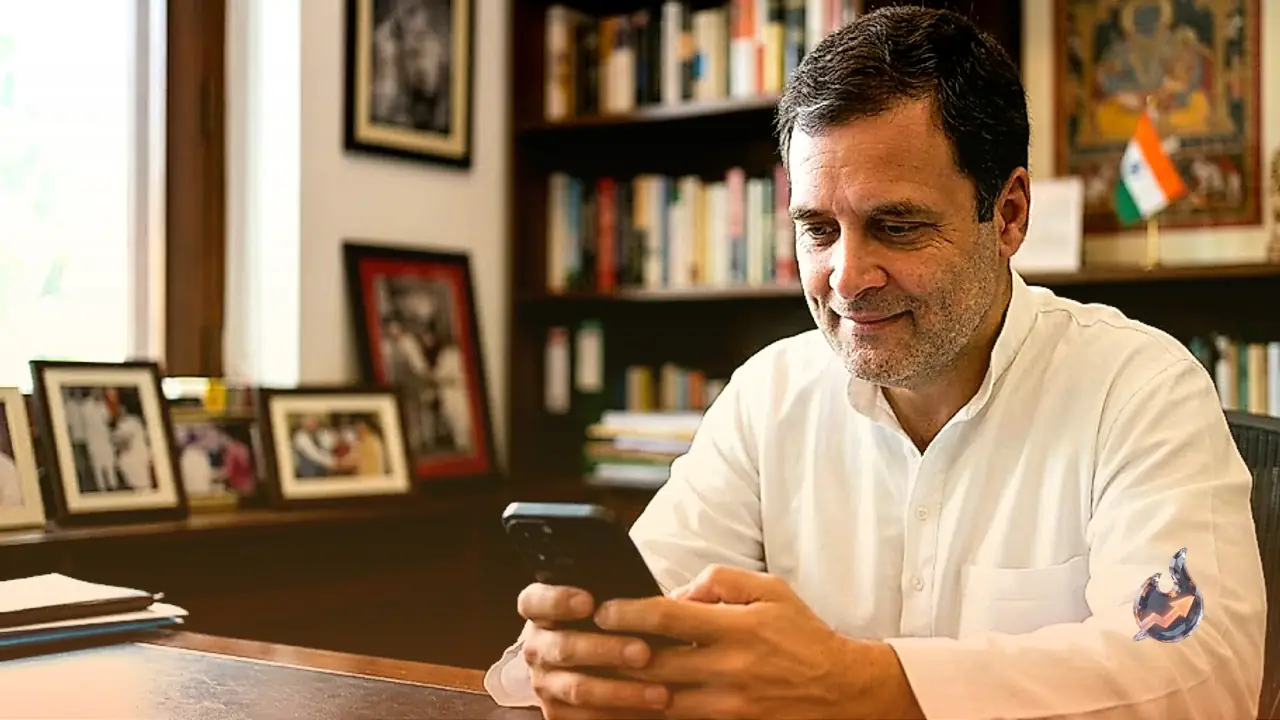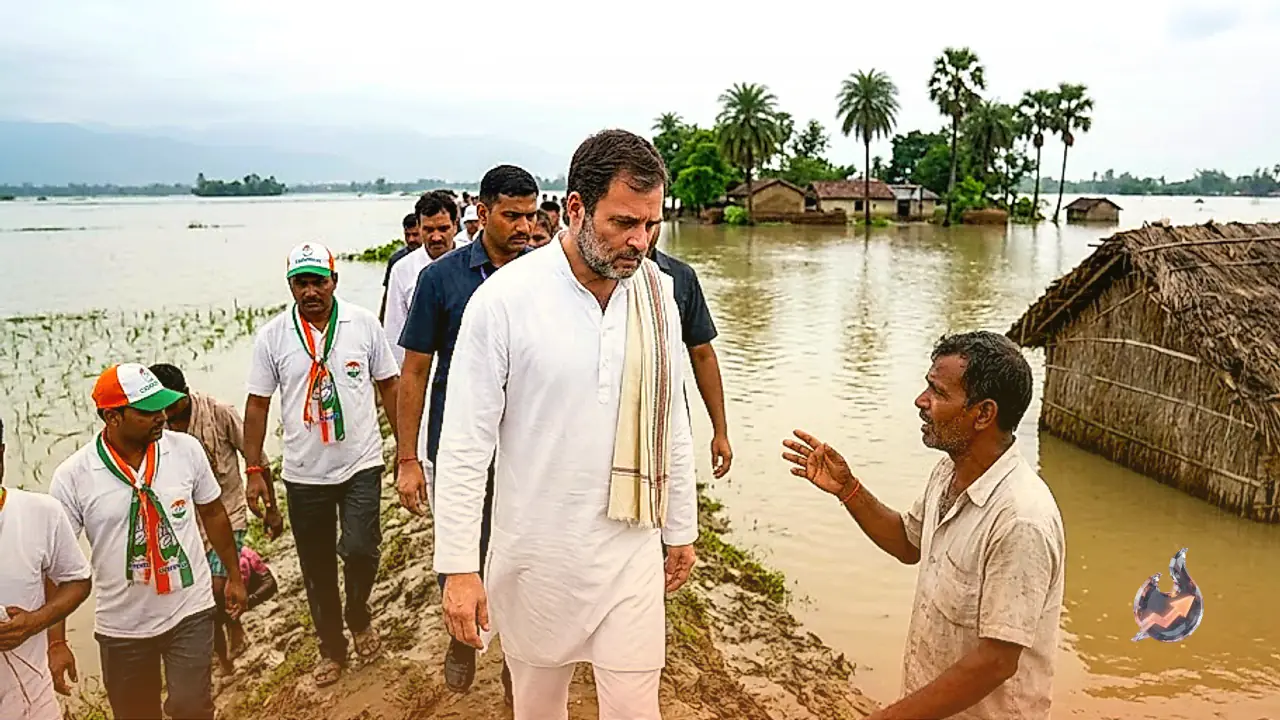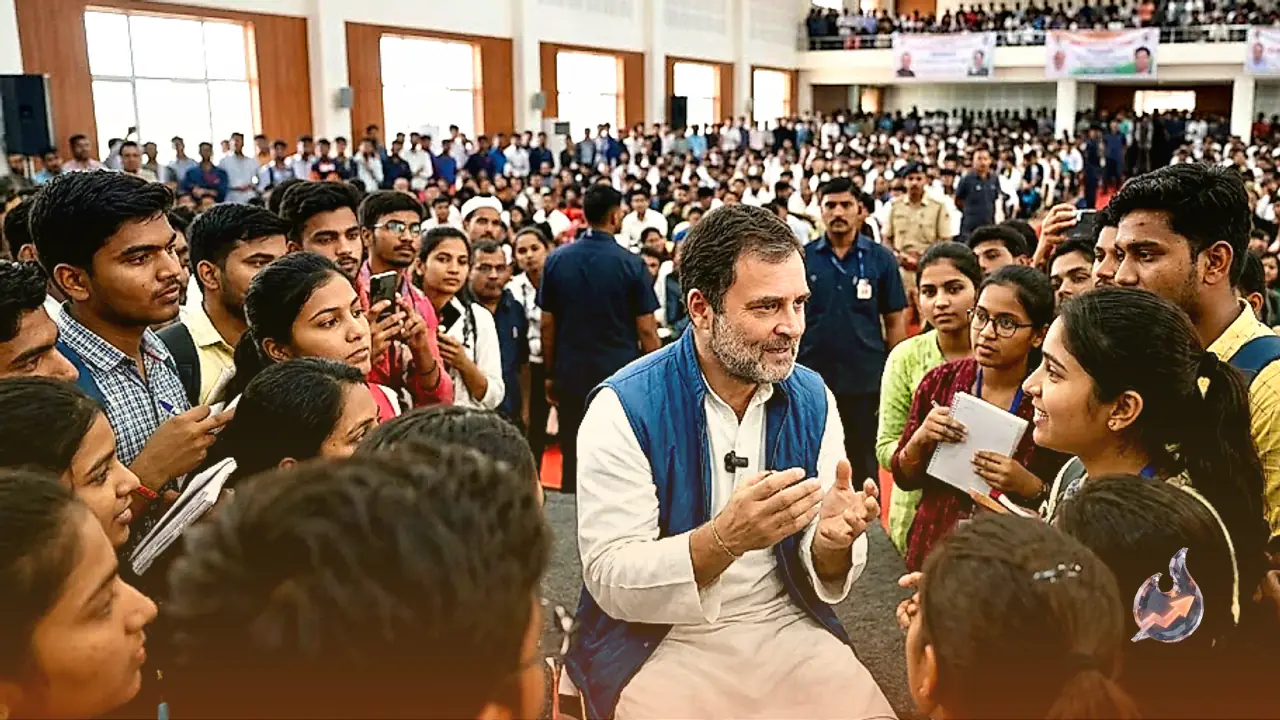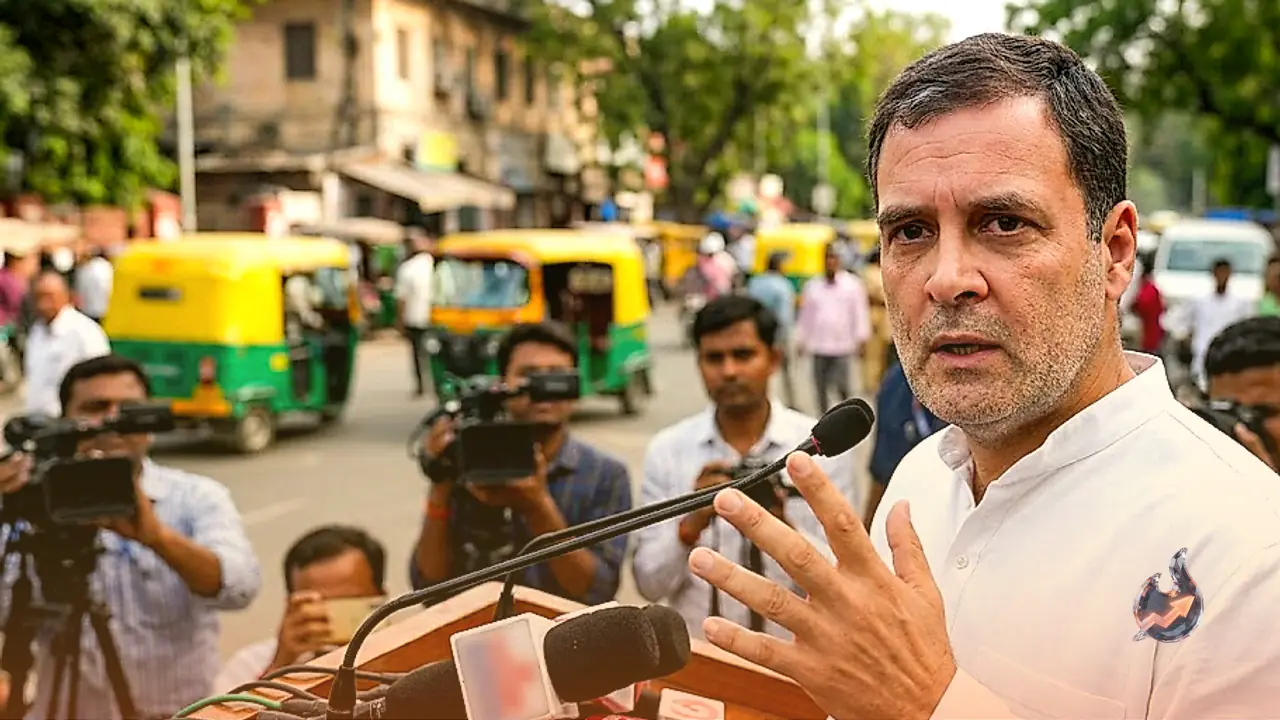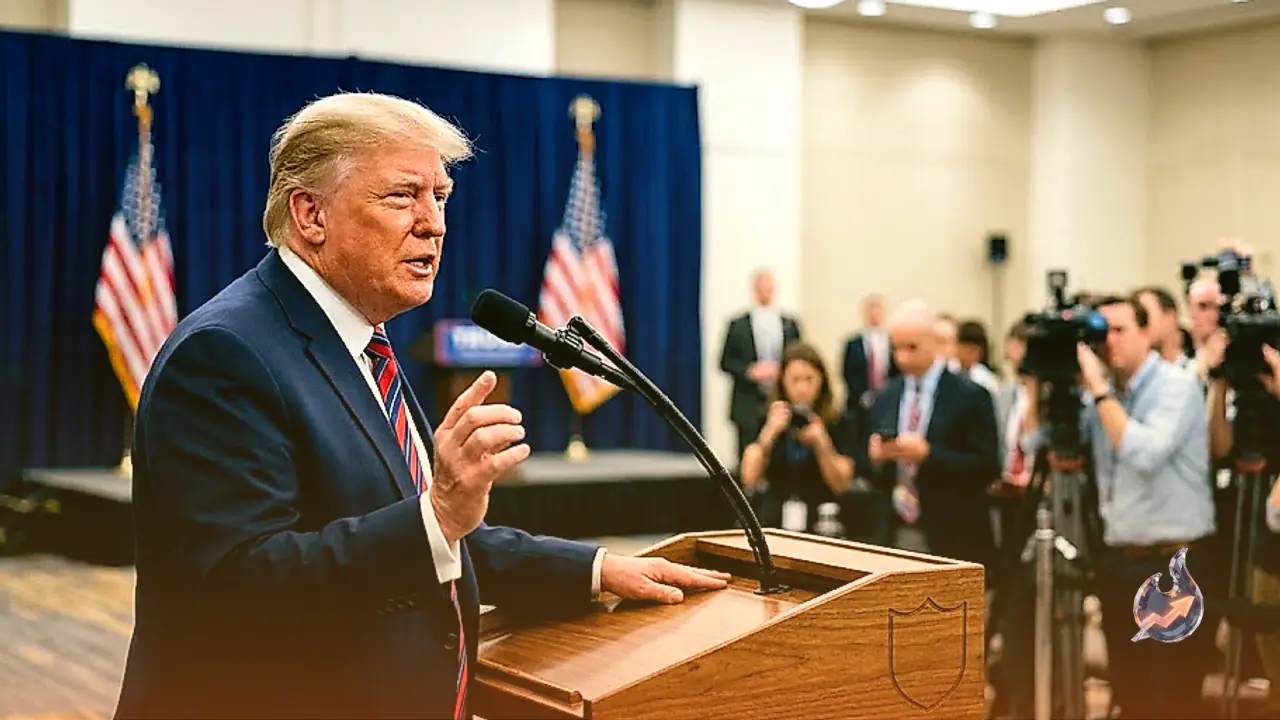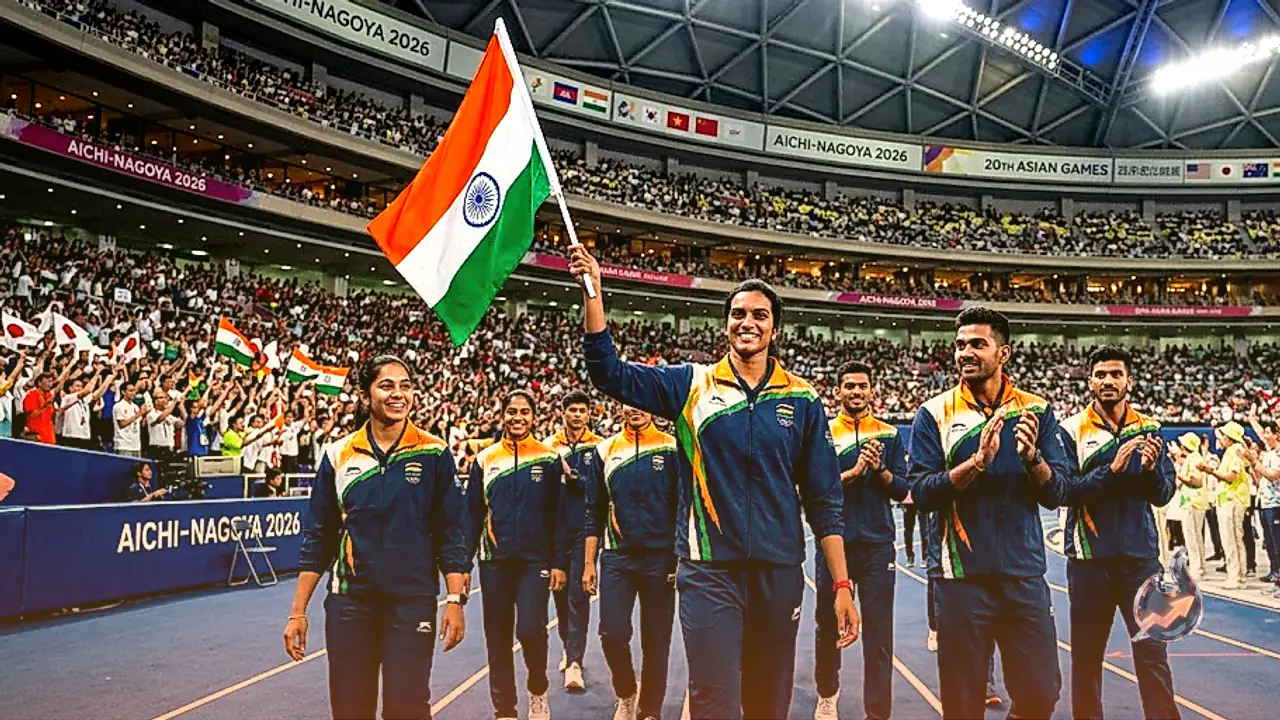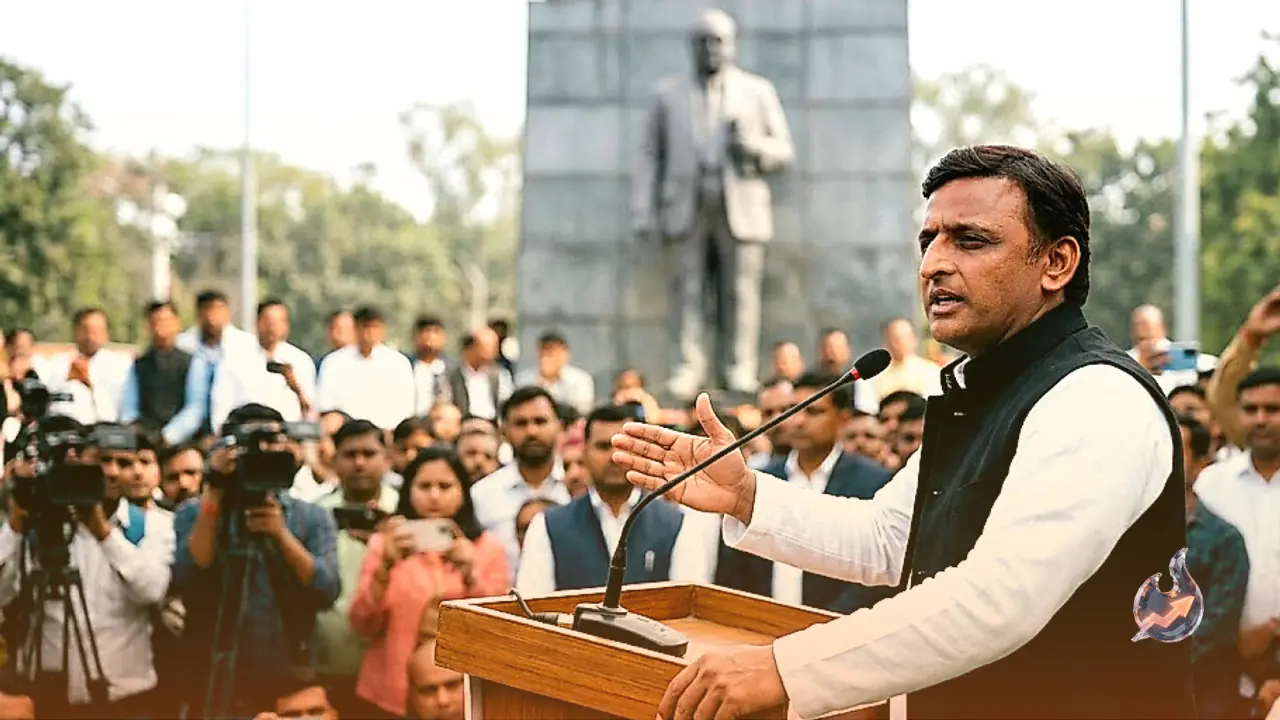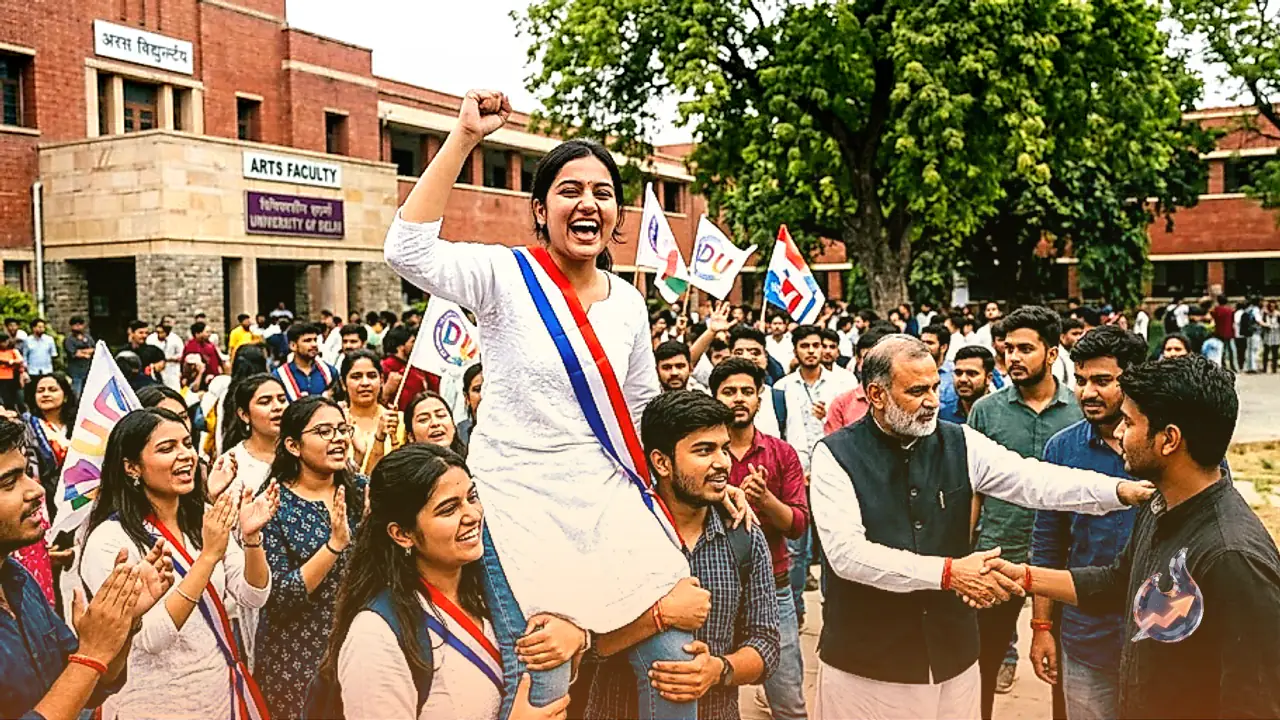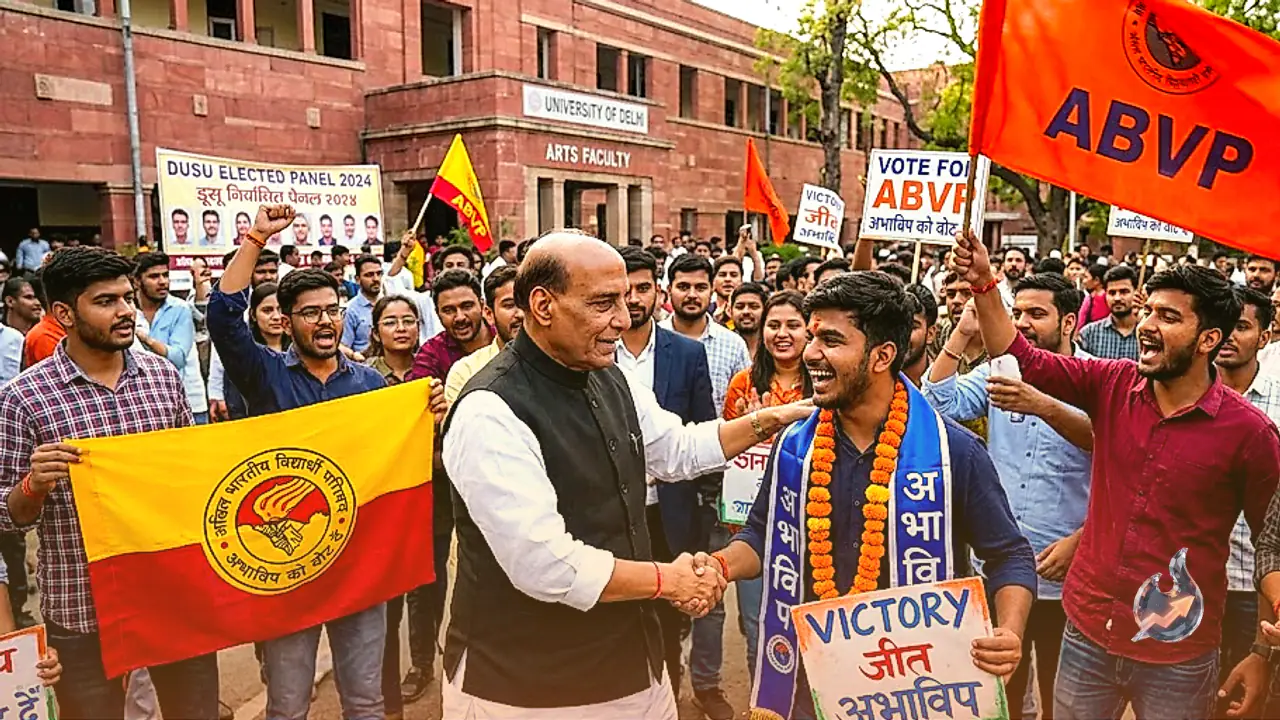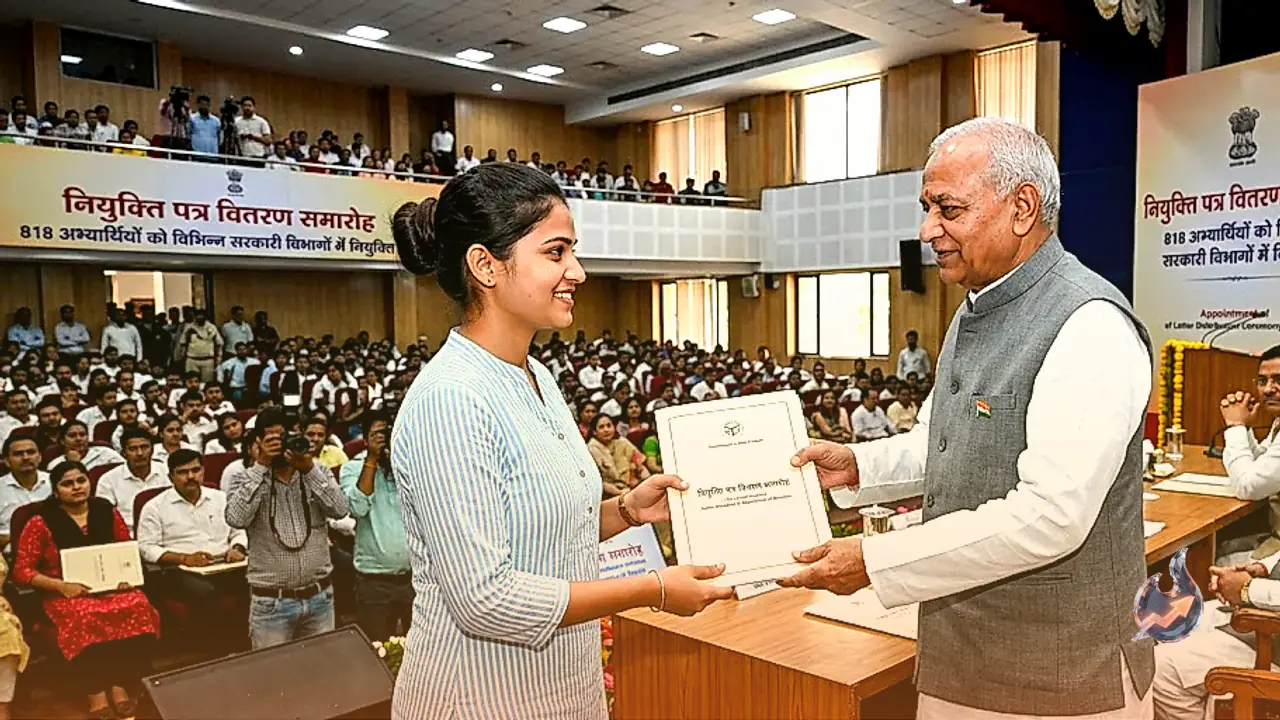


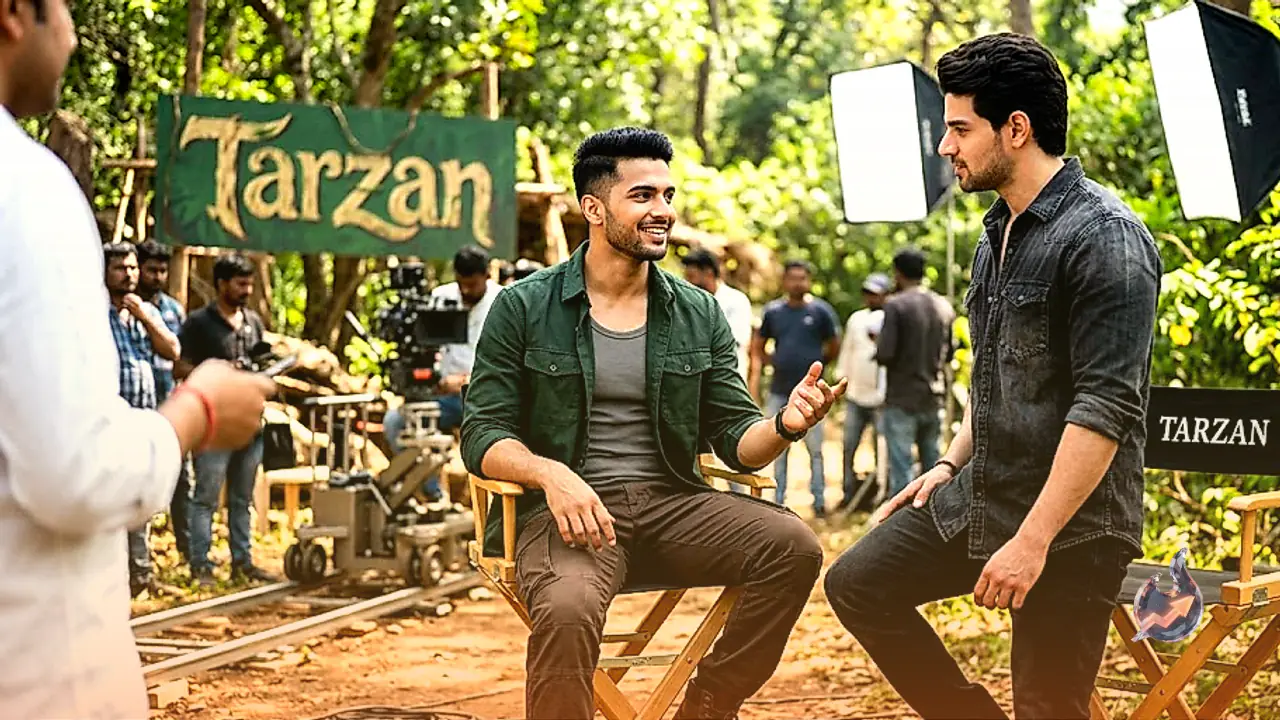
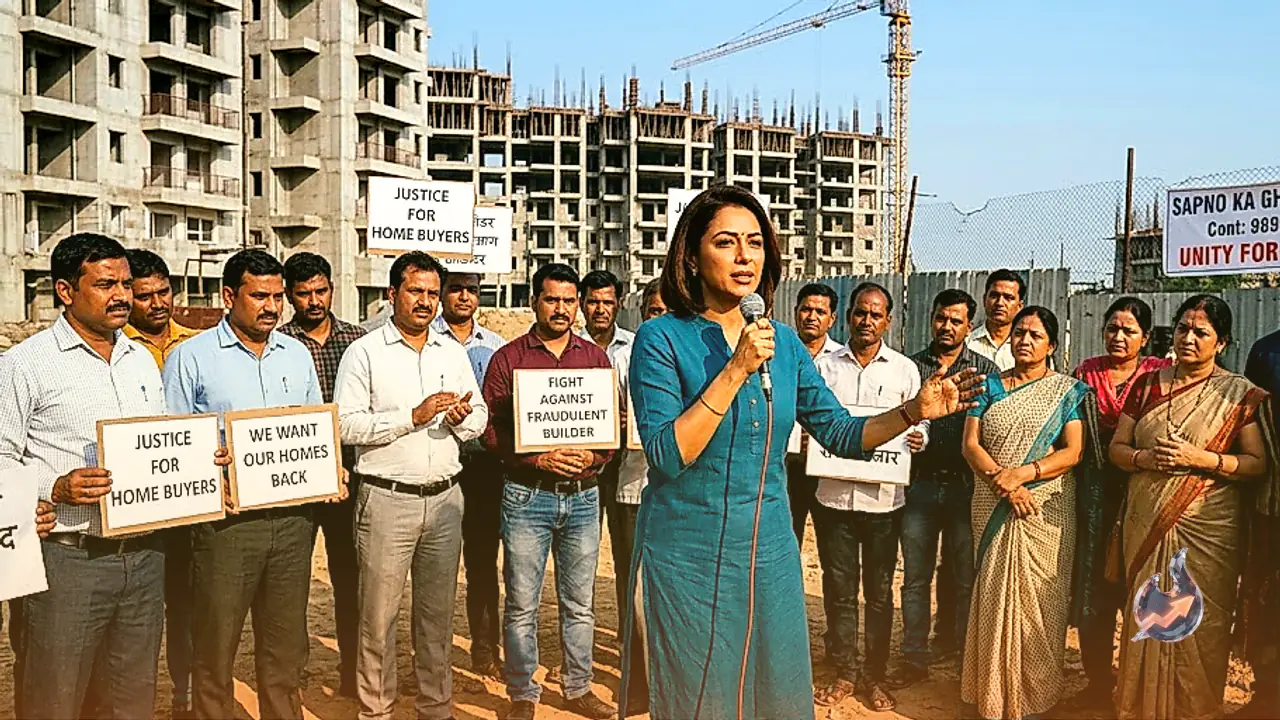
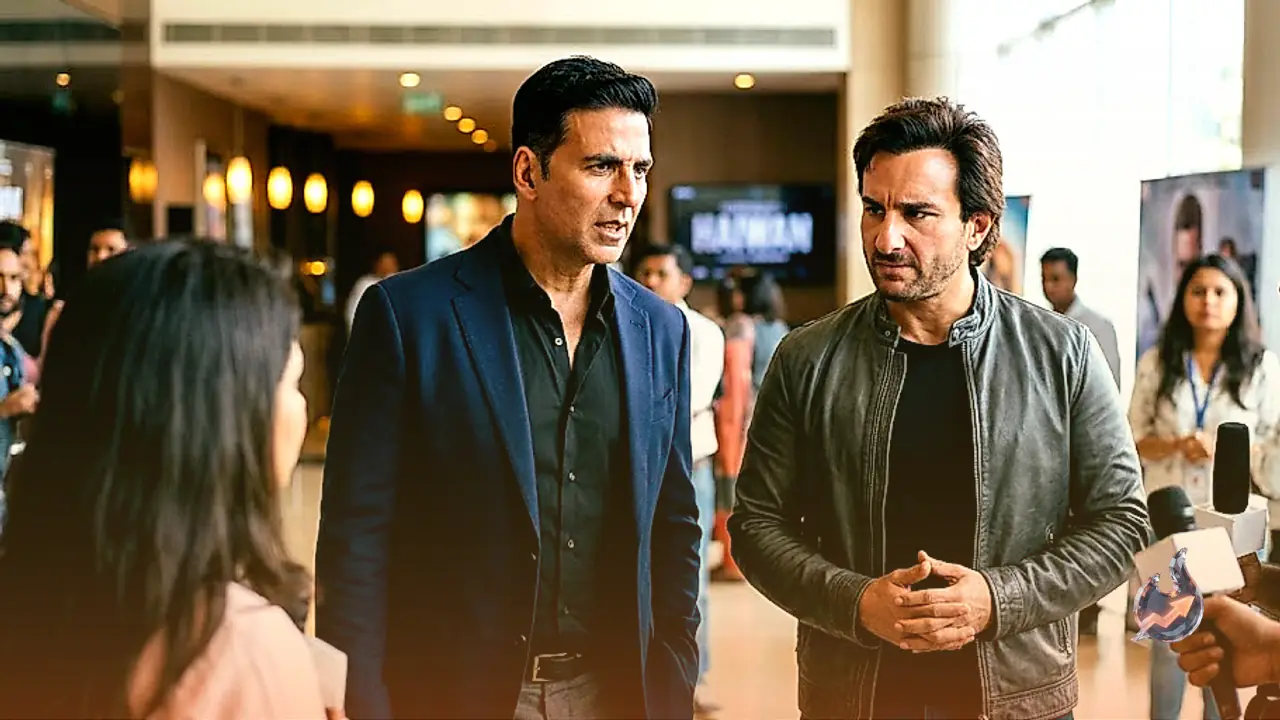

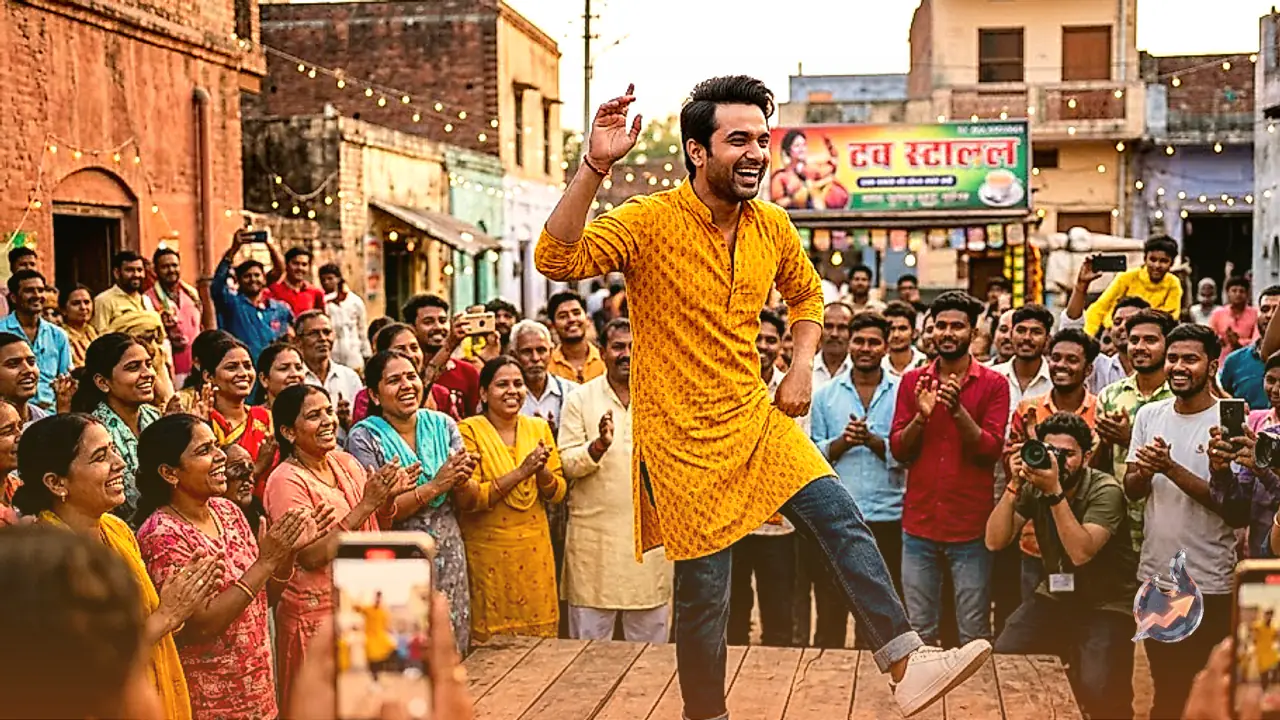














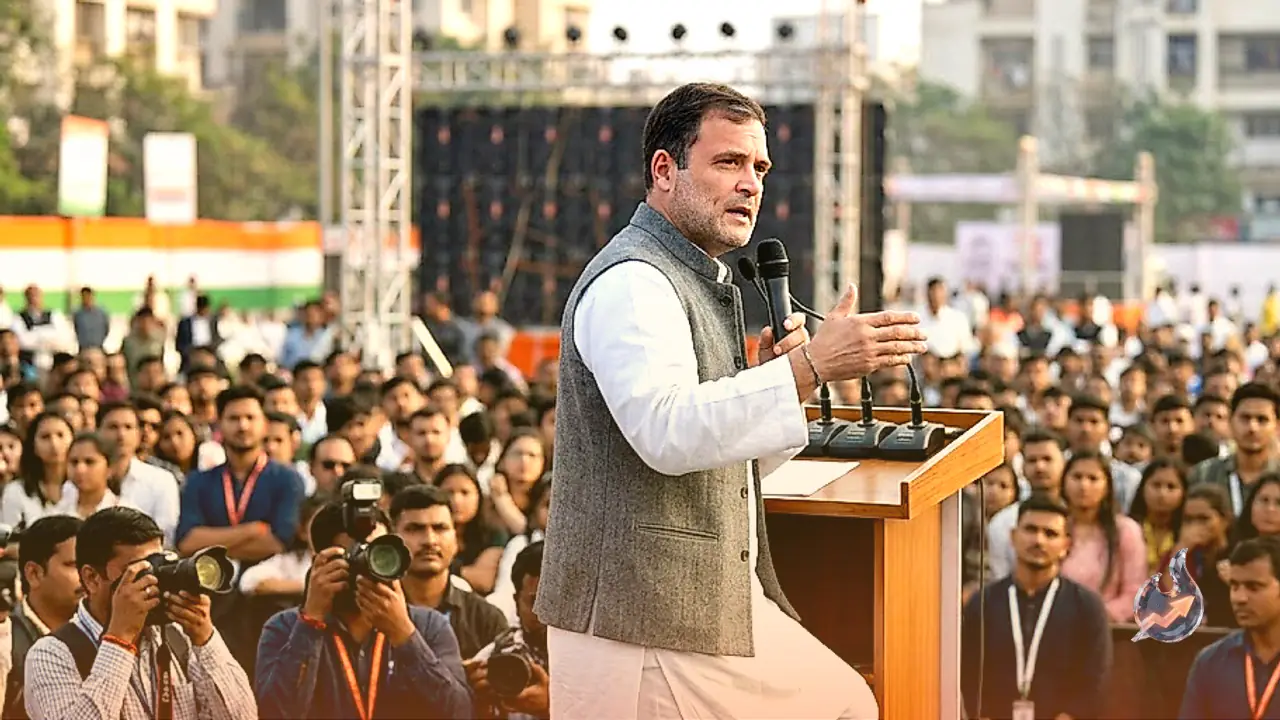

Congress leader Rahul Gandhi has mounted a sharp political attack on the central government over youth empowerment and parliamentary accountability through a recent post on the social media platform X. Highlighting the fearlessness and patriotic spirit of India's younger generation, the opposition leader described them as the true future of the nation while questioning the top central leadership's willingness to face questions in Parliament.
Questions Raised Over Youth Spirit and Parliamentary Presence
In his online message, Rahul Gandhi praised the resolve of the Indian youth, stating, "Look at the future of India, young, fearless, outspoken, patriotic." He immediately followed this praise with a direct critique of the Prime Minister and the Home Minister, asserting that they lack the courage to attend parliamentary sessions and answer pressing queries. This statement comes amid ongoing demands by opposition parties for structured discussions on key national matters inside the legislative house.
Broader Political Debate Around Employment and Youth Opportunities
The discourse surrounding the future of India's youth has remained a central theme in national politics. While government representatives and business leaders, including Vedanta Chairman Anil Agarwal, frequently emphasize the potential of young entrepreneurs and new employment initiatives, opposition leaders highlight concerns regarding educational promises and employment gaps. Recent discussions have focused on government initiatives such as the Pradhan Mantri Vikasit Bharat Rozgar Yojana alongside public demonstrations held at places like Jantar Mantar, reflecting contrasting viewpoints on how youth issues are being addressed.
Importance of Democratic Dialogue and Press Engagement
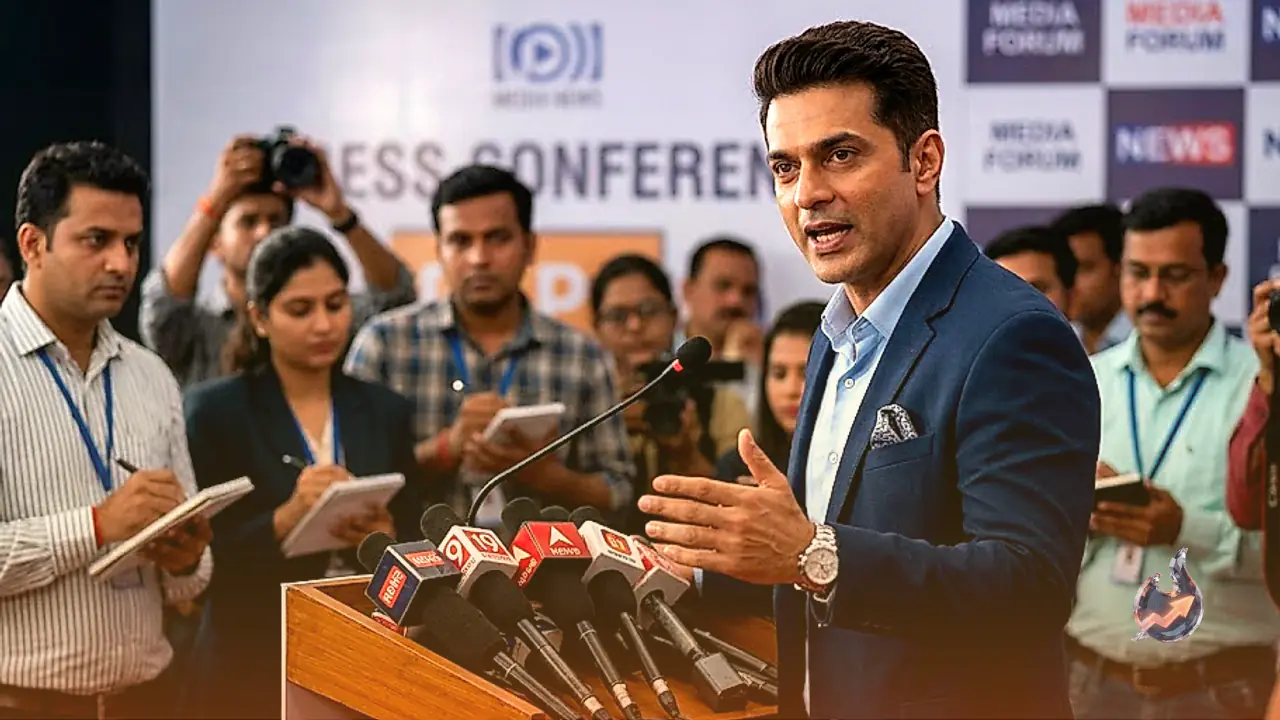
Parliamentary participation and regular public interactions form the backbone of a robust democratic setup. Political observers note that opposition parties frequently utilize social platforms to highlight issues of governance, especially when legislative proceedings experience friction. The core argument focuses on whether elected leaders are sufficiently engaging with public queries, press briefings, and parliamentary debates.
Public Reaction Across Digital Platforms
The post triggered widespread discussion across digital channels shortly after publication. Online respondents expressed diverse opinions regarding the remarks. While a section of users backed the demand for greater parliamentary transparency, regular press conferences, and accountability, others questioned the opposition's political track record and strategy. Overall, the public engagement reflected intense debate over democratic accountability, youth rights, and legislative decorum.