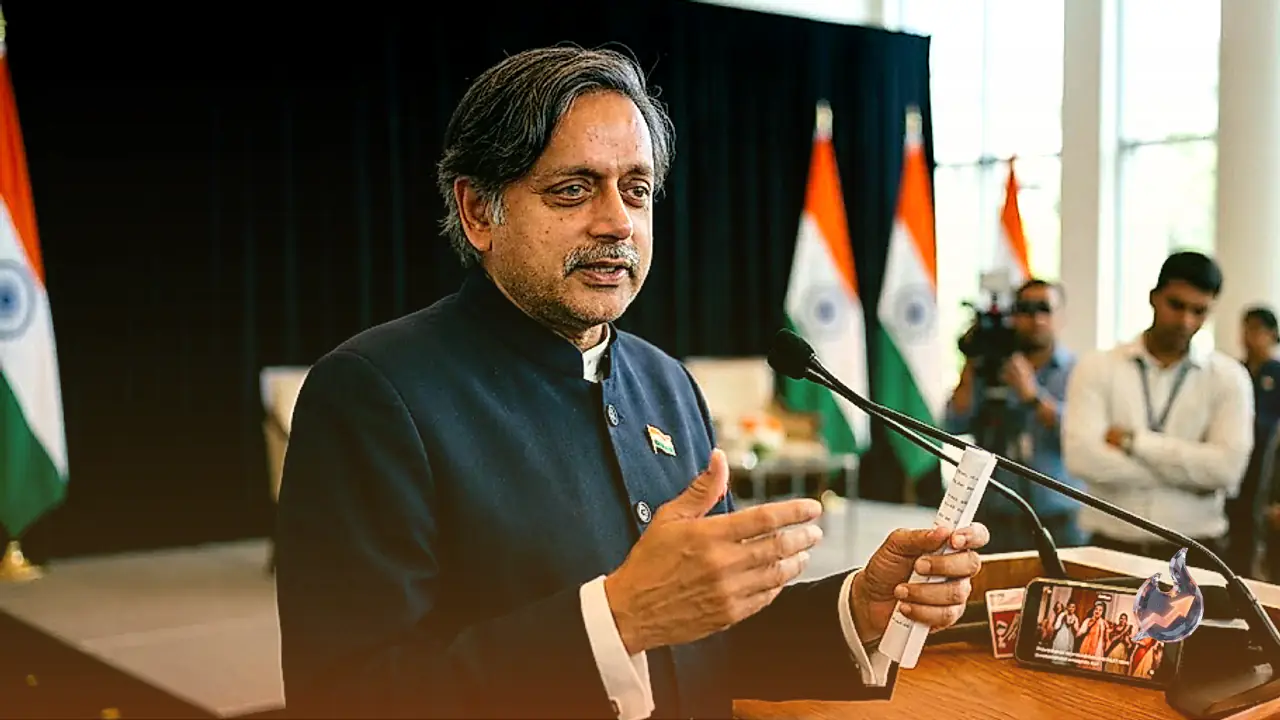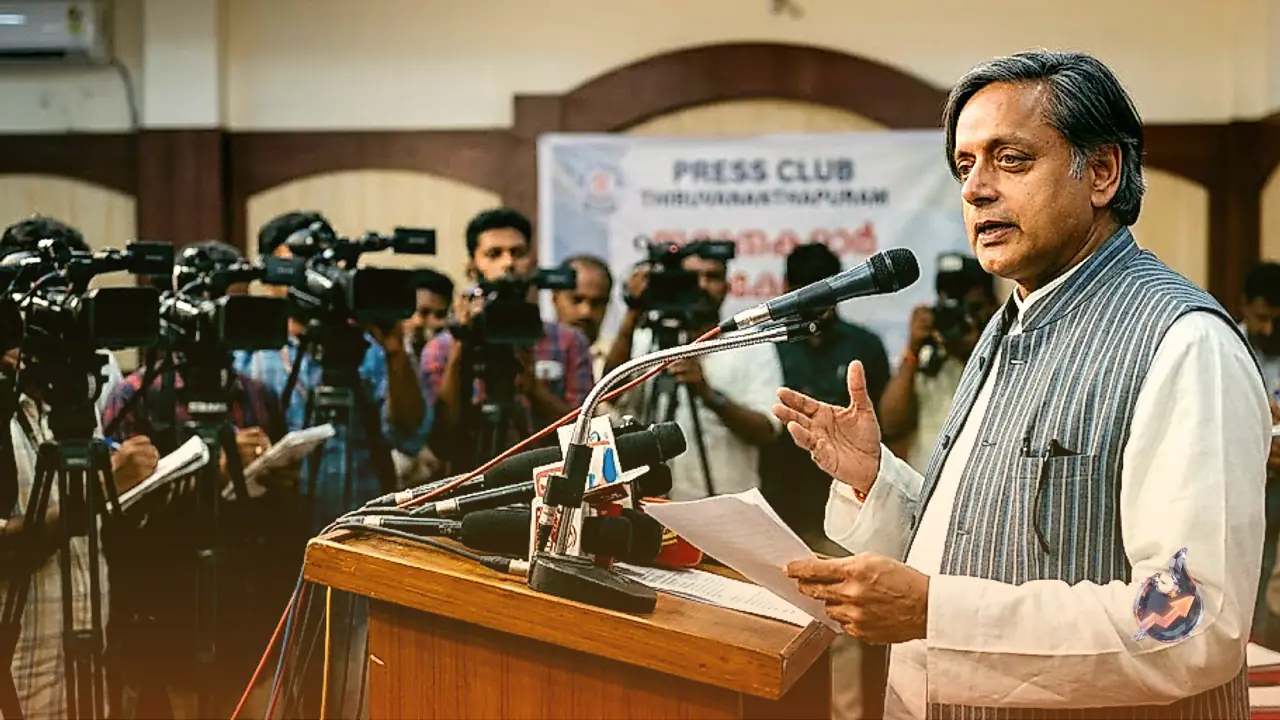





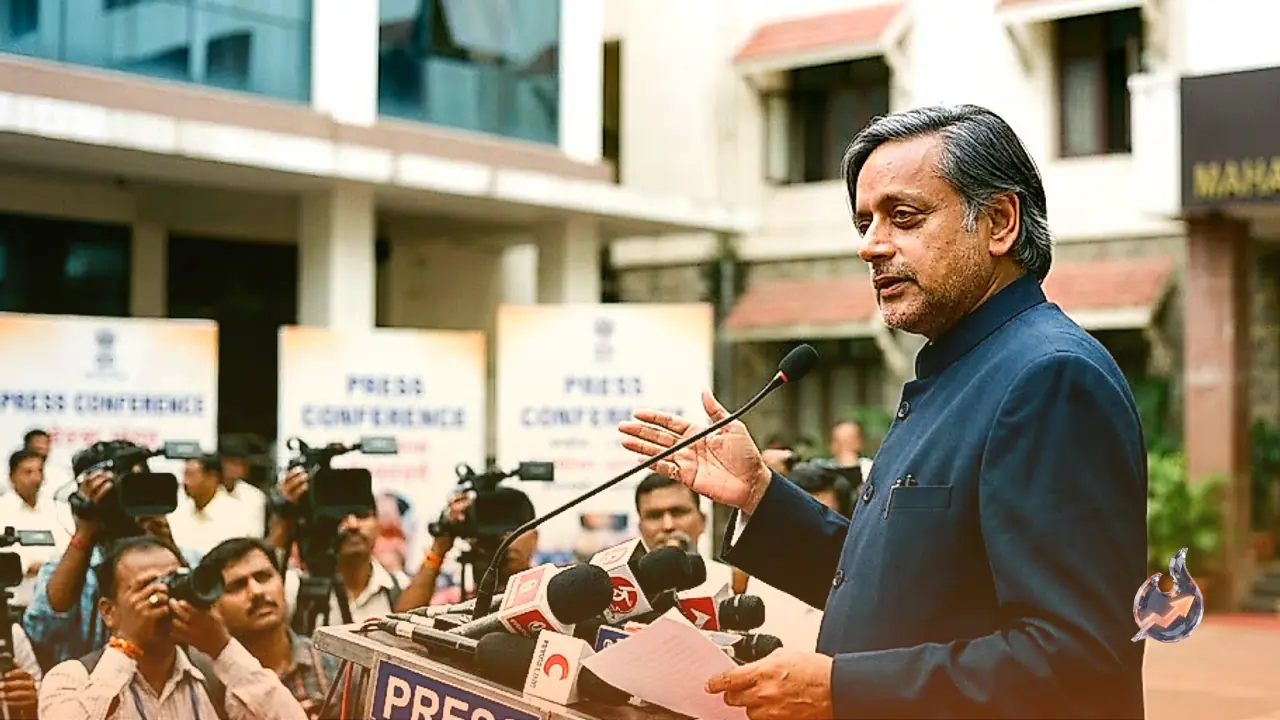















Shashi Tharoor has publicly commented on the Maharashtra administration's decision to institute remedial Marathi language training for taxi and auto-rickshaw drivers, alongside the subsequent deferral of the rule. Sharing an update on the social media platform X, he attached an external web link while reflecting on the rationale behind the language requirement and its sudden postponement.
Mandatory Marathi Classes and Delayed Implementation
The directive required commercial cabbies and auto-rickshaw operators across Maharashtra to participate in structured Marathi language sessions. However, the enforcement of this regulation was temporarily put on hold shortly after its announcement. Addressing the issue on social media, Shashi Tharoor wrote, "As Maharashtra decrees remedial Marathi classes for its cabbies & auto-drivers, I muse on the requirement (and its deferral)." His commentary highlighted the policy shift regarding language guidelines for transport workers.
Administrative Context and Governance Concerns
While the initial order aimed at ensuring smooth communication between public transport drivers and local commuters, the quick deferral raised questions regarding policy planning. The initiative underscored ongoing discussions about whether language training should be made compulsory for frontline service providers in urban transport networks.
Public Reaction
The online post generated significant discussion among social media users with varied perspectives. Several commentators argued that language mandates are often deployed as regional political strategies, suggesting that authorities should instead prioritize civic regulations such as banning gutkha and enforcing penalties for public spitting. Other users referenced language policies in different states, debating the balance between regional language preservation and administrative priorities.