




















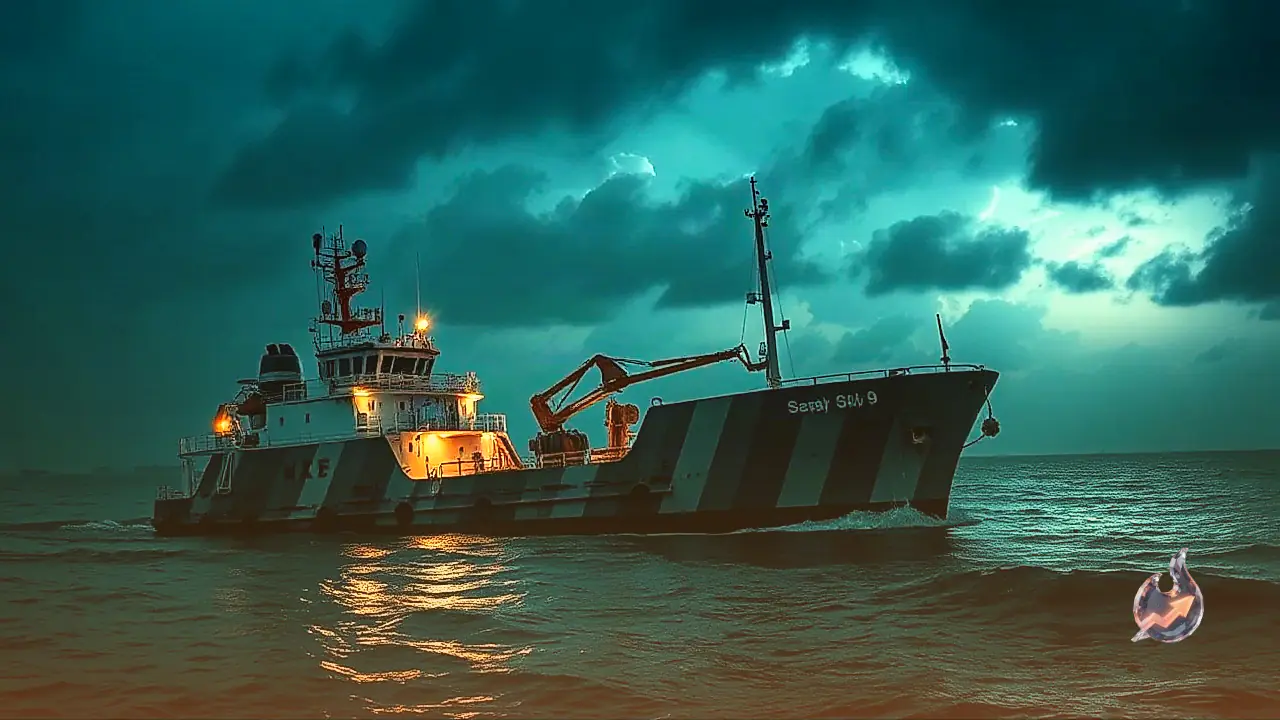

A critical maritime catastrophe was successfully averted off the Odisha coast following a rapid emergency response by the Indian Coast Guard. The Belize-flagged commercial tanker MT Seagull 9, transporting 9,000 metric tonnes of industrial palm oil along with 23 crew members, suffered an engine shutdown that led to rapid flooding and a dangerous tilt in open waters. Swift intervention by maritime emergency teams stabilised the foreign vessel, neutralised structural breaches, and eliminated the threat of capsizing and ecological contamination.
Distress Alert Triggered After Engine Failure
The operational crisis unfolded on September 27 at a location roughly 37 nautical miles east-south-east of Paradip. The vessel was underway when an urgent distress signal was broadcast at around 7:30 am. According to transmissions from the ship, the main propulsion engine abruptly failed, leaving the vessel powerless amid ocean currents. Simultaneously, seawater began rushing uncontrolled into the ballast tanks, severely destabilising the hull and causing the tanker to list heavily to one side, raising immediate fears of a total capsize.
ICGS Vishwast Deployed for Damage Control
Upon receiving the distress call, the Indian Coast Guard directed its patrol vessel ICGS Vishwast to rush toward the coordinates. On arriving at the unstable ship, a specialised damage-control boarding party embarked onto the listing tanker despite hazardous conditions. Technicians quickly deployed submersible de-flooding pumps and high-capacity extraction hardware to remove trapped seawater from the compartments. The inspection team pinpointed three fractured conduits, immediately shutting down two compromised seawater pipelines and securing a third broken line to halt further internal flooding.
Cargo Rebalancing and Marine Pollution Containment
To restore equilibrium to the tilted tanker, personnel initiated an internal cargo redistribution plan while simultaneously draining flooded compartments. Seamless coordination between the salvage specialists and the vessel's 23 mariners gradually righted the ship, eliminating the risk of structural collapse. Given the significant environmental danger posed by 9,000 metric tonnes of cargo, authorities dispatched a dedicated pollution-control vessel alongside an additional offshore patrol ship to form a protective perimeter and monitor local waters.
Aerial Surveillance and Towing to Anchorage
Airborne tracking was launched using a Coast Guard Dornier aircraft operating out of Bhubaneswar to inspect the sea surface for petroleum or oil sheens. While an extremely faint trace of palm oil was spotted in the immediate vicinity on September 27, subsequent aerial sorties on September 28 confirmed that the sheen had completely dissipated without harming the marine ecosystem. Once the vessel was certified seaworthy and balanced, Paradip Port Authority tug Dolphin towed MT Seagull 9 to a designated outer anchorage. Onboard technical teams from ICGS Vishwast remain engaged in assisting with the overhaul of the main engine while maintaining persistent operational monitoring.