
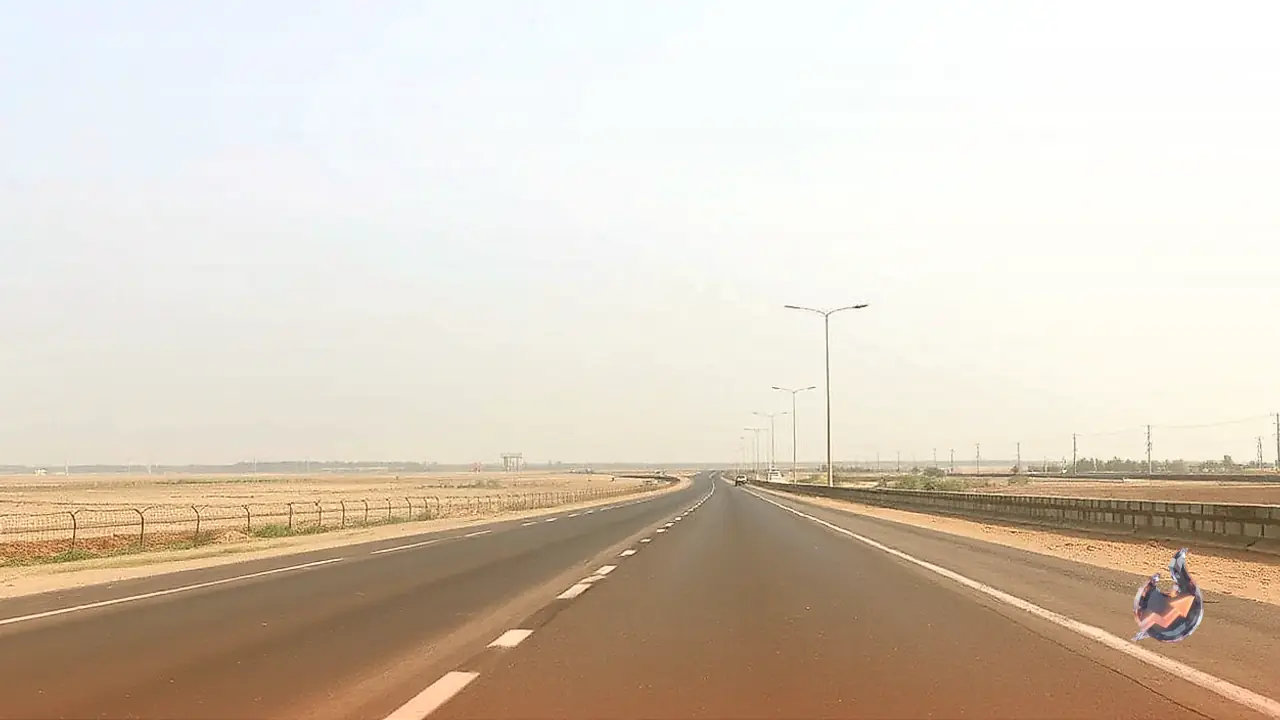

















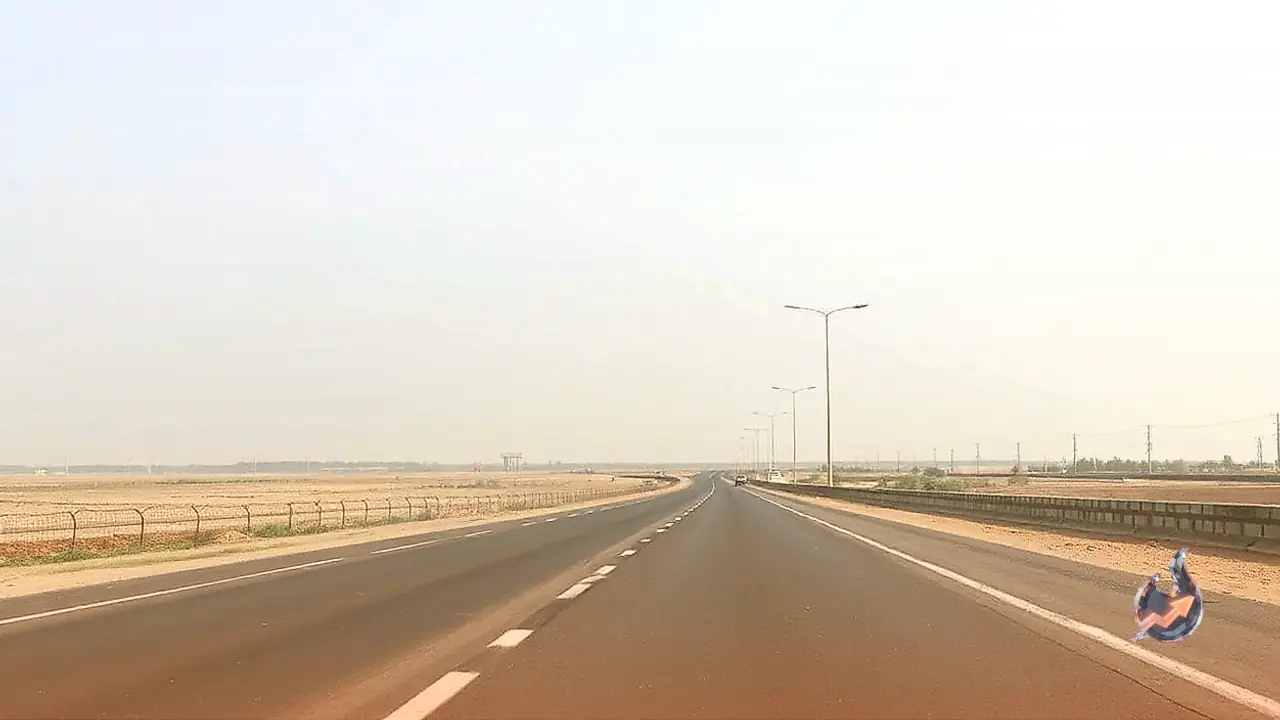

A major infrastructure push along Odisha's coastal belt will establish a high-speed arterial corridor connecting Rameshwar to Paradip Port. Designed to span 160.18 kilometers with an estimated capital outlay of ₹8,301 crore, the highway aims to streamline transit across the districts of Khordha, Puri, Kendrapara, and Jagatsinghpur. The project will simultaneously feed traffic into nearby national highway grids serving the industrial and urban clusters of Bhubaneswar and Cuttack.
Two Construction Packages Across a 160-Kilometer Stretch
Authorities have split the execution of the 160.18-kilometer corridor into two distinct contract packages to ensure timely delivery. The initial package spans 79.40 kilometers and includes a significant 76.84-kilometer greenfield alignment constructed over completely new ground. Capital costs for this opening section stand at roughly ₹5,305 crore.
The second package accounts for the remaining 80.78 kilometers of the highway alignment, carrying an estimated price tag of approximately ₹2,996 crore. Together, the two phases bring the overall capital commitment to ₹8,301 crore. Both construction contracts will incorporate a concession tenure of approximately 17.5 years, encompassing initial road building alongside sustained commercial operation and surface maintenance.
Mixed Lane Configuration and High-Speed Specifications
Engineering plans adjust the highway's physical cross-section according to projected vehicular density across various sectors. The segment extending from Rameshwar to Konark will feature a four-lane dual carriageway to manage commuter traffic and pilgrimage flows. In contrast, the subsequent run between Konark and Paradip is designated as a two-lane highway flanked by paved shoulders.
The entire 160.18-kilometer alignment is engineered for a top vehicular design speed of 100 kilometers per hour. Once operational, the corridor is projected to reduce driving time between Rameshwar and Paradip by nearly two and a half hours. By providing heavy freight trucks with a bypass around congested market towns, the roadway will decrease commercial fleet fuel usage, cut operational wear-and-tear, and lower road hazard frequencies.
Linking Nine Economic Centers with Paradip Maritime Gateways
The layout follows the core objectives of the PM Gati Shakti National Master Plan, prioritizing direct logistics linkages between heavy industrial nodes and deep-water maritime facilities. The corridor directly accesses nine identified economic centers and five logistics hubs distributed across coastal Odisha.
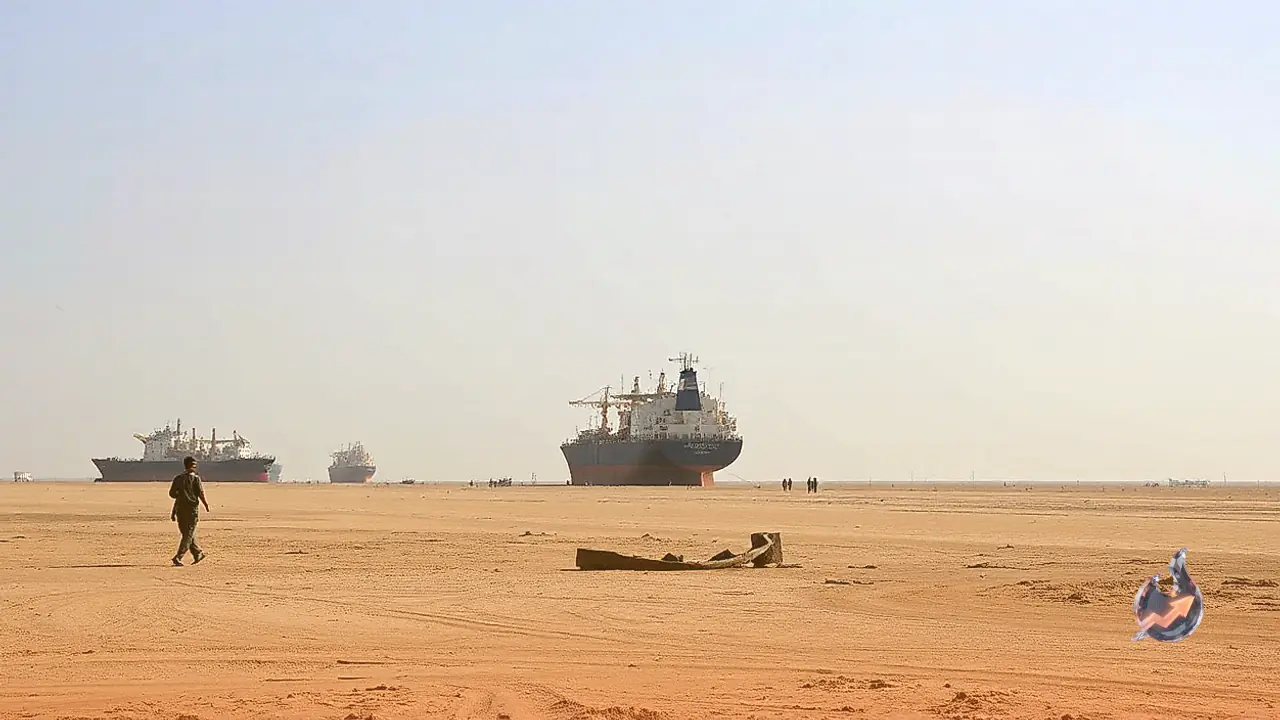
Paradip Port functions as a primary shipping gateway on India's eastern seaboard, processing continuous bulk consignments of coal, iron minerals, finished steel, and agricultural cargo. At present, long-distance freight vehicles encounter persistent bottlenecks caused by local markets and ribbon developments along existing roadways. The new highway will isolate heavy commercial transit from rural settlements, bolstering maritime export timelines while smoothing travel routes for pilgrims and travelers headed toward Puri and the Sun Temple at Konark.
Employment Generation and Rural Economic Stimulus
Civil construction across the two packages is forecast to inject substantial economic activity into surrounding communities. Project projections anticipate the creation of roughly 53.61 lakh direct man-days and 67.01 lakh indirect man-days of labor during the active execution phase.
Following corridor delivery, roadside economies in Khordha, Puri, Kendrapara, and Jagatsinghpur stand to benefit from new warehouse zones, maintenance workshops, transport eateries, and retail outlets. The modern multi-lane infrastructure will also provide coastal settlements with a resilient, high-capacity evacuation route during seasonal cyclonic events in the Bay of Bengal.