


















The year 2026 has brought significant shifts to global geopolitics, redefining alliances and security calculations across the Middle East and South Asia. For Pakistan's military leadership, however, the year has turned into a period of severe strategic calculation errors. General Asim Munir, who began the year with ambitious diplomatic moves, faces the dismantling of his key regional strategies. The decision by Gulf nations to establish their own independent defense architecture has effectively ended Islamabad's push for a led Islamic NATO, exposing the limits of Pakistan's military diplomacy amidst growing internal turmoil.
GCC Establishes Forward Military Command in Kuwait
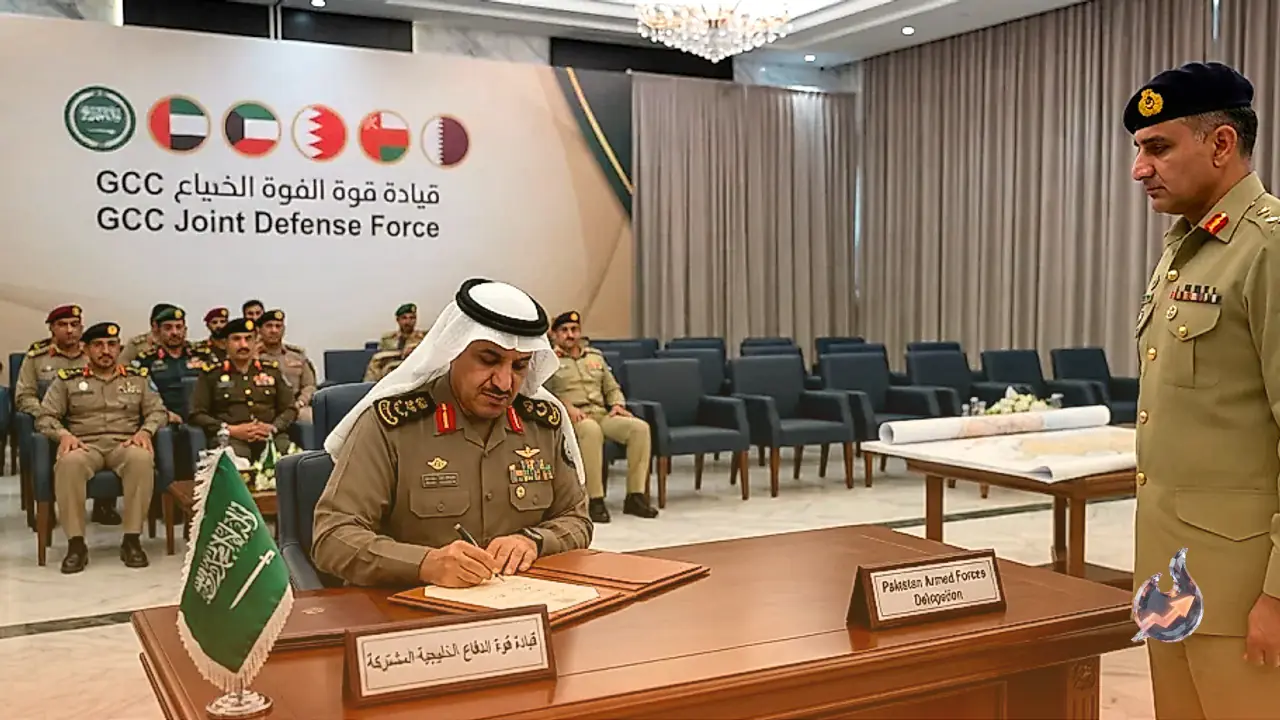
The Gulf Cooperation Council (GCC), comprising Saudi Arabia, the United Arab Emirates, Bahrain, Kuwait, Oman, and Qatar, has initiated a major overhaul of its defense framework. Historically reliant on Washington and the presence of US bases across the region, these countries reassessed their stance following recent regional escalations with Iran. Rather than providing absolute protection, foreign military installations left Gulf infrastructure exposed to retaliatory strikes and threatened vital shipping lanes in the Strait of Hormuz. In response, GCC states have committed to forming a unified forward military command center headquartered in Kuwait, operating on a collective defense principle akin to NATO.
The Breakdown of the Proposed 'Islamic NATO'
For several years, Pakistani strategic planners promoted the concept of a joint security alliance alongside Saudi Arabia and Turkey. Under an existing bilateral defense understanding, an attack on either nation was to be treated as an assault on both. Asim Munir had framed this arrangement as the foundation for a broader Islamic security bloc. However, when Houthi strikes targeted key infrastructure linked to Crown Prince Mohammed bin Salman's Vision 2030, Pakistan failed to deploy operational support as anticipated by Riyadh. With Turkey also maintaining a cautious distance, Saudi decision-makers concluded that an independent Gulf military command was far more reliable than external arrangements.
Failure of Diplomatic Mediation Between Washington and Tehran
General Munir had also sought to position Pakistan as a vital diplomatic bridge between the United States and Iran. Following military friction involving US positions and Iranian responses, Islamabad attempted to step in as a negotiator. However, Tehran declined to utilize Pakistan as a channel for communication with Washington, while American officials proceeded independently. This double rejection stripped Pakistan of its intended role as a regional mediator, leaving its diplomatic leverage severely diminished in both Western and Gulf capitals.
Economic Strain and Strained Relations with Gulf Allies
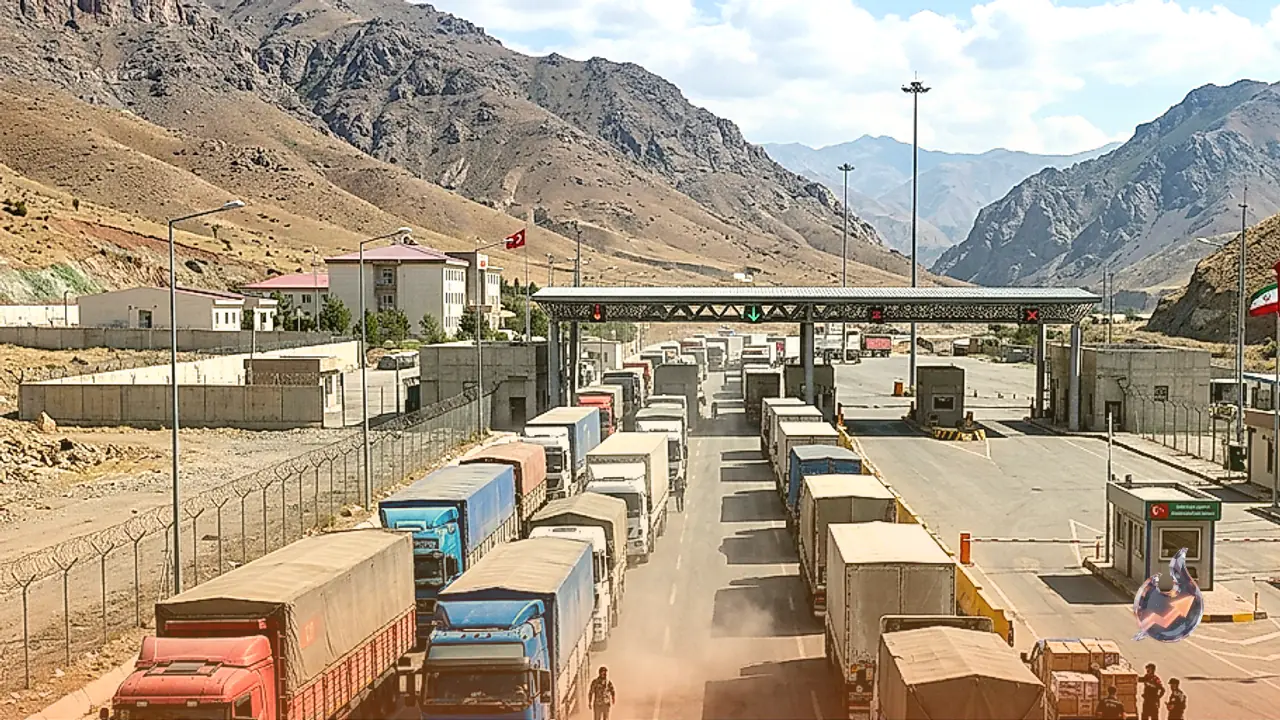
Pakistan's ongoing economic fragility has kept it deeply dependent on financial cushions provided by Gulf states. Early in the year, the United Arab Emirates requested the return of previously extended financial loans, highlighting growing impatience with Islamabad. While temporary relief from Saudi Arabia temporarily deferred a liquidity crisis, the military's inability to deliver on security expectations has altered Riyadh's long-term commitments. Without the strategic security umbrella Pakistan promised, Gulf partners have grown increasingly reluctant to offer unconditional financial support.
US Congressional Scrutiny Over Trump Family Business Deals
Much of Asim Munir's international strategy relied heavily on cultivating ties with Donald Trump and his inner circle. Following recent shifts in the US political landscape and legislative elections, congressional committees have launched formal investigations into international business arrangements tied to the Trump family. These inquiries extend to commercial deals facilitated within Pakistan during Munir's tenure. The heightened scrutiny in Washington has further complicated Islamabad's standing with US lawmakers and diminished expected political dividends.
Widespread Domestic Unrest Across Pakistan's Provinces
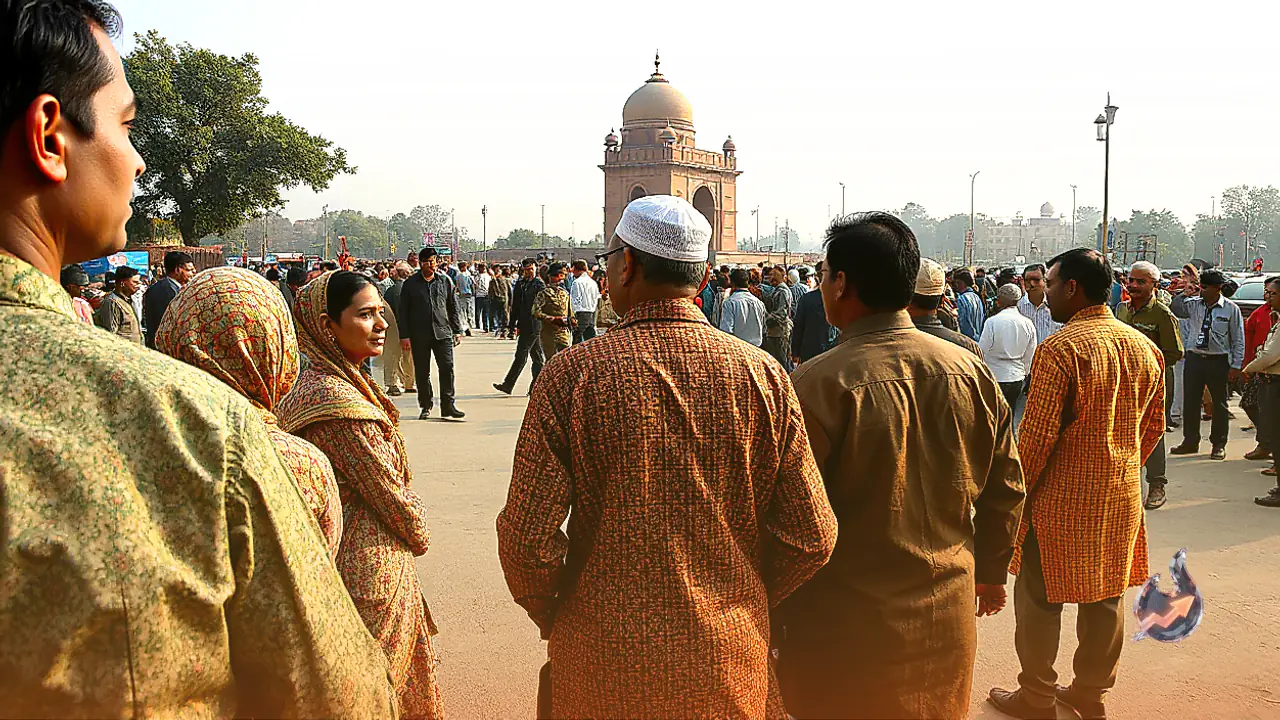
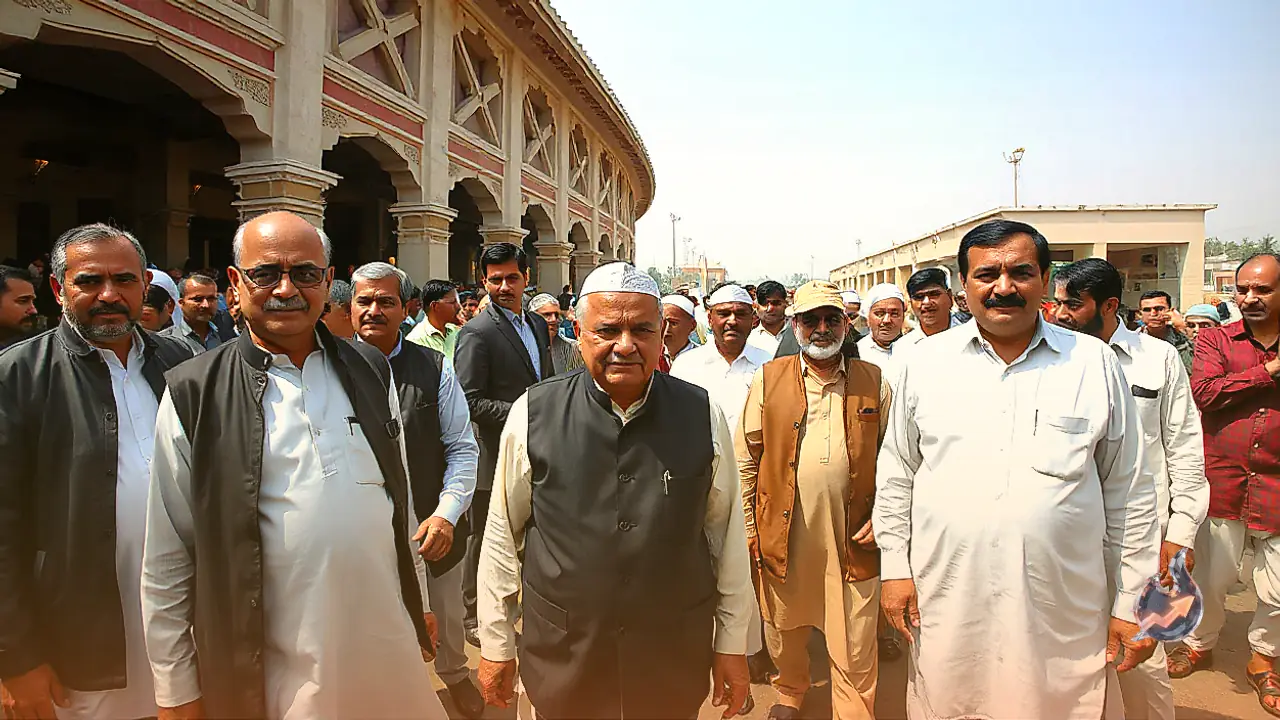
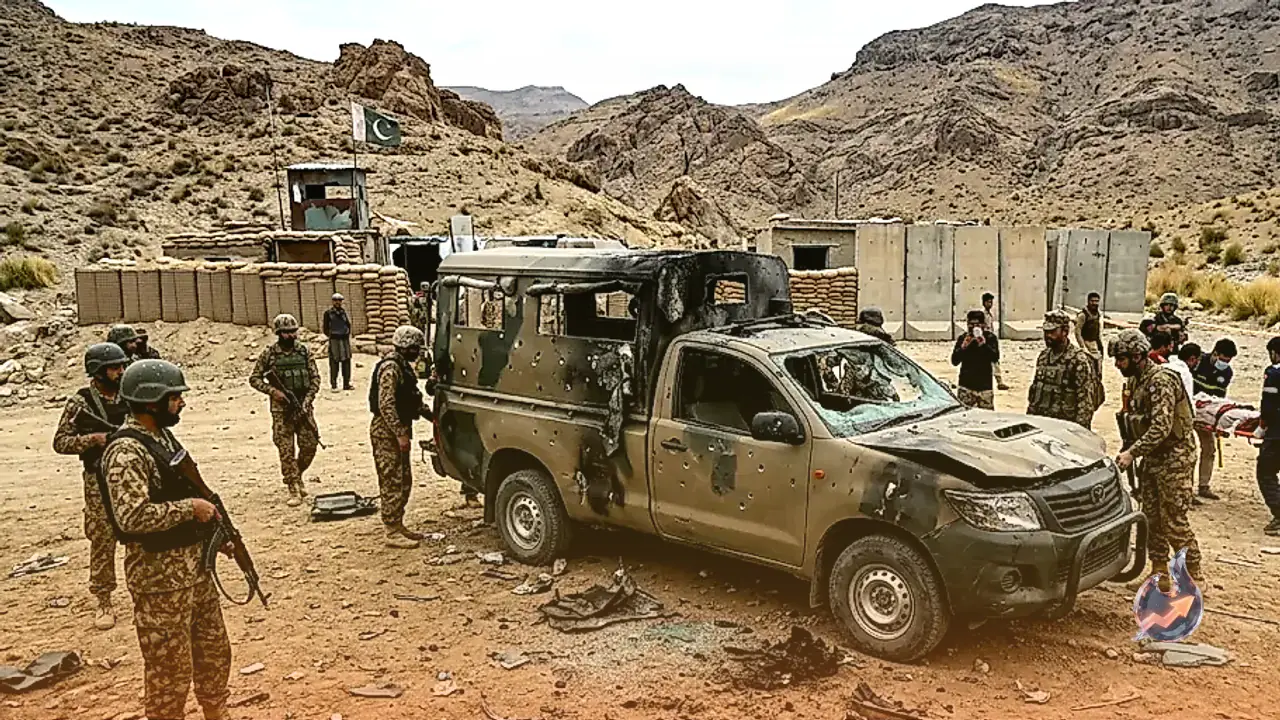
Beyond external diplomatic failures, Pakistan's domestic stability has deteriorated rapidly. Protests in POK over civil rights and governance have drawn widespread attention. In Khyber Pakhtunkhwa, the removal of the provincial government led by Imran Khan's party and the imposition of emergency measures sparked widespread public opposition. Concurrently, long-standing security challenges in Balochistan remain unresolved, while Sindh province has witnessed intense pushback against proposed administrative redrawing of provincial boundaries by the military leadership.
Diminishing Credibility of the Military High Command
Despite bestowing upon himself the rank of Field Marshal and securing high honors, General Asim Munir faces unprecedented public criticism at home. Public dissatisfaction with military intervention in political and administrative matters has spilled into the streets. Slogans previously restricted to opposition rallies are now voiced across major regions, reflecting a profound loss of institutional authority. As 2026 draws to a close, Pakistan's military establishment finds itself isolated internationally and challenged domestically.